
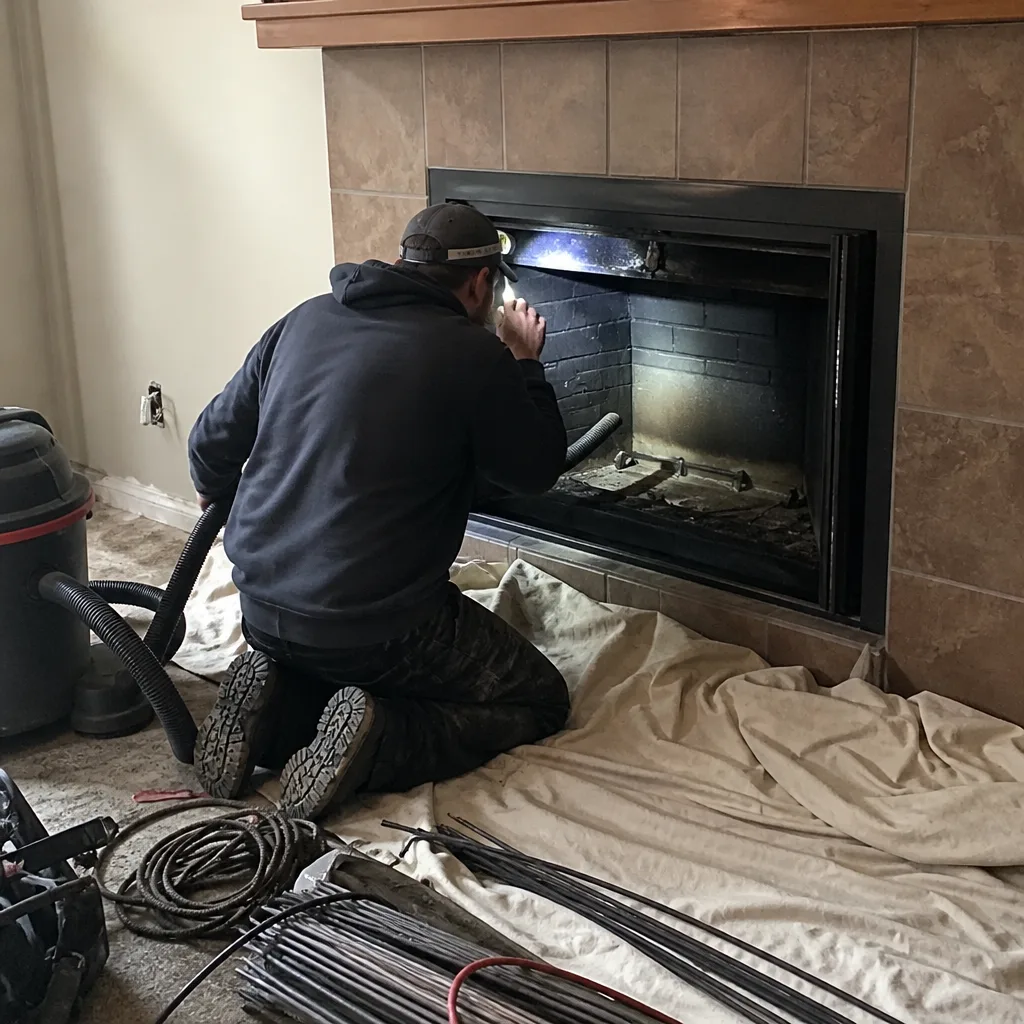
Last updated November 23, 2026
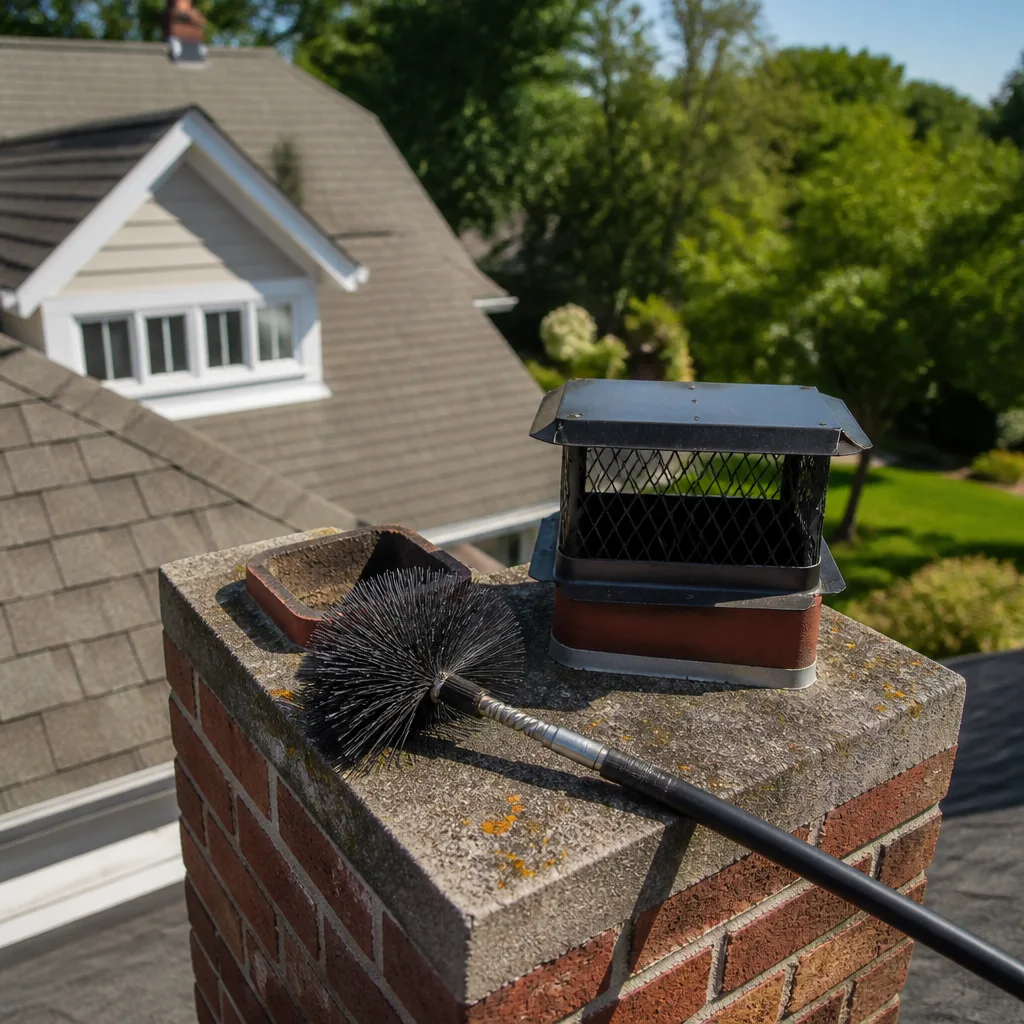 Sweep & inspection
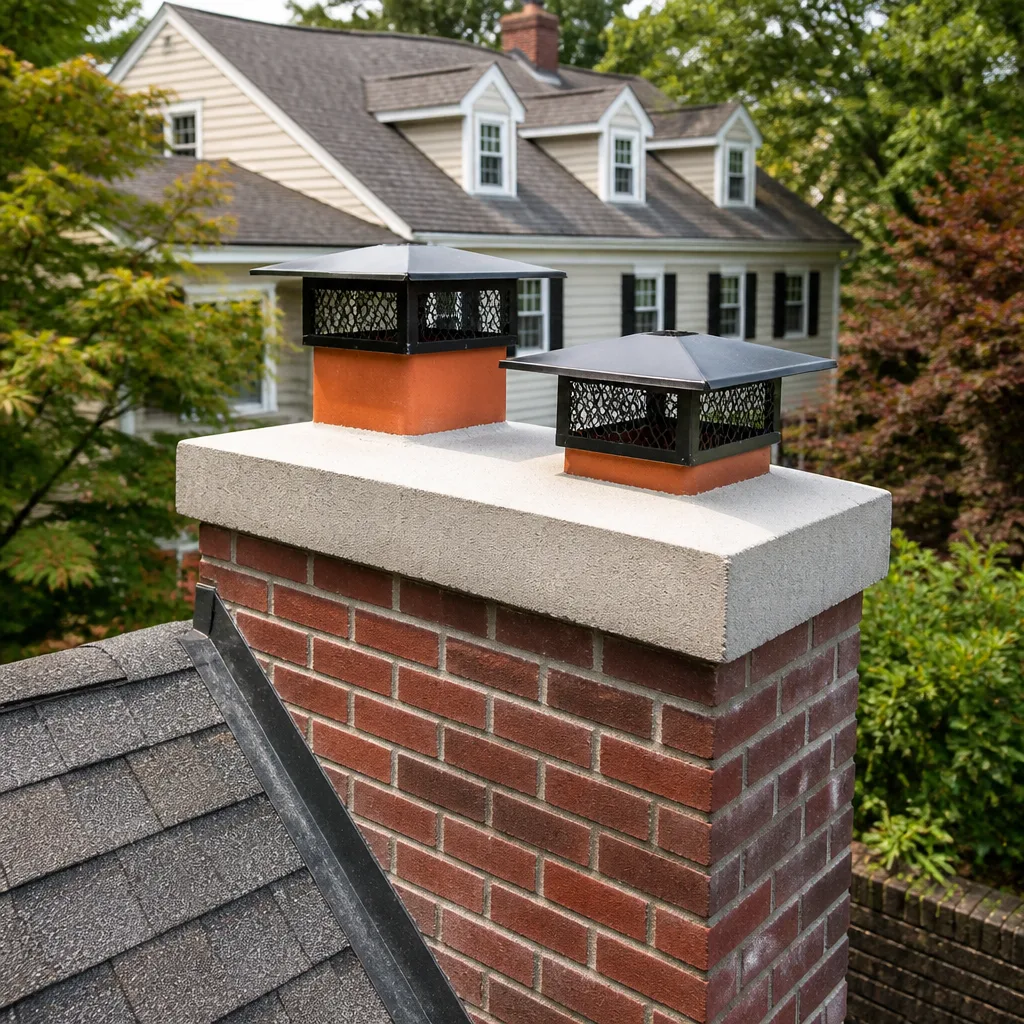 Caps & crowns
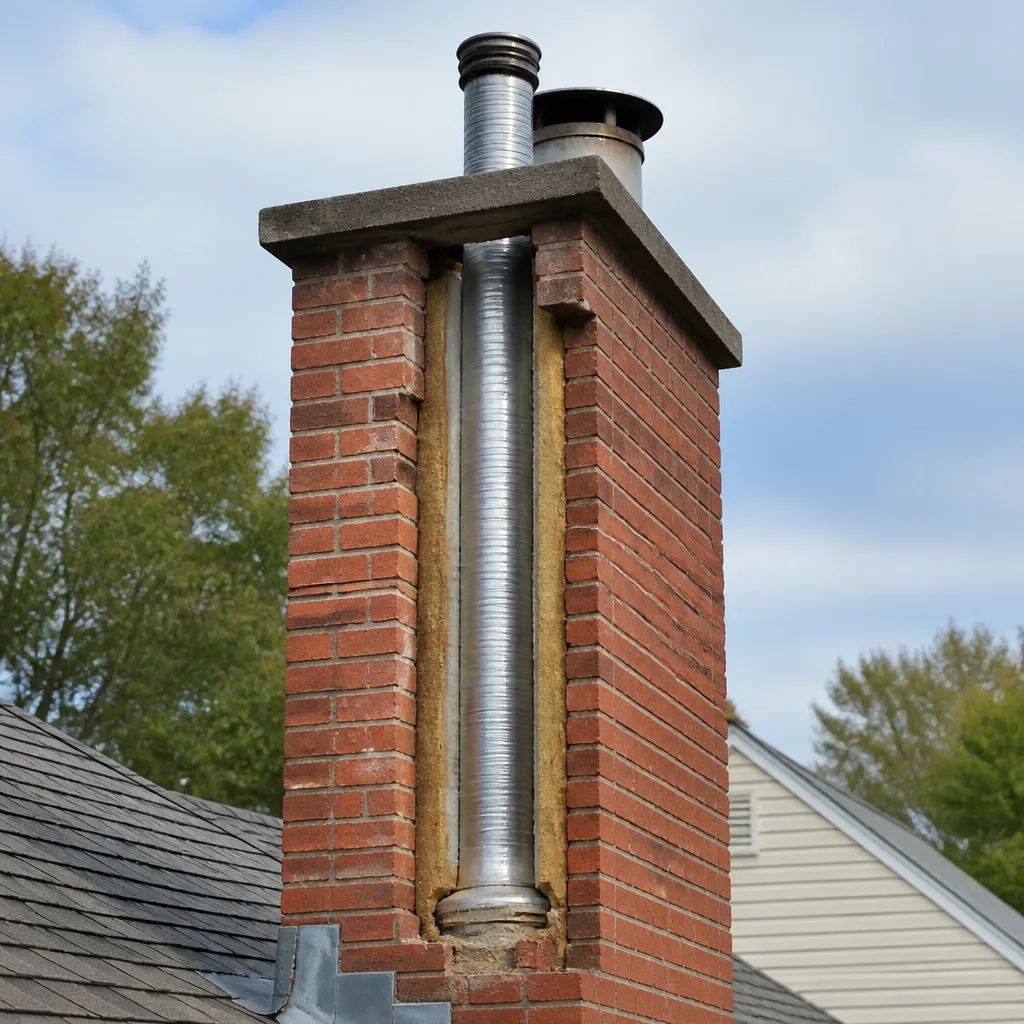 Flue relining
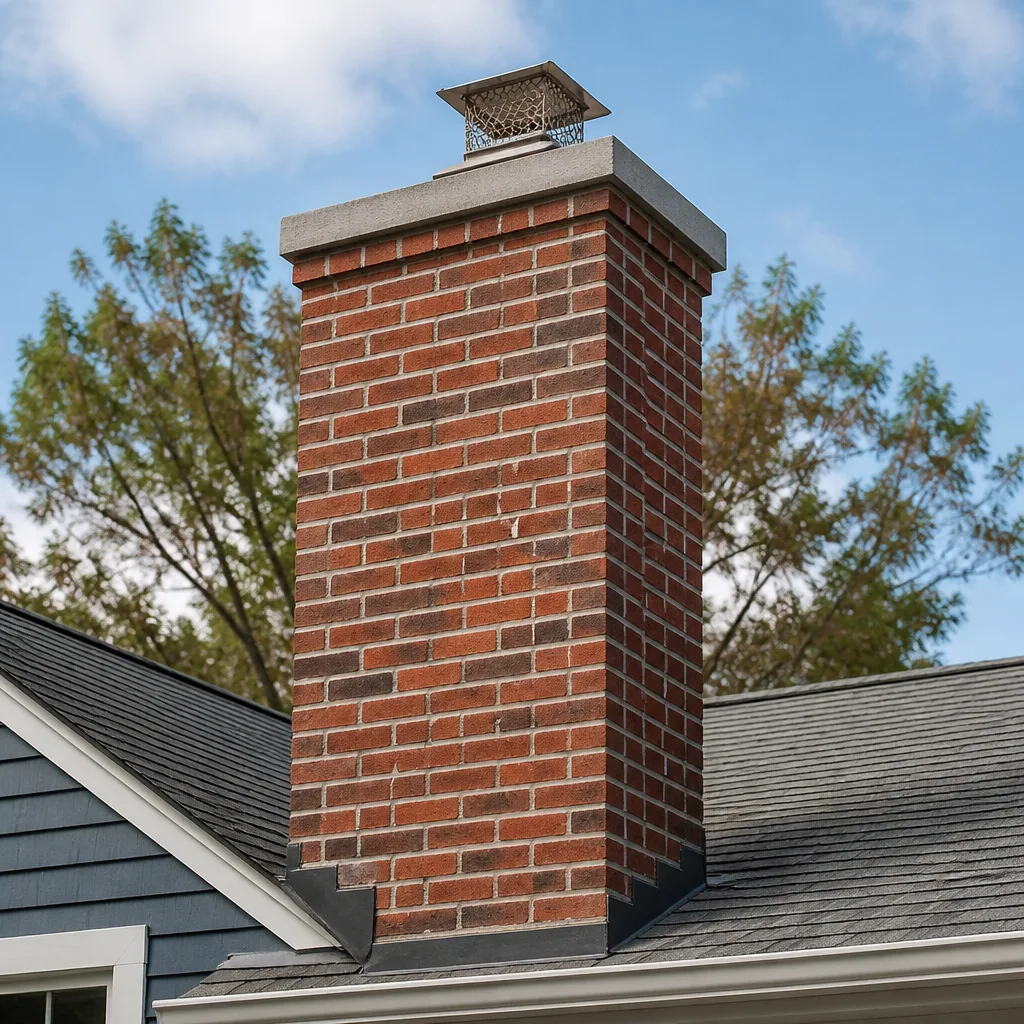 Masonry repair
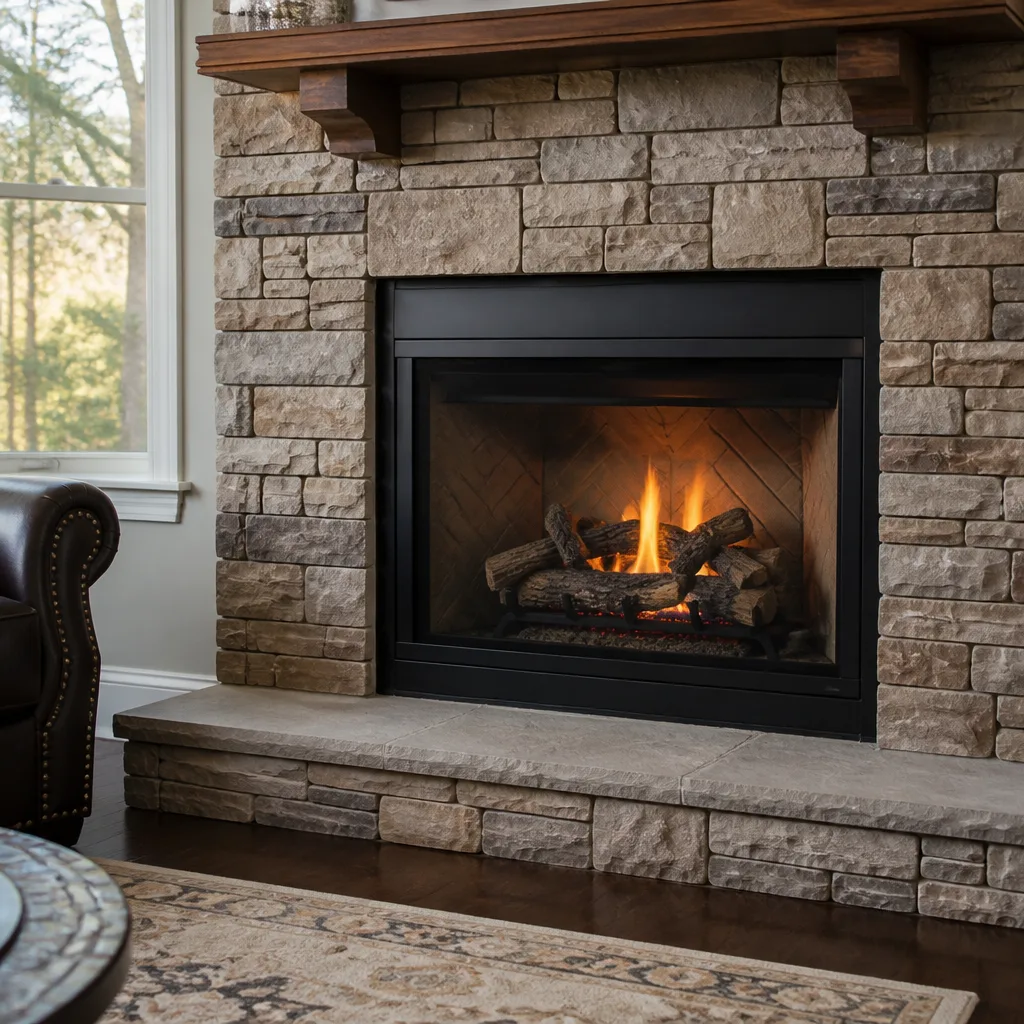 Gas fireplace service
Level 1 sweep and inspection to the NFPA 211 annual standard - flue, crown, cap, and flashing checked and photographed
Chimney sweep logs do not sweep chimneys. They loosen some creosote - which then falls where a brush and vacuum still have to collect it.
The Complete Guide to Chimney Cleaning in Lakewood
Most chimney fires don’t announce themselves. They start inside a thin, glazed layer of creosote that builds up quietly on the flue walls, and the layer only needs to reach about 1/8 inch before NFPA 211 – the national standard for chimneys – says it has to come off. That’s a measurement few homeowners have ever heard of, which is exactly why so many flues sit overdue without anyone realizing it. In Lakewood, the picture is a little more complicated than in most cities: Front Range altitude changes how wood burns, the housing stock is older, and the local mix of pine, fir, and aspen leaves behind different deposits than you’d find at sea level. This guide walks through every stage of a proper cleaning, from the first flue assessment to the post-sweep sign-off, so you know what a thorough job looks like before anyone knocks on your door.
Quick Answer
Chimney cleaning in Lakewood means sweeping the flue to remove creosote and soot, then inspecting the full system – firebox, damper, flue, cap, and crown – to confirm it’s safe to burn again. A thorough job starts with an assessment of the flue condition, follows a defined brush sequence matched to the creosote stage, and ends with a report you can actually read. At Lakewood’s elevation, creosote tends to accumulate faster than many homeowners expect, so annual service is the norm rather than the exception.
Styles & brands we work with
- Sweep & inspection
- Caps & crowns
- Flue relining
- Masonry repair
- Gas fireplace service
Table of Contents
- Why Chimney Cleaning Matters More in Lakewood
- The Three Creosote Stages (And What Removes Each)
- Level 1 vs. Level 2 Inspections: What Actually Happens
- Why Older Lakewood Homes Have Flue Problems
- The Correct Sequence a Professional Sweep Follows
- What to Expect During a Chimney Cleaning Visit
- How Often Should You Schedule a Cleaning?
- Common Mistakes to Avoid
Why Chimney Cleaning Matters More in Lakewood
Lakewood sits at roughly 5,400 feet above sea level, and that elevation changes how a fire behaves. Air is thinner here, so combustion is less efficient. A fire that burns cleanly at 1,000 feet may smolder more at 5,400 – and smoldering fires produce more creosote than hot ones. The wood you’re likely burning along the Front Range, mostly pine, fir, and aspen, also carries more moisture and resin than the dense hardwoods common in other parts of the country. Combine those two factors and you get faster buildup, which is why our technicians advise Lakewood homeowners to treat annual cleaning as a baseline rather than an optional upgrade.
The local climate adds another layer. Lakewood’s cold, dry winters mean the fireplace runs hard from October through March, and the temperature swings through spring and fall cause the masonry to expand and contract. That movement can open hairline cracks in the crown or flue joints that let moisture in and combustion gases out. A cleaning visit always includes a check of those areas, because a swept flue attached to a compromised chimney is only half the job.
We inspect first, then recommend. If everything is sound, the recommendation is simply a sweep and a written report. If we find a crack, a failed seal, or a deteriorating crown, you see the evidence before anything else is discussed. Our technicians have up to 11 years of experience working on Front Range chimneys, so they know where to look.
The Three Creosote Stages (And What Removes Each)
Creosote isn’t a single substance. It builds in stages, and each stage calls for a different removal method. Knowing which stage you’re dealing with explains why a quick pass with a brush isn’t always enough.
- Stage 1: Soot and flaky creosote. This is the light, powdery, or flaky deposit left after a season of burning. It brushes off cleanly with a standard flue brush. Stage 1 is what most well-maintained chimneys show during an annual sweep.
- Stage 2: Glazed creosote. When the flue runs too cool or the fire smolders, the deposits harden into a shiny, tar-like layer. A brush alone won’t remove it. Stage 2 usually requires a chemical treatment to soften the glaze before mechanical removal, or it can be addressed with a HeatShield resurfacing application if the liner is otherwise sound.
- Stage 3: Hard, puffy glaze. This is the heavily glazed, popcorn-textured deposit that signals a real fire hazard. Stage 3 often points to a deeper problem – poor draft, an oversized or undersized flue, or a heavily used insert – and usually requires chemical treatment followed by mechanical removal, or in some cases a liner restoration.
In Lakewood, Stage 2 creosote is common because our altitude encourages cooler, slower fires. If you’ve burned a lot of green or unseasoned wood, or if you run the damper down to stretch a fire overnight, your flue is more likely to build glaze. The technician’s job is to identify the stage before touching the flue, because brushing a glazed flue without treatment just polishes it.
Level 1 vs. Level 2 Inspections: What Actually Happens
NFPA 211 defines three inspection levels, but in practice you’ll encounter two during routine residential cleaning. The distinction matters because it determines how much of the system is checked and whether a video scan is used.
A Level 1 inspection is the standard annual check. The technician examines the accessible portions of the chimney – the firebox, damper, smoke chamber, flue, and exterior cap and crown – using hand tools and a flashlight. It’s appropriate when the appliance hasn’t changed, the fuel type hasn’t changed, and there’s no indication of a problem. A Level 1 inspection is usually paired with a routine sweep.
A Level 2 inspection goes further. It adds a video scan of the entire flue interior, and it applies whenever the system has changed or the risk has increased. NFPA 211 specifies a Level 2 inspection when:
- A new appliance is installed – for example, a wood or gas insert added to an existing fireplace.
- The fuel type changes, such as converting from wood to gas.
- A chimney has been through a fire, a flue collapse, or a significant earthquake.
- You’re buying or selling a home and need an assessment before closing.
- An earlier inspection turned up a concern that needs a closer look.
In Lakewood’s older neighborhoods, many homes have had a wood stove or insert installed retroactively, which by definition calls for a Level 2 before anything else. The video scan is what catches a cracked liner or a joint that opened before it becomes a carbon monoxide problem. We don’t recommend a liner or masonry repair without camera evidence you can see and review yourself.
Why Older Lakewood Homes Have Flue Problems
Lakewood’s housing stock is dominated by homes built between the 1950s and 1970s. Those were engineered for the fireplaces of the era – typically an open masonry hearth with a flue sized for occasional, gentle use. Fast forward several decades and many of those same homes now run a modern wood insert or a higher-efficiency stove. The flue geometry rarely matches the new appliance.
An insert that produces more heat and more exhaust than the original flue was sized for creates a mismatch. The result is slower draft, cooler flue temperatures, and faster creosote accumulation. In more severe cases, the flue is actually undersized for the insert’s exhaust volume, which can cause smoke to back up into the living space.
That’s where a flexible liner system earns its keep. A DuraFlex liner can be routed through the offset or irregular flue paths common in mid-century masonry chimneys, which a rigid liner can’t handle. If the existing liner is cracked but structurally intact, a HeatShield resurfacing application can often restore it without a full tear-out. We stock and work with these trade-grade materials because they let us solve the geometry problem instead of talking the homeowner into a rebuild that may not be necessary.
The Correct Sequence a Professional Sweep Follows
The order of operations in a chimney cleaning matters more than most homeowners realize. Brush first and scan later, and you can miss a defect that the soot was hiding. Scan first and brush later, and you get a complete picture before any material is disturbed. A proper sweep follows a defined sequence:
- Exterior check. The technician inspects the cap, crown, and flashing from the ground or roof before going inside. Missing or damaged caps let water and animals into the flue, and both affect how the interior will clean up.
- Firebox and damper condition. The firebox, damper, and smoke chamber are checked for cracks, corrosion, and operation before work begins.
- Video scan for a Level 2. When a Level 2 is called for, the camera goes in before the brush. You get a baseline of the flue’s actual condition – not the post-clean version.
- Floor protection. Drop cloths and a sealed vacuum capture the dust. This is a routine step, not a courtesy.
- Bristle size matched to the flue. A brush that’s the wrong size either skips the walls or scores the liner. The technician selects the correct bristle for the flue geometry.
- Bottom-up or top-down sweep. The direction depends on the chimney’s design and the technician’s preference. Both are valid, but one may be safer in a given house.
- Post-sweep verification. The technician re-scans or visually confirms the flue is clean and inspects for defects the soot was concealing.
- Written report and recommendation. Any findings go into a report with photos. You see what we saw.
If any of those steps are skipped, the job isn’t complete. Ask the technician to walk you through the sequence before scheduling.
What to Expect During a Chimney Cleaning Visit
A routine chimney cleaning in Lakewood typically takes 60 to 90 minutes, depending on the flue condition and whether a Level 2 scan is included. Here’s how the visit usually goes.
- Arrival and setup. The technician walks the fireplace area with you, lays down protection, and sets up the vacuum before opening the flue.
- Exterior assessment. Cap, crown, and flashing are checked first. Gelco and Famco caps are both trade-standard brands we install when an existing cap is missing or damaged, and we treat these as structural protection rather than a cosmetic add-on.
- Sweep and scan. The flue is swept, and the interior is verified – by camera if a Level 2 was called for.
- Report and recommendation. You get a written summary of what was found and what, if anything, needs attention. Nothing is recommended without evidence you can see.
If it’s been years since the last cleaning, budget extra time – the first sweep after a long gap often reveals glazed creosote that needs treatment before it can be removed.
How Often Should You Schedule a Cleaning?
NFPA 211 calls for a chimney to be inspected and cleaned as needed – not on a fixed calendar. That “as needed” wording puts the responsibility on the inspection, which is why an annual visit is the practical default. From there, the frequency depends on how the fireplace is used.
- Annual, at minimum. Even a lightly used fireplace should be inspected once a year, because creosote and structural problems accumulate whether or not fires are burning.
- More often for heavy use. If you burn multiple cords of wood a season, or you run the fireplace as a primary heat source, expect to sweep more than once a year.
- More often for green or unseasoned wood. Wet wood smolders and produces more creosote. If your wood isn’t seasoned, expect faster buildup.
- More often after a change. A new insert, a fuel conversion, or a flue repair all warrant a fresh inspection before the next burn season.
In Lakewood, the practical advice is to book a cleaning before burning season starts, not after. You get a clean flue for the first fire, and you have time to address any liner or crown work before the cold sets in.
Common Mistakes to Avoid
- Assuming the flue is fine because it draws well. Good draft doesn’t mean a clean flue, and it certainly doesn’t mean an intact one. Creosote and hairline cracks don’t announce themselves with a smoke smell.
- Burning wet or unseasoned wood. This is the fastest way to build glaze in a Lakewood flue. Wood that hasn’t dried properly smolders at altitude, and the deposits it leaves behind are the hardest to remove.
- Skipping the inspection because the sweep looked quick. A fast sweep that skipped the exterior check, the video scan, or the written report is an incomplete job. Ask for the report.
- Letting an uncapped flue run through the winter. An open flue is an invitation for water, snow, and animals. A cap is a small cost against a flue interior that’s already been compromised.
- Ignoring the crown because the roof looks fine from the ground. The crown is where most water intrusion starts, and it’s usually invisible from below. It’s worth checking every year.
- Hiring a sweep who can’t do the repair. A cleaning tech who refers every liner or cap issue to someone else leaves you managing two contractors and two invoices. One crew, one invoice is a real advantage when a job gets bigger than expected.
- Waiting for a problem before calling. The point of an annual visit is to catch the problem while it’s still cheap to fix. Once a liner is cracked, the options narrow.
When to Call a Professional
Call a professional whenever the flue hasn’t been cleaned in over a year, whenever you’ve changed fuel type or added an insert, or whenever you smell smoke in the house when the fireplace isn’t running. Those are the clearest signals. A visible crack in the firebox or an obvious gap in the crown also warrants a call. Don’t try to evaluate a flue yourself – the creosote stage and the liner condition aren’t visible from the hearth, and the inspection is what tells you whether the chimney is safe to use. Chimney Sweep Lakewood Pros offers free estimates in Lakewood – call (877) 792-6835.
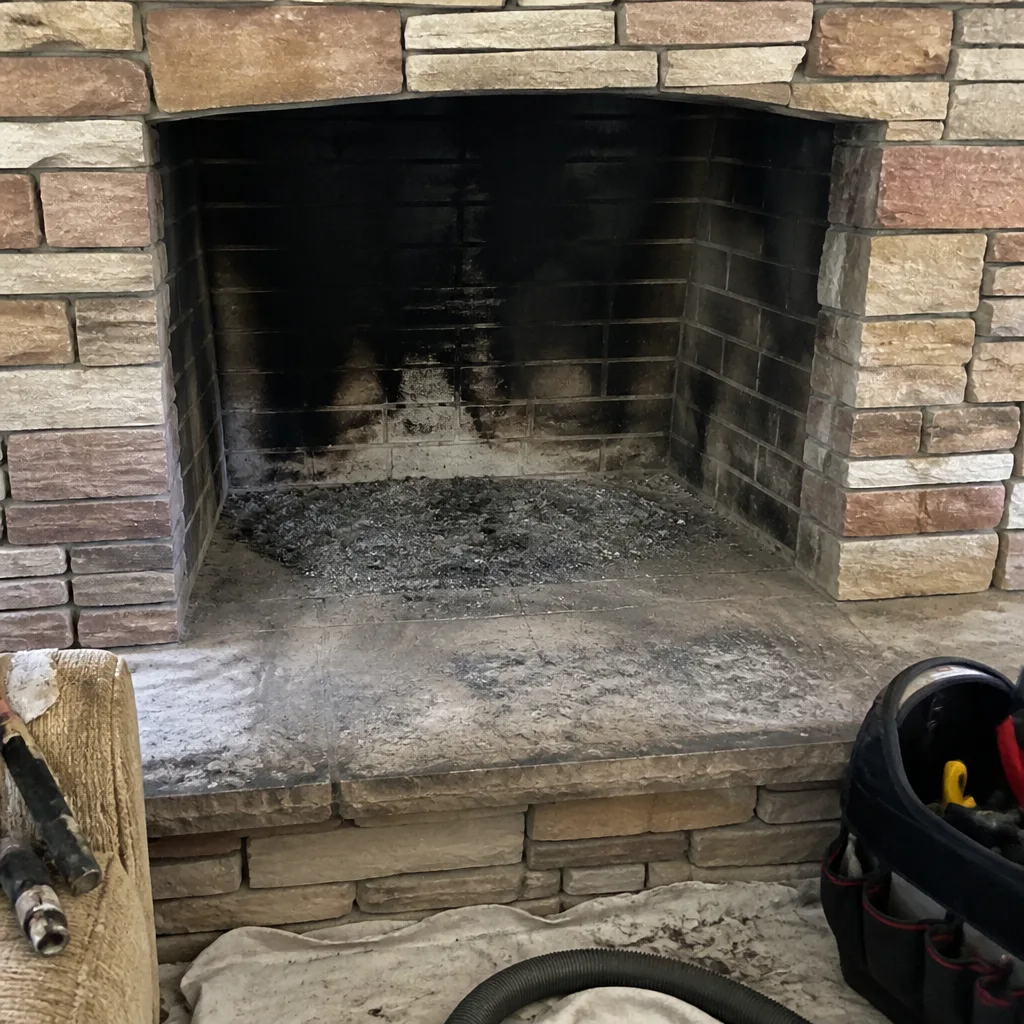
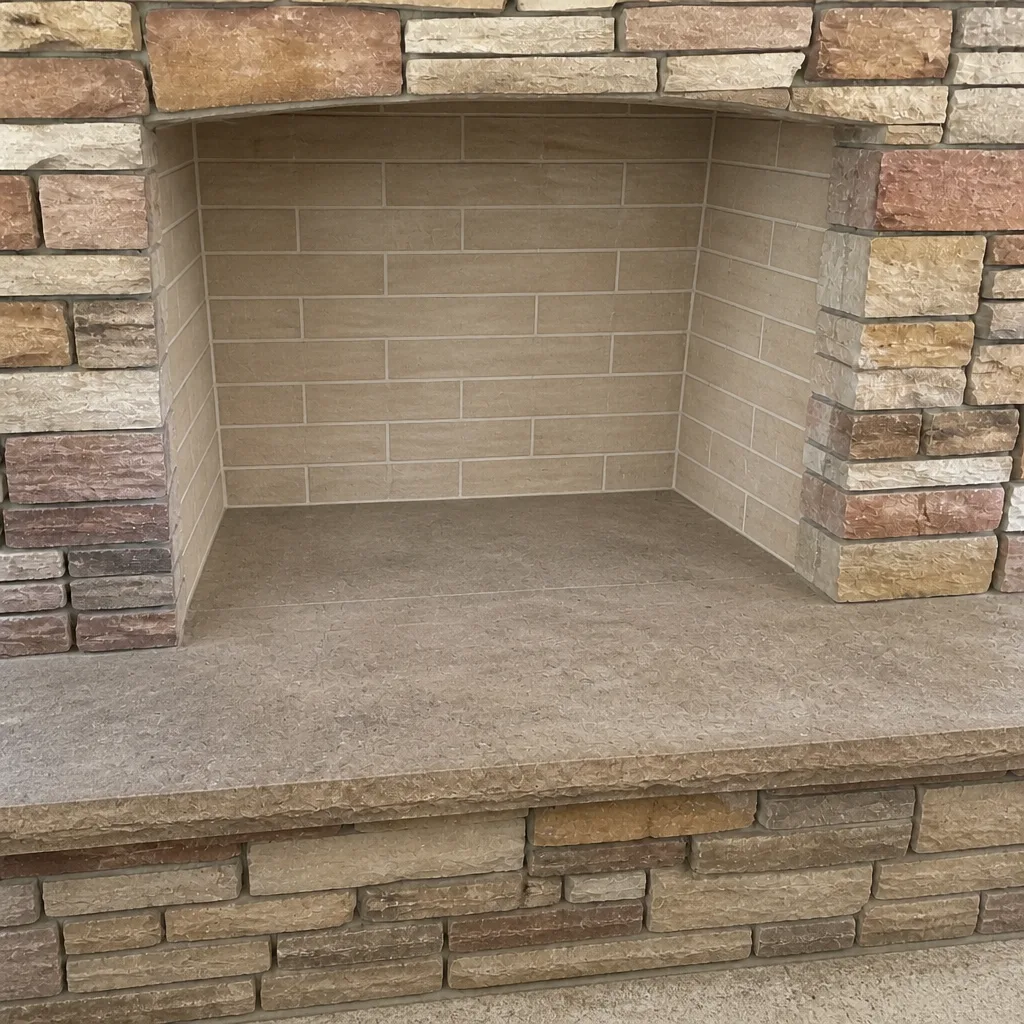
See the difference
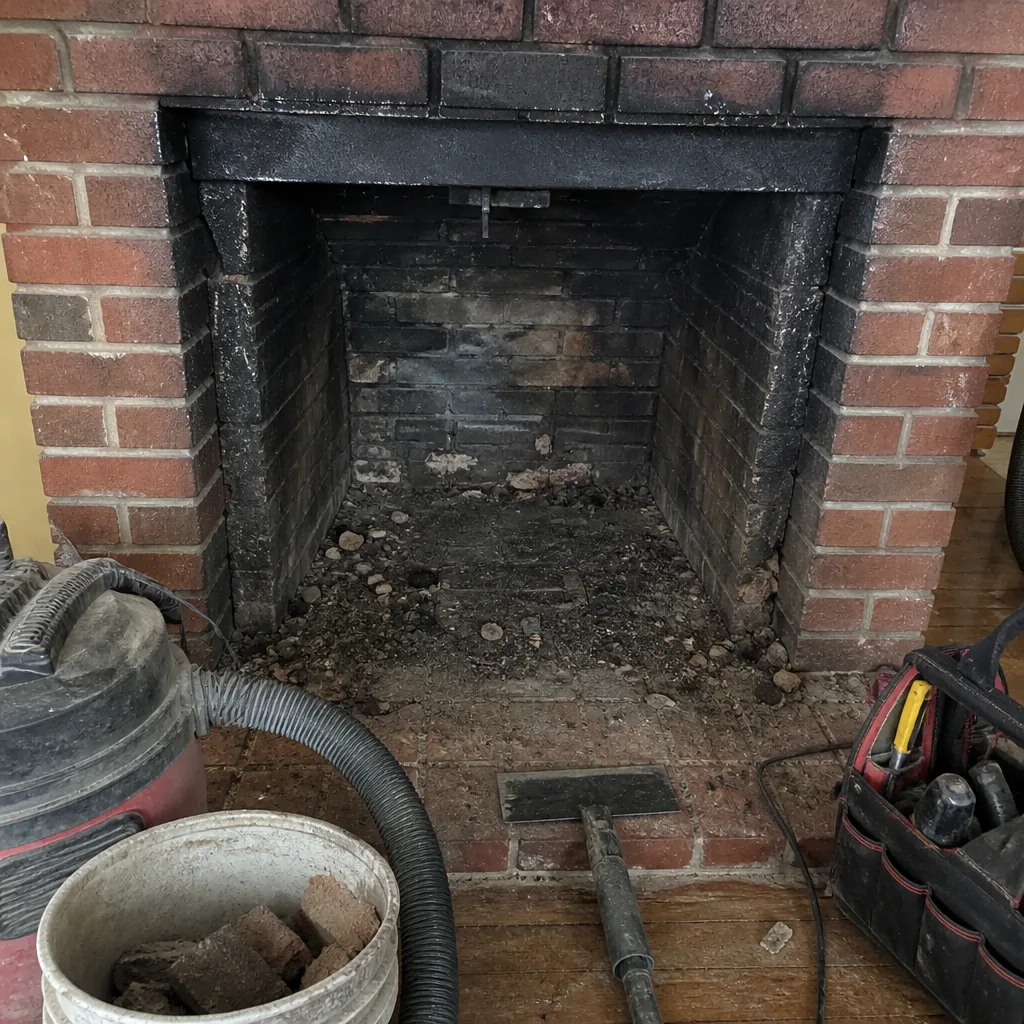 Before
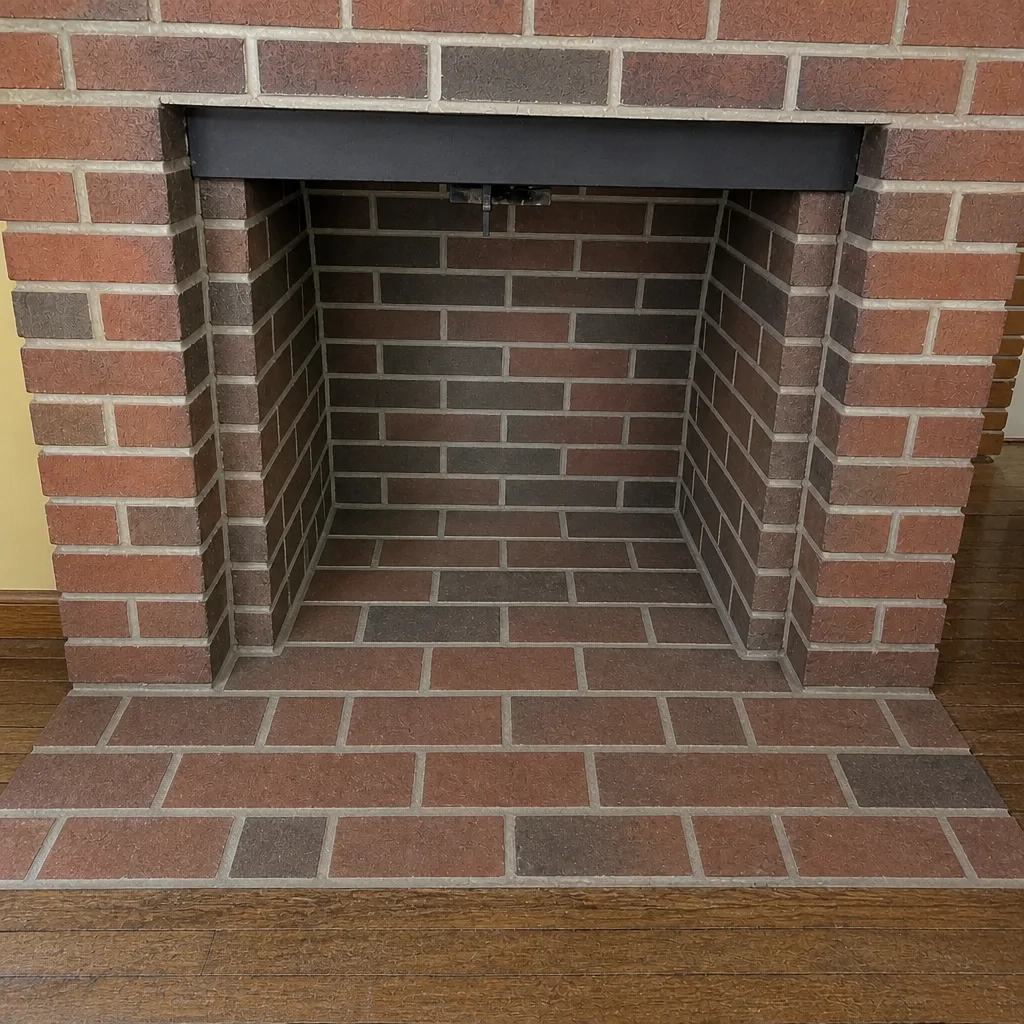 After
 Before
 After
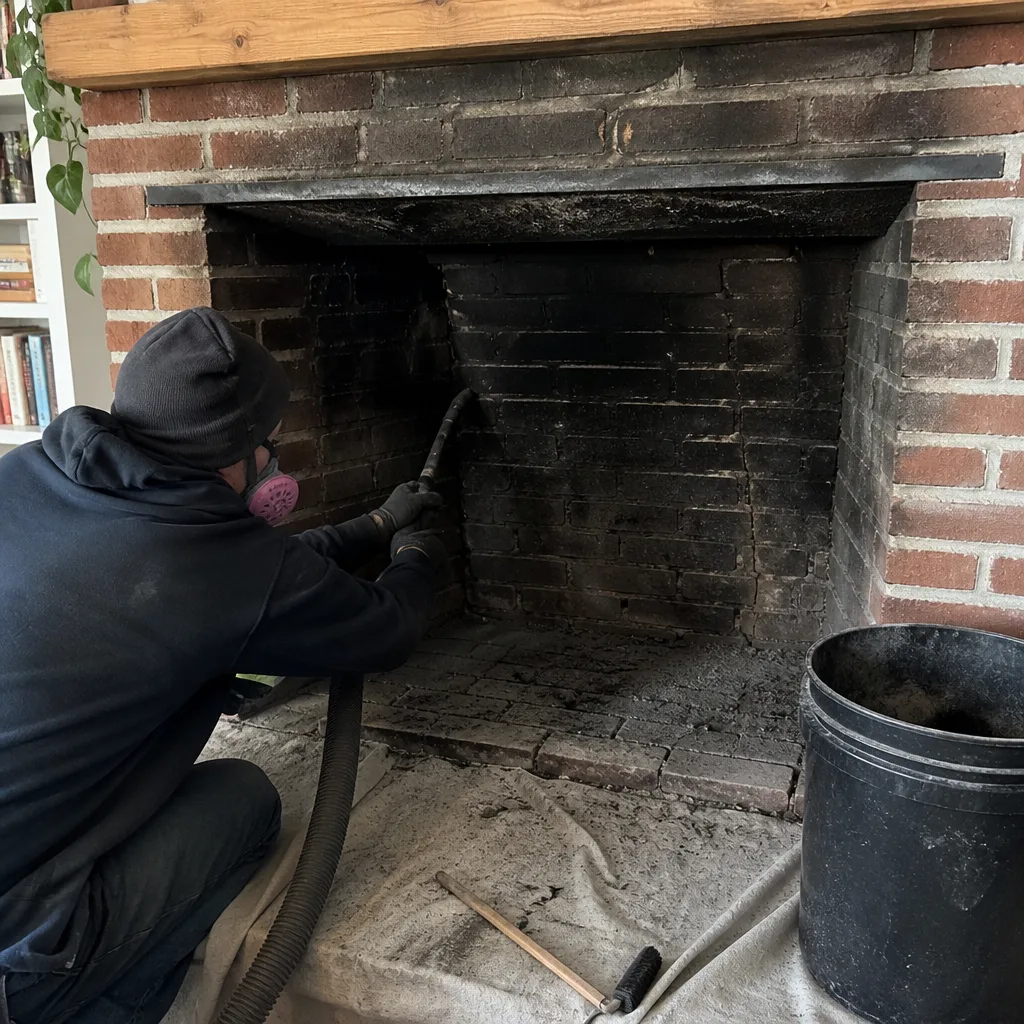 Before
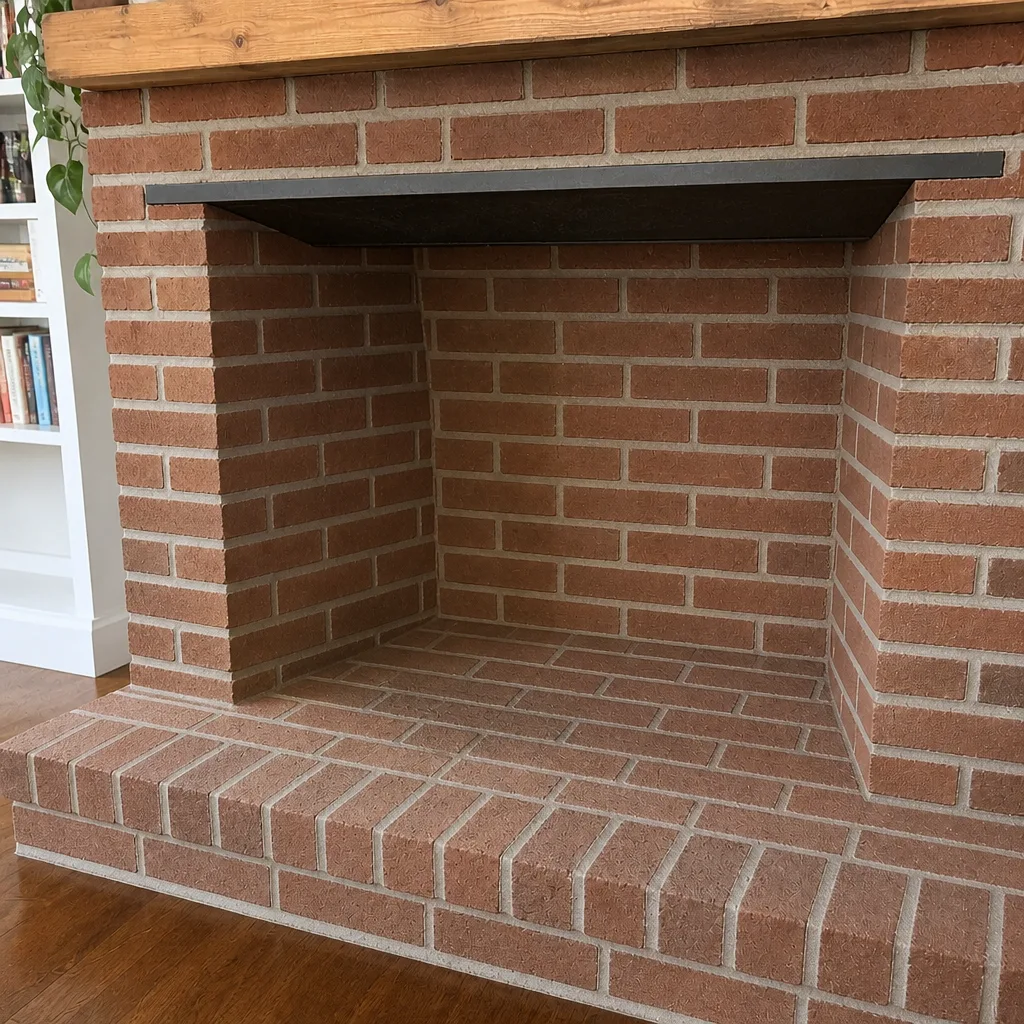 After
Frequently Asked Questions
A routine chimney sweep in Lakewood typically runs in the low-to-mid hundreds of dollars, and a Level 2 inspection with a video scan usually adds to that. The written estimate sets the final price, so nothing is charged beyond what you agree to. Call (877) 792-6835 for an exact quote – estimates are free.
The NFPA 211 standard calls for inspection and cleaning as needed, which in practice means an annual inspection and a sweep whenever the technician finds enough buildup. Heavy users and anyone burning unseasoned wood often need more than one sweep a year. If it’s been more than a year, book a visit.
Not always. Many cracked or deteriorated liners can be restored with a HeatShield resurfacing application rather than replaced, which avoids a full tear-out. The determination has to come from a video scan, and you should see that footage before agreeing to anything. Call (877) 792-6835 to schedule the scan.
Creosote continues to build until it reaches the glazed stages, which are the fire-hazard stages, and the flue may also develop cracks or joint gaps that let combustion gases into the house. The risk isn’t theoretical – it’s exactly what the 1/8-inch threshold in NFPA 211 is designed to prevent.
Lakewood’s roughly 5,400-foot elevation means thinner air and less efficient combustion, which produces more creosote than a fire at sea level. The local wood mix – pine, fir, and aspen – also carries more moisture and resin than dense hardwoods. The combination means annual service is the responsible default here.
Yes. Our five services – Chimney Sweep, Chimney Inspection, Fireplace Repair, Chimney Repair, and chimney cap & crown – are handled by one crew with no subcontracting, so a sweep that turns up a cap problem or a cracked crown doesn’t get handed off to a second contractor. Related work like fireplace repair stays on the same ticket.
The Bottom Line
Chimney cleaning in Lakewood is a diagnostic process, not a quick brushing. The elevation, the wood you burn, and the age of the local housing stock all shape how quickly creosote accumulates and what the flue needs. A proper job follows a defined sequence: exterior check, firebox and damper inspection, video scan when a Level 2 is called for, sweep with the correct brush, and a written report you can read. If it’s been a year or more since the last visit, schedule a free estimate with Chimney Sweep Lakewood Pros before the next burning season. Our technicians have up to 11 years of experience, and we work with trade-grade materials – DuraFlex liners, HeatShield resurfacing, and Gelco and Famco caps – because the right materials are what make the repair last.
Frequently Asked Questions
A sweep removes creosote and soot, while an inspection evaluates the condition of the flue and the rest of the chimney. In practice the two are paired – a sweep without an inspection misses defects the soot was hiding. If you’re scheduling a chimney sweep, ask for the inspection to be included.
You need a Level 2 if you’ve added an insert or changed fuel type, bought or sold the home, had a chimney fire, or if a previous inspection flagged something. If none of those apply and the appliance hasn’t changed, a Level 1 is usually enough.
Late summer or early fall, before the first fire of the season. That gets the flue clean for the heating months and leaves time to address any liner or crown issue before the weather turns. It’s a quiet season for scheduling, too.
Sometimes. Inserts often require partial removal to access the flue, and the technician will confirm that during the pre-work assessment. Call (877) 792-6835 and we’ll walk through what your setup needs.
A blocked or heavily creosoted flue can prevent exhaust from venting properly, which is one way carbon monoxide enters a home. The annual inspection exists to catch that before it becomes an emergency. Carbon monoxide is the reason to stay on schedule.
Call for a cap inspection and replacement. Gelco and Famco caps are both trade-standard brands we install, and the cap is one of the two most common sources of water intrusion. Call (877) 792-6835 to book the visit.
Contact
If your flue hasn’t been inspected this year, or you’re not sure what stage of creosote you’re dealing with, call (877) 792-6835 for a free estimate. We answer 24/7, and fast dispatch runs from 7am to 7pm, Sunday through Friday. We’ll inspect first, show you what we find, and recommend only what the evidence supports.
Written by the team at Chimney Sweep Lakewood Pros.