
Last updated November 23, 2026
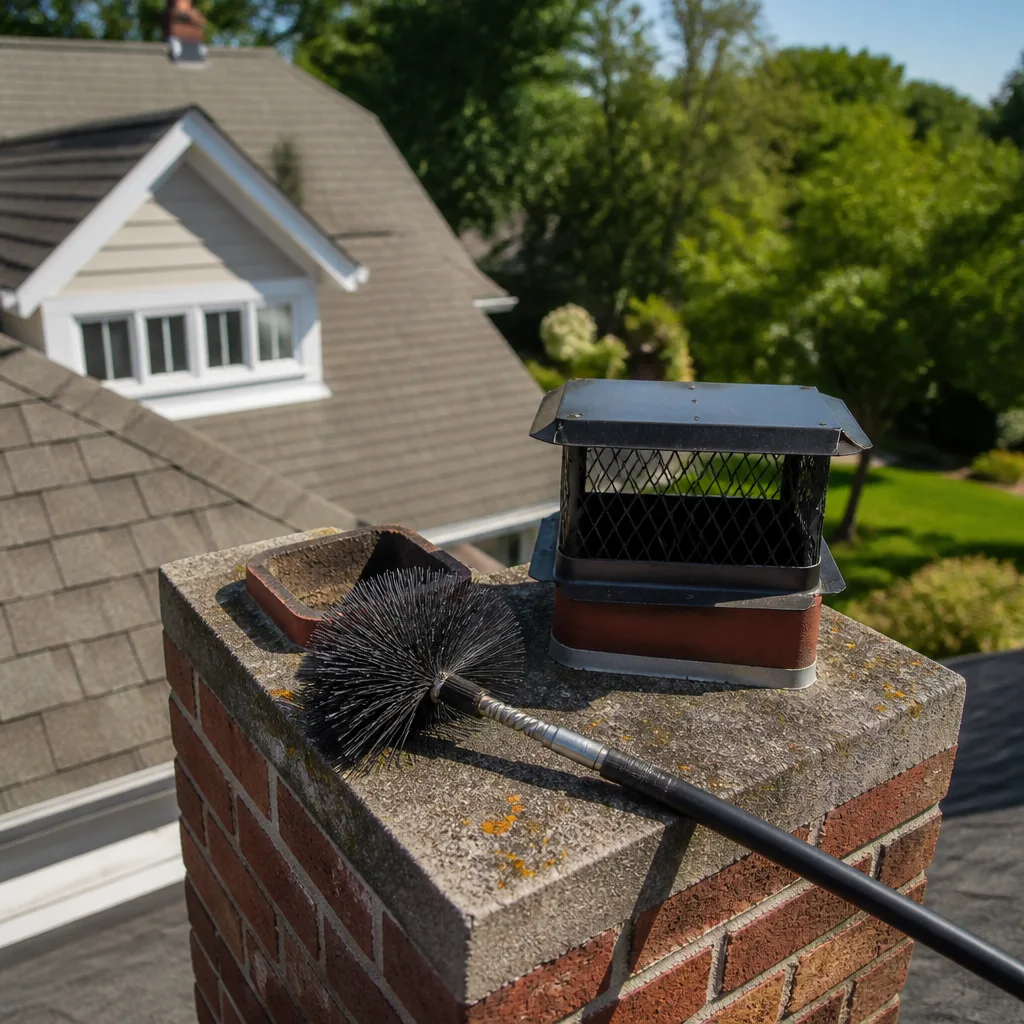 Sweep & inspection
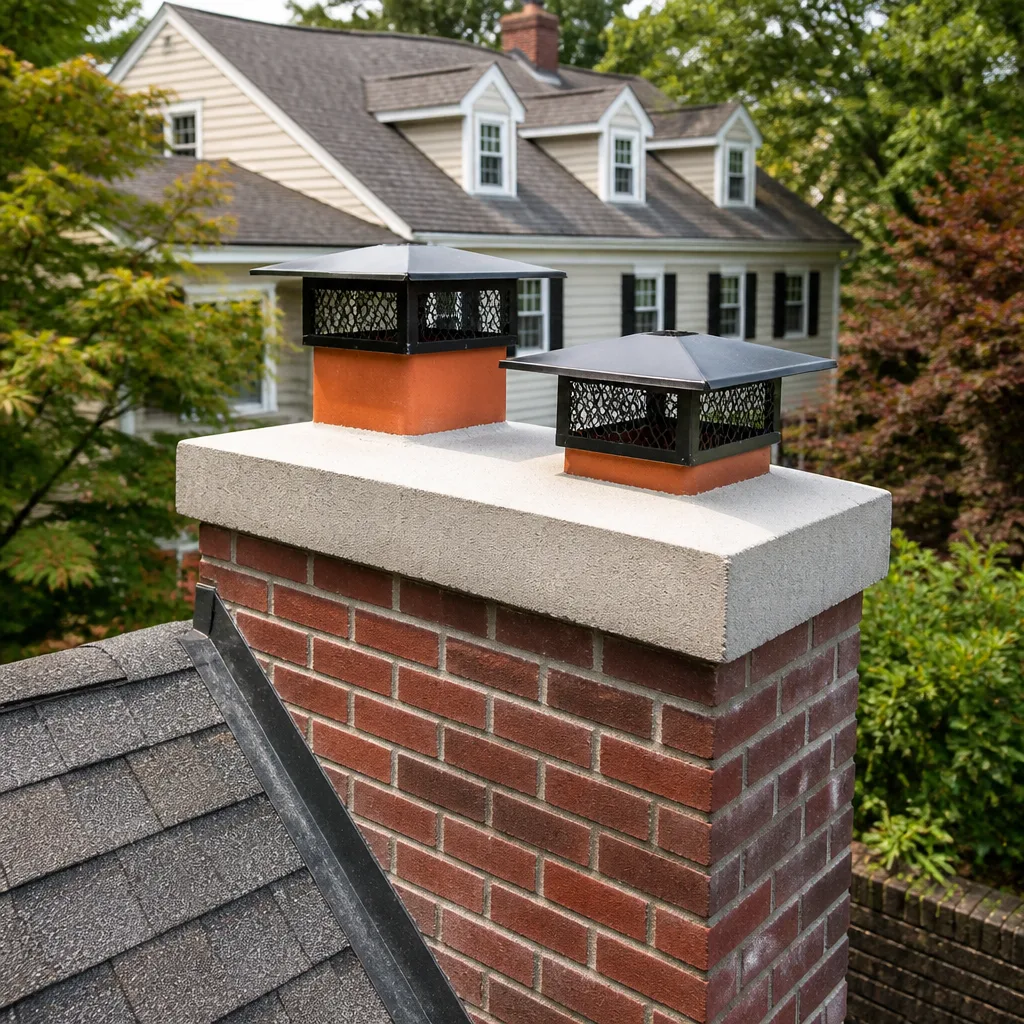 Caps & crowns
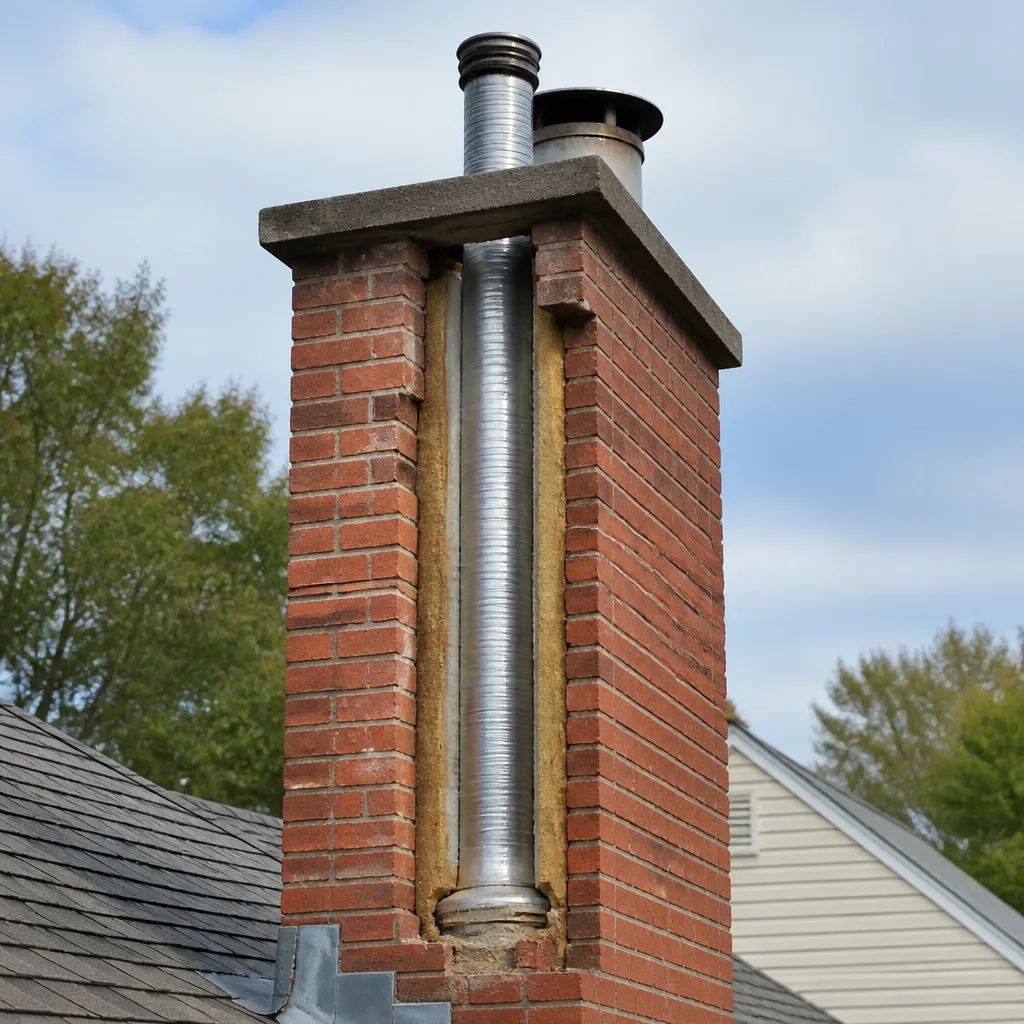 Flue relining
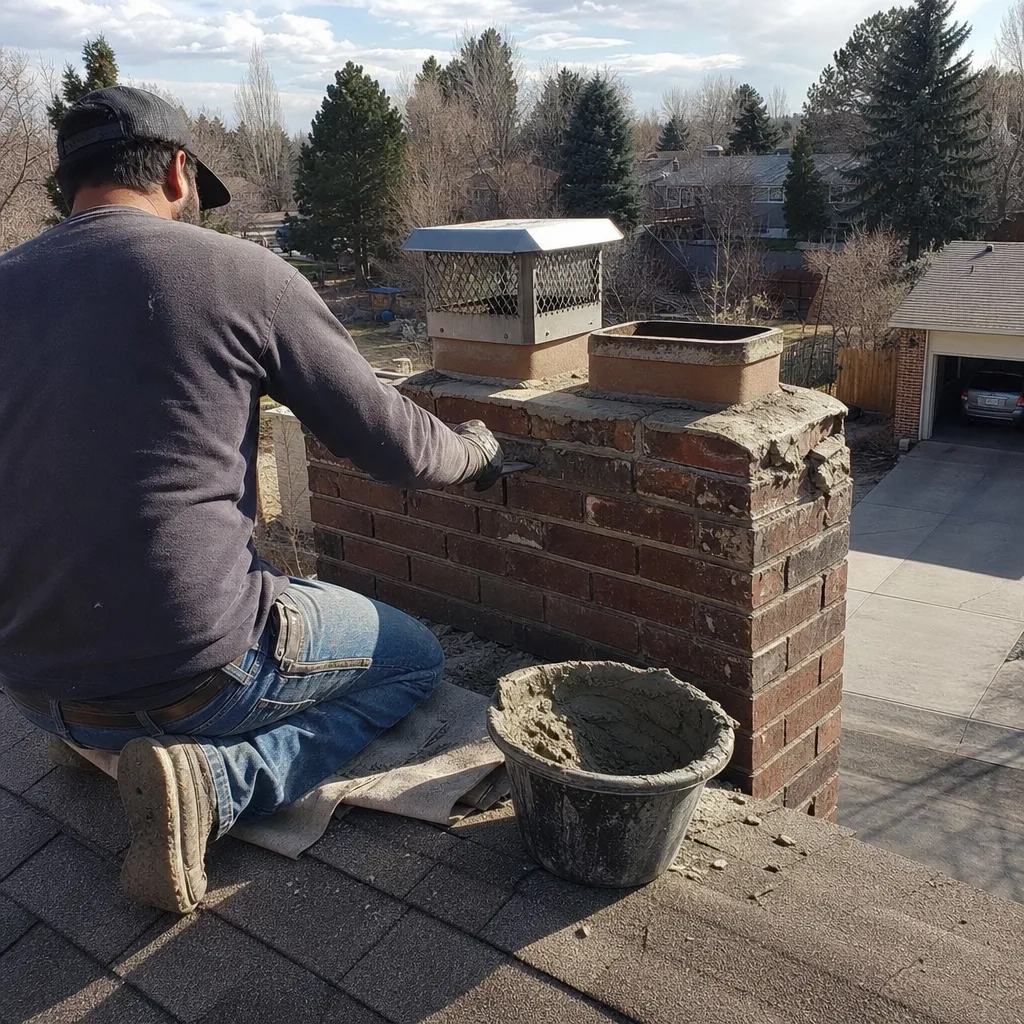
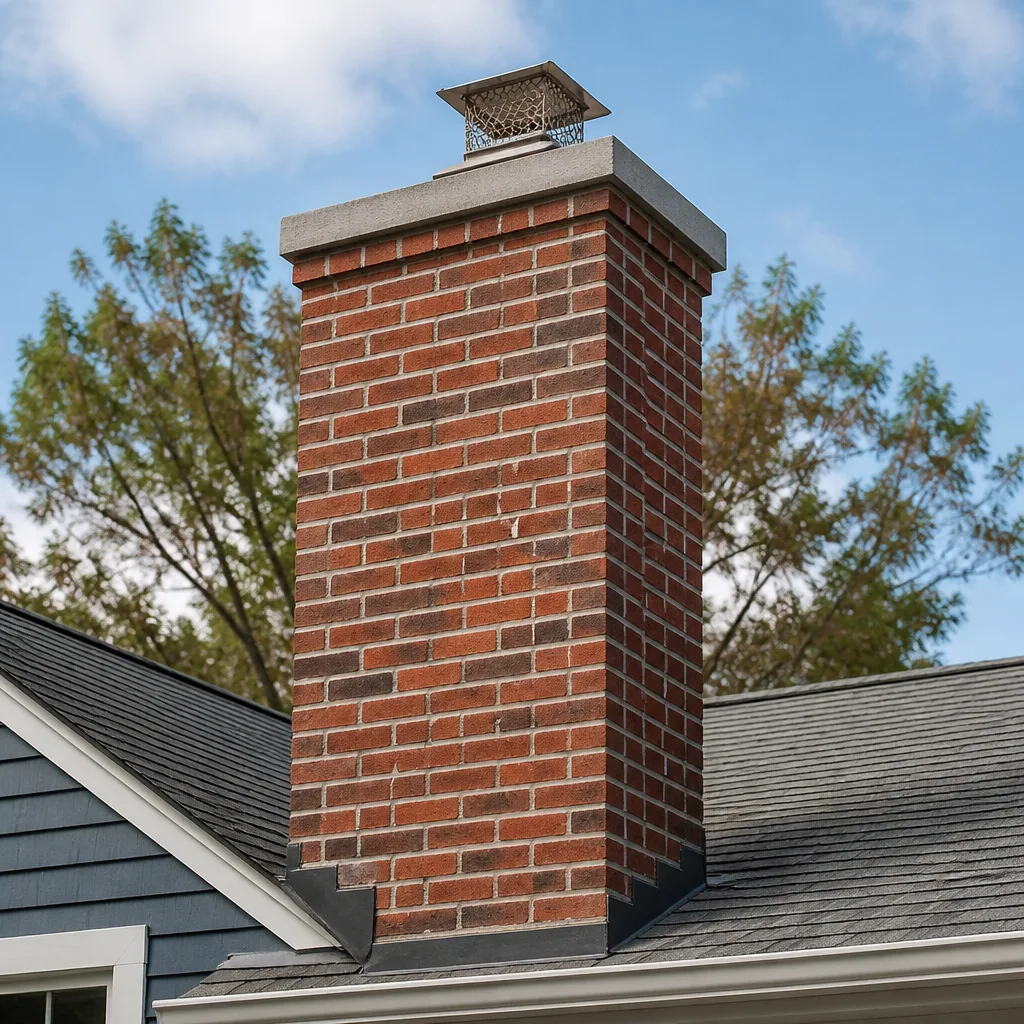 Masonry repair
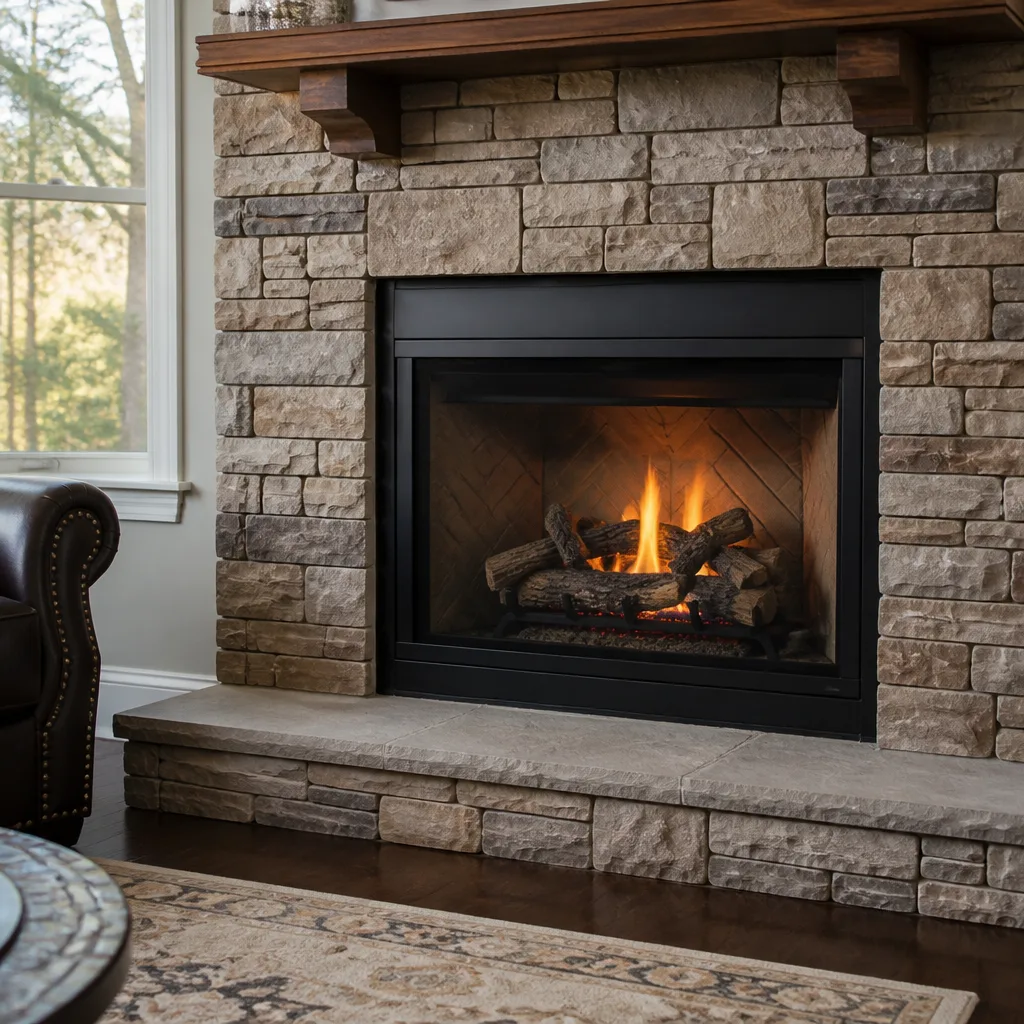 Gas fireplace service
Level 1 sweep and inspection to the NFPA 211 annual standard - flue, crown, cap, and flashing checked and photographed
Chimney sweep logs do not sweep chimneys. They loosen some creosote - which then falls where a brush and vacuum still have to collect it.
DIY vs Professional Chimney Cleaning: The Lakewood Homeowner’s Decision Guide
DIY chimney brush kits are sold at every hardware store in Lakewood, but none of them come with the camera that would show you whether the tile liner you just cleaned is fractured behind the soot. That’s the gap most cleaning-debate articles skate past. The real question isn’t whether you can push a brush up a flue. It’s whether the work you’re doing comes with the diagnostic information that keeps a chimney safe. In this guide we’ll walk through exactly what a homeowner can reasonably clean and inspect, the three conditions only a professional scan catches, why the high-altitude Front Range changes creosote behavior, and how a DIY-only maintenance record reads to an insurance adjuster after a claim. By the end you’ll know where DIY is genuinely fine and where it quietly creates liability.
Quick Answer
DIY chimney cleaning is reasonable for a light, routine surface sweep of the accessible flue on a chimney you know is in good condition. Professional cleaning is the safer choice when you don’t know the condition of the liner, when creosote has built up into glaze, or when it’s been more than a year since anyone inspected the chimney. The difference isn’t the brush stroke; it’s that a professional sweep includes an inspection with a camera that reveals cracks, offset joints, and mortar loss a homeowner can’t see from the firebox.
Styles & brands we work with
- Sweep & inspection
- Caps & crowns
- Flue relining
- Masonry repair
- Gas fireplace service
Table of Contents
- What a Homeowner Can Legitimately Clean and Inspect
- The Real Limits of DIY Chimney Work
- The Three Things Only a Professional Scan Reveals
- Colorado Creosote: Why High Altitude Changes the Cleaning Job
- DIY Records and Insurance Claims in Colorado
- The Honest Cost Comparison
- A Step-by-Step Way to Decide
- Common Mistakes to Avoid
What a Homeowner Can Legitimately Clean and Inspect
We’re not going to tell you that touching a brush is reckless. A homeowner with a basic kit and a healthy respect for the ladder can handle a narrow, well-defined slice of chimney upkeep in Lakewood. The key is understanding that slice precisely, so you don’t wander off the edge of it while thinking you’re still inside.
Here’s what a motivated homeowner can realistically do:
- Remove loose, dry soot and light, friable creosote from the accessible portion of the flue above the firebox using a properly sized brush.
- Visually check the firebox, the damper, and the smoke chamber for obvious debris, animal nests, or heavy soot accumulation.
- Confirm the cap is present and sitting level, and that no obvious rust-through or missing screen is letting rain or wildlife in.
- Spot-check the exterior mortar joints at eye level for crumbling or gaps, and note anything that looks wrong for a professional to look at.
- Confirm the damper opens, closes, and seals the way it should.
What you can’t reasonably do is climb the flue to inspect the full liner, reach the offset or any elbows with a camera, or judge the condition of the mortar crown of the smoke chamber above the damper. That work needs tools most homeowners don’t own, and it needs someone who knows what a bad joint looks like versus a normal one. If you’ve cleaned your own flue for years and never had it looked at, that record is worth something in the “I keep up with it” column, but it doesn’t substitute for inspection.
The Real Limits of DIY Chimney Work
The limit of DIY isn’t muscle. It’s information. A homeowner can push a brush through a flue and pull it out again. What the brush doesn’t tell you is the state of the clay tiles the brush just scraped past, the alignment of the joints between them, or what’s going on above the smoke chamber where the heat actually concentrates.
The three conditions most likely to matter are exactly the three a homeowner has no way to assess from inside the house:
- Liner cracks. Hairline fractures in clay tile liners aren’t visible from the firebox. The camera reveals them, and they’re the failure mode that lets heat and gases reach combustible framing.
- Offset joints. A flue that jogs or elbows changes its draft characteristics, and the joint at the offset is where soot collects and where lining damage often starts. You can’t reach it with a straight brush, and you can’t see it without a camera.
- Mortar deterioration above the smoke chamber. The masonry at the top of the smoke chamber takes the hottest gases and the most creosote contact. It’s the spot most likely to crack, spall, or lose mortar, and it’s above your reach from the firebox.
None of this is a knock on the homeowner. It’s a knock on the kit. The brush you buy at a hardware store in Lakewood was never designed to return diagnostic information. That’s what the inspection side of a professional sweep is for, and it’s why we inspect first, then recommend. If the conditions are clean, you get that on paper. If they’re not, you know before you book another fire.
The Three Things Only a Professional Scan Reveals
A professional chimney inspection uses a camera run through the flue, and it’s the only reliable way to see what the flue condition actually is. Here’s what that scan looks for, and why each one changes the maintenance plan.
1. Liner cracks and gaps. Clay tile liners crack for a lot of ordinary reasons: thermal cycling through a Lakewood winter, a chimney fire you might not have known about, settling, or original installation flaws. A crack small enough to miss from the firebox is still wide enough to let carbon monoxide and heat past. The camera tells you which tiles are sound and which aren’t, and that determines whether a restoration product like HeatShield can resurface the liner or whether you’re looking at full replacement.
2. Offset joints and elbows. Chimneys with a jog in the flue are common in older Jeffco neighborhoods and in homes that were re-roofed or remodeled. The joint at the offset is where soot collects, where the brush can’t fully reach, and where a camera earns its keep. If the liner is failing at the offset specifically, a flexible system like Olympia Chimney can fit a path that a rigid liner can’t.
3. Mortar deterioration above the smoke chamber. This is the spot that separates a routine sweep from a repair conversation. Crumbling mortar at the top of the smoke chamber is a fire-containment issue, and it’s not something a homeowner can see or evaluate. When the scan catches it early, it’s a repair. Left alone, it’s the kind of failure that eventually finds its way to the framing.
This is why the inspection is the honest starting point of a professional visit, not an upsell bolted on at the end. The camera is doing the diagnostic work; the brush is doing the cleaning. Both matter, and they answer different questions.
Colorado Creosote: Why High Altitude Changes the Cleaning Job
Lakewood sits at elevation, and elevation changes how a wood fire burns. Lower oxygen density means a fire that isn’t getting enough air runs cool, and a cool fire is an incomplete-combustion fire. Incomplete combustion produces more creosote than a hot, clean burn, and it produces the harder, stickier forms of it faster.
That matters for the DIY debate because of the types of creosote:
- Stage 1 creosote is loose, dry, and flaky. This is the kind a brush handles well, and it’s the reason a DIY sweep can work on a chimney that stays clean.
- Stage 2 creosote is a harder, crustier deposit. A brush knocks off some of it, but a lot of it stays put, and it stays flammable.
- Stage 3 creosote is the glazed, hardened form. It’s the most combustible, it’s the hardest to remove, and brushing alone doesn’t touch it.
On the Front Range, the cool-burning fire problem is real. Homeowners who damper down a fire to stretch a load of wood, or who burn unseasoned wood, or who run a stove or fireplace insert on low heat for long stretches, tend to produce more Stage 2 and Stage 3 deposit than they would at lower elevation in the same appliance. That’s not a scare tactic, it’s just the physics of a thinner air supply. And glaze doesn’t come off with a brush stroke. It needs chemical treatment to break it down, followed by mechanical removal once it has softened. That’s a professional product and a professional process. A homeowner with a brush and a YouTube video is not going to win that fight.
If you’ve been burning for years at elevation without a scan, the odds are decent that some glaze has set up in the flue. That’s the single best argument for a professional sweep in Lakewood: not that a homeowner can’t clean, but that the deposit type at this altitude frequently exceeds what cleaning tools alone can address. A chemical treatment followed by a proper sweep, plus a camera inspection to confirm the tiles are sound, is the full job.
DIY Records and Insurance Claims in Colorado
Here’s the part most DIY guides skip. If a chimney fire or carbon monoxide incident happens and you file a claim, the adjuster is going to want to see a maintenance record. That record tells a story, and it’s either a story about a chimney that was inspected and maintained, or a story about a homeowner who cleaned it themselves and has nothing on paper to show the condition of the liner, joints, or masonry.
We’re not going to tell you an insurer will deny a claim because you swept your own chimney. That depends on the policy, the adjuster, and the specifics, and no honest answer exists without reading the policy. But we will tell you that a professional inspection report is a document. It shows the condition of the chimney on a date, in the eyes of someone who looked at it with a camera. If you clean your own chimney and something fails, there’s no equivalent document, and in a claim that’s the difference between a record and a question.
There’s also the liability angle to think about. If your chimney shares a wall or a chase with a neighbor’s unit in a Lakewood townhome or condo, and a fire spreads, your maintenance history becomes part of the story. A paper trail of professional inspections is a lot easier to stand behind than “I cleaned it myself and it seemed fine.”
This is one of the reasons we do an inspection report as part of the visit. The written record of what the camera saw, and what we recommended based on it, is valuable whether or not anything needs repair. If you’ve been the only person maintaining your chimney for years, that record is worth getting started.
The Honest Cost Comparison
Most DIY-vs-pro articles compare a hardware-store brush to the price of a sweep and stop there. That comparison leaves out the value of the inspection, and it assumes the two approaches achieve the same outcome. They don’t. Here’s a more useful breakdown. These are typical ranges for the Lakewood market, and the written estimate sets the final price for any specific job.
| Approach | Typical Range | What It Includes |
|---|---|---|
| DIY brush kit (brush, rods, basic hand tools) | $60 – $150 one-time | Loose soot and Stage 1 creosote removal from the accessible flue only. No inspection, no camera, no report. |
| DYI chemical treatment for Stage 2/3 glaze | Not realistically DIY | Requires professional-grade products, proper application, and follow-up sweep. This is the job that pushes most homeowners to call. |
| Professional chimney sweep with inspection and camera scan | $150 – $350 typical | Full sweep, camera inspection of the liner, written report with photo evidence, recommendations for anything found. |
| HeatShield liner resurfacing (if liner is damaged but qualifies) | Varies by job | Less invasive restoration of a damaged liner without full replacement. Apply only where the liner qualifies. |
| Full liner replacement (if restoration isn’t an option) | Varies by job | Full tear-out and replacement using a flexible or rigid system matched to the flue path. |
The money question isn’t “does the kit cost less than the sweep.” Of course it does. The real question is whether the DIY kit is producing the diagnostic information that keeps the chimney safe, and it isn’t. The professional sweep buys you a camera scan, a written report, and a trained eye on the specific deposit types and liner conditions that cause fires. Those are worth more than the $60 you didn’t spend. And if the inspection finds a cracked liner, you now know, which is the whole reason to have someone look.
Our chimney sweep includes the inspection and the written report, so you have both the cleaning and the condition of the chimney in front of you. There’s no separate fee for the camera scan, and nothing is recommended without the photo evidence to back it up.
A Step-by-Step Way to Decide
If you’re on the fence about which approach makes sense for your Lakewood home, walk through this sequence. It’s the same decision tree we’d use if we were standing in your living room.
- When was the chimney last professionally inspected? If it’s been more than a year, or you’ve never had it scanned, book the inspection. That’s the starting point regardless of what you do about the sweep.
- What kind of fire do you run? If you burn hot, dry, well-seasoned wood and keep the damper open, you’re less likely to build Stage 2 or 3 deposit. If you damper down, burn green wood, or run a stove or insert on low heat for long stretches, expect the harder deposit types and plan for professional cleaning.
- How much are you burning? A chimney that sees fires on a handful of evenings in Lakewood has a different maintenance cadence than one that burns most of the winter. More fires, more often, means more frequent checks.
- What does the inspection report say? If the camera scan comes back with sound liner, intact joints, and no mortar issues above the smoke chamber, you have a clean, honest picture of the chimney and a decision to make about DIY between scheduled inspections. If it shows damage, the repair path is decided by what the scan found.
- Can you show evidence of maintenance when it matters? If an insurance claim or a sale of the home later requires a maintenance record, the professional report is the document that answers the question. Weigh that against the kit price.
- Are you able to safely access the roof? If the answer is no, or uncertain, the decision is made for you. Roof access is where DIY versions of this job go wrong.
Run those six steps and the answer usually sorts itself out. In our experience, the homeowners who get the most from a professional visit are the ones who book the inspection first and let the findings drive the rest, rather than trying to budget for repairs they’ve heard about from someone else.
Common Mistakes to Avoid
- Cleaning without inspecting. If you sweep the flue but never have it scanned, you’ve removed the soot and left the underlying condition unexamined. The deposit comes off, but a cracked tile behind it stays cracked.
- Assuming the brush did the whole job. A brush removes Stage 1 deposit and knocks off some of the harder stuff, but it doesn’t touch glaze. If your flue has a glazed buildup, the cleaning isn’t finished when the brush comes back out.
- Burning unseasoned wood and blaming the chimney. Wet wood burns cool, and a cool fire at Front Range elevation makes more creosote than a hot one. If you’re producing a lot of deposit, look at the fuel before you blame the flue.
- Ignoring the crown and cap. Water intrusion at the top of a chimney causes more long-term damage than most people realize, and the crown and cap are the two spots it comes from. A missing or cracked cap in Lakewood is something to fix, not something to note and get to later. Our chimney cap & crown work handles both.
- Assuming a clean sweep is the same as a safe chimney. A sweep removes soot. A safe chimney is a soot-free flue on a sound liner. Those are two different conditions, and the inspection is what tells you whether the second one is true.
- Judging condition from the firebox. The firebox is the one part of the chimney you can see clearly, which makes it the most misleading. Damage above the damper, in the smoke chamber, or in the upper flue is invisible from where you’re standing.
- Skipping the written report. If you’re paying for an inspection, get the report, and keep it. It’s the record that matters if a claim or a home sale ever asks the question of when the chimney was last looked at.
See the difference
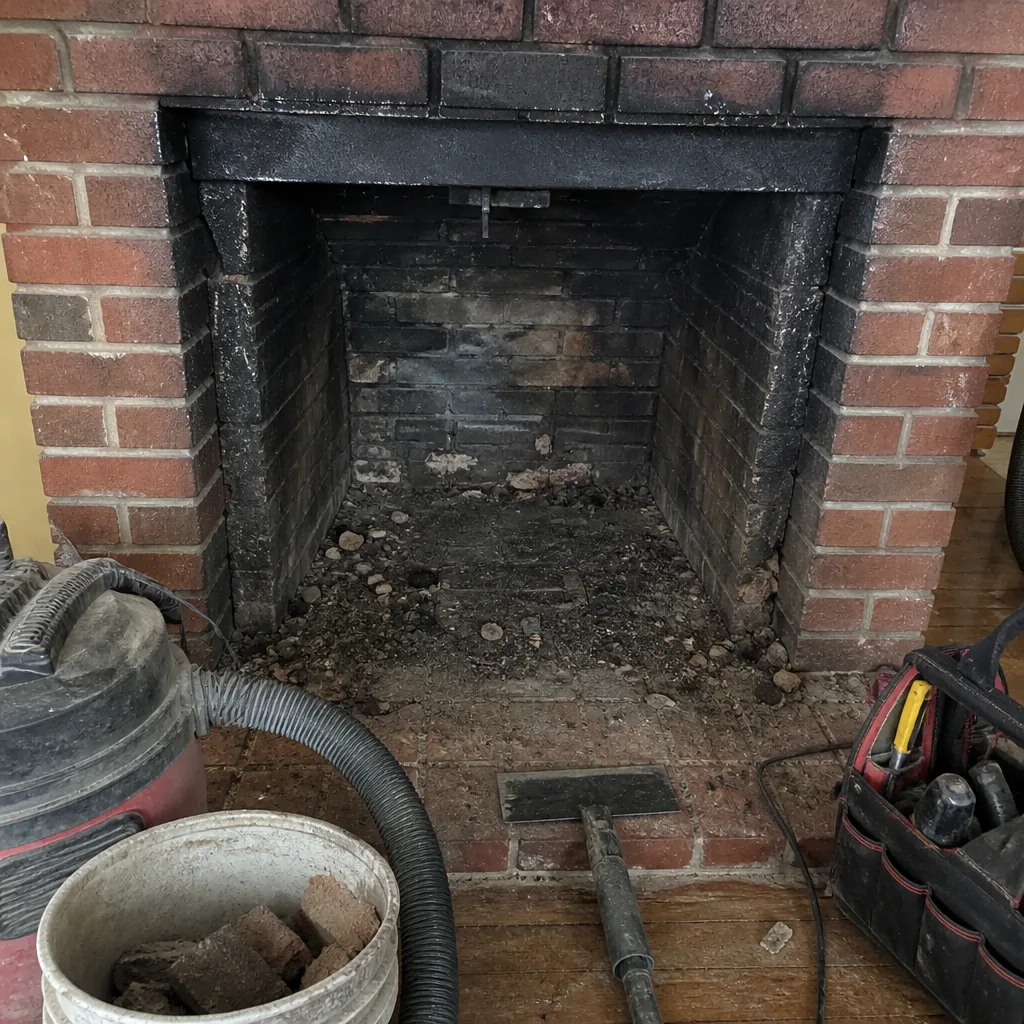 Before
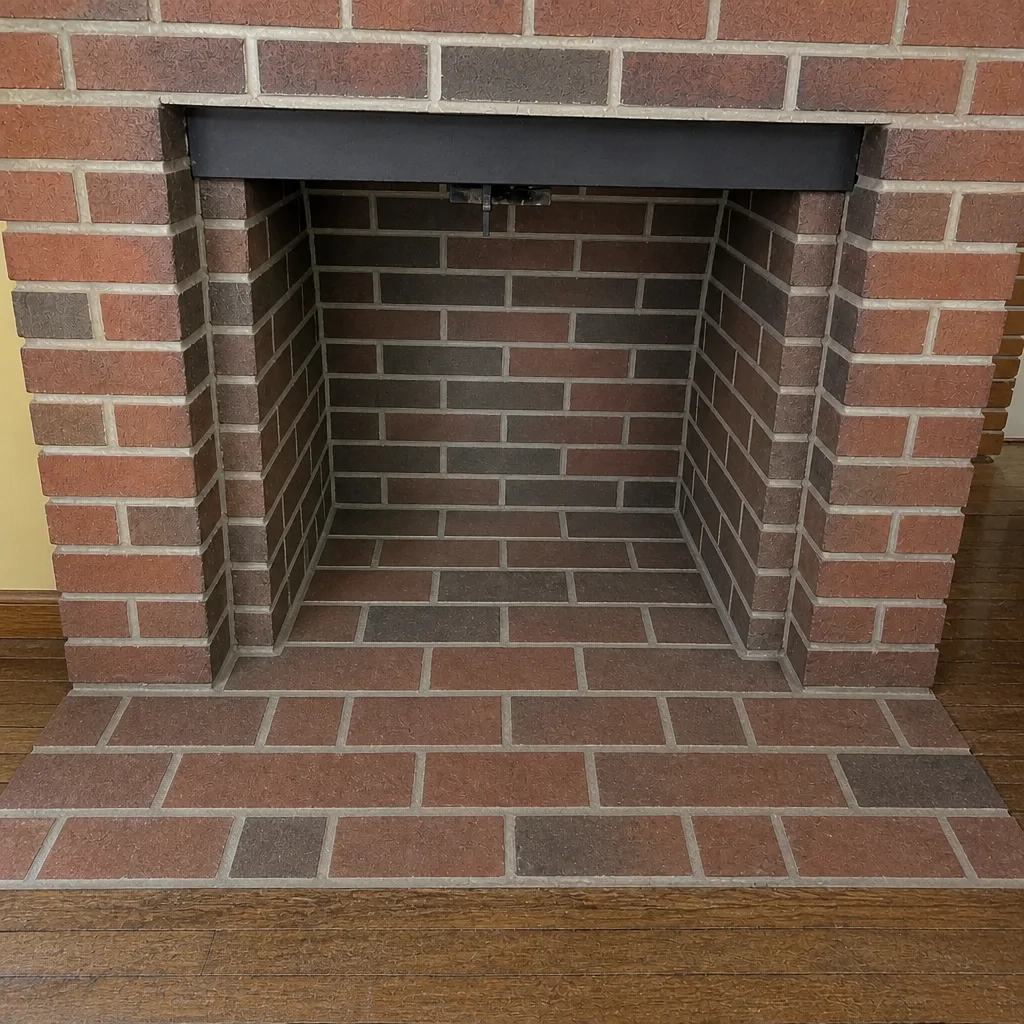 After
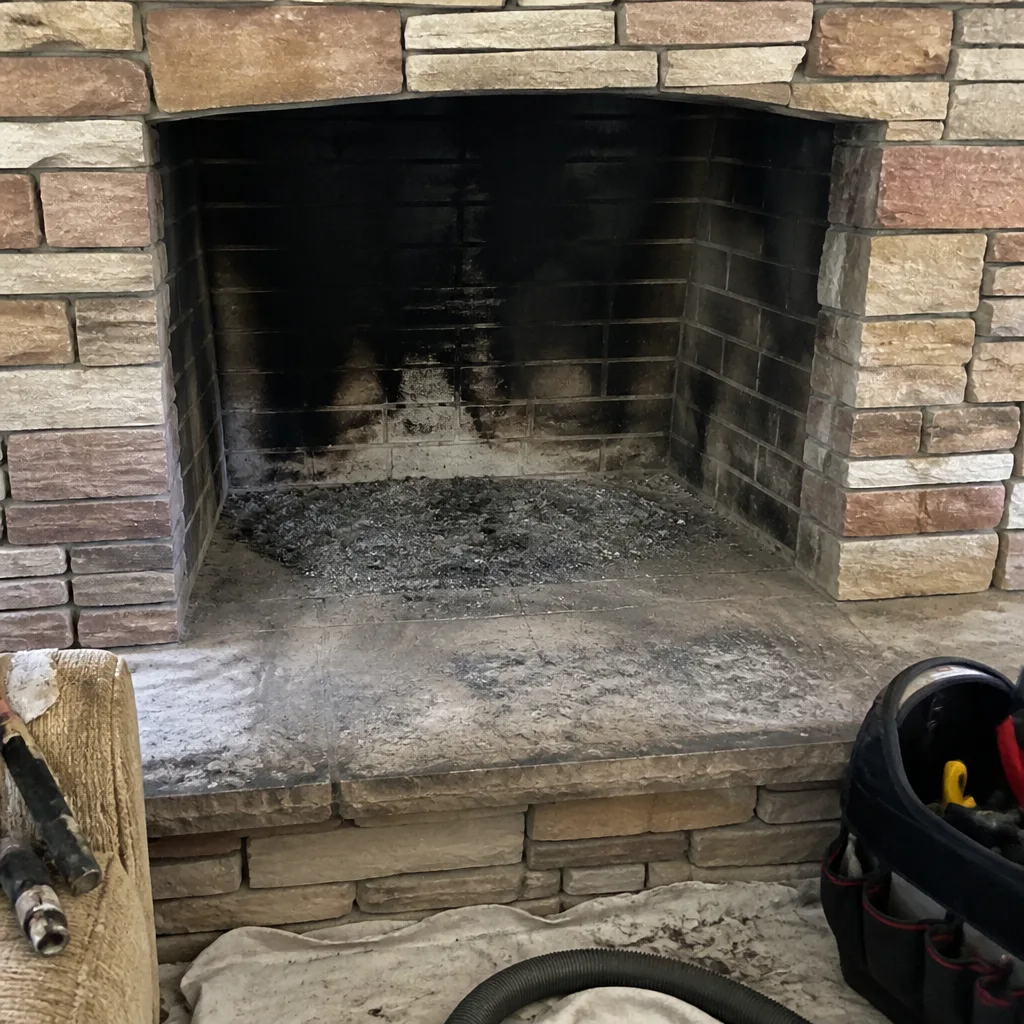 Before
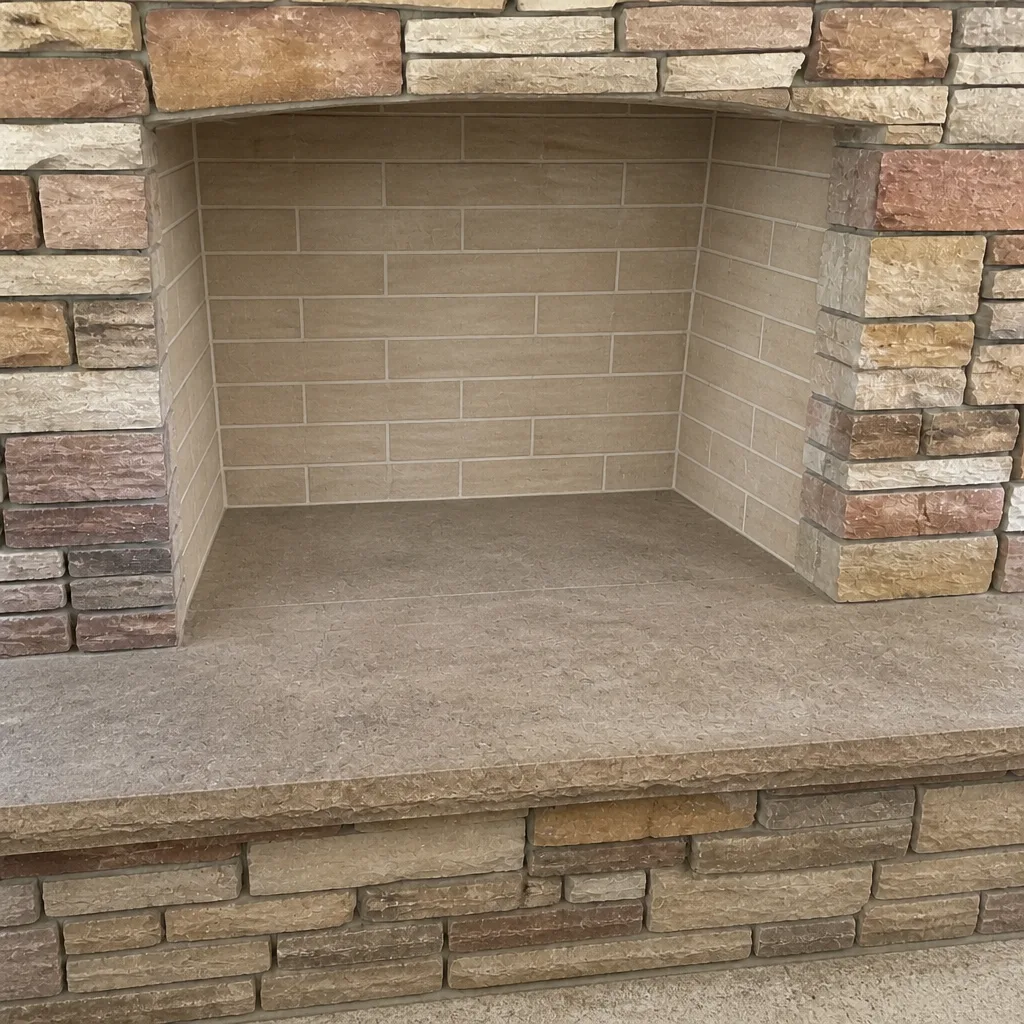 After
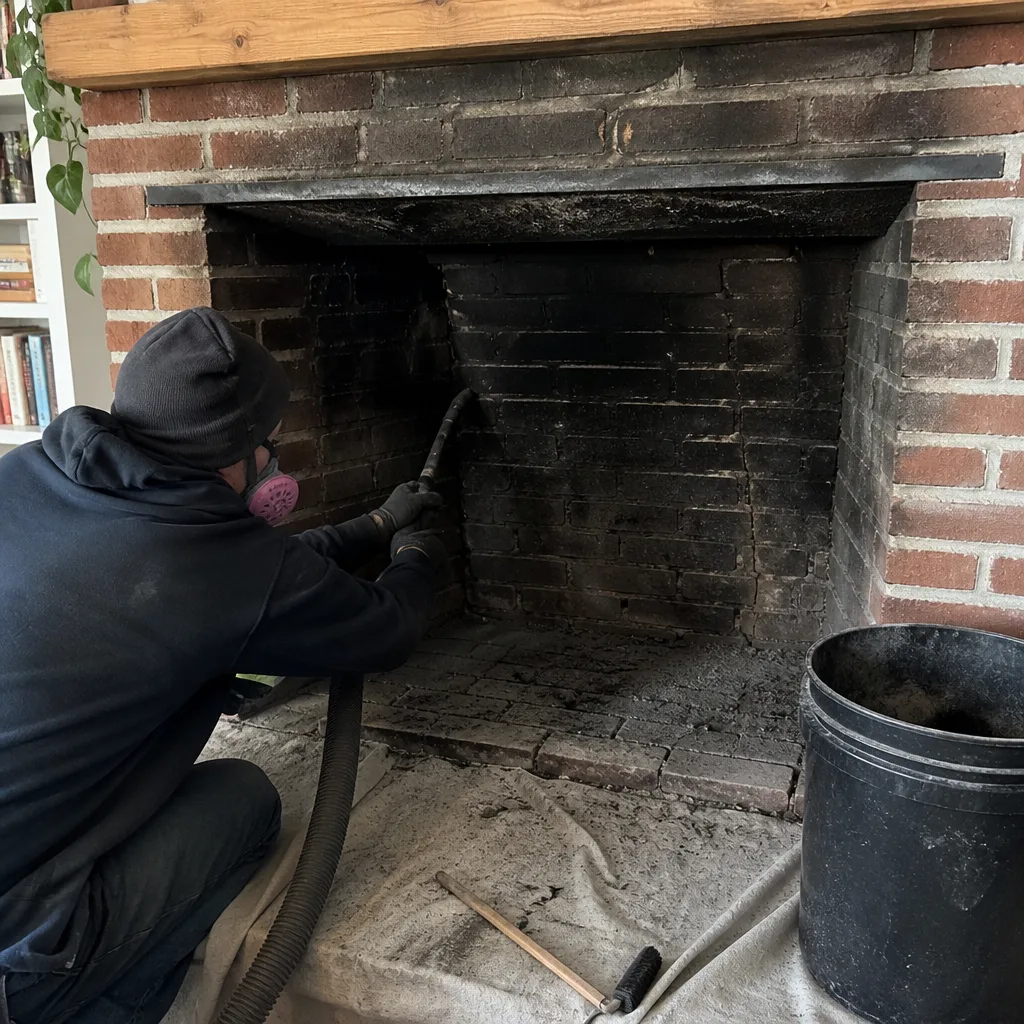 Before
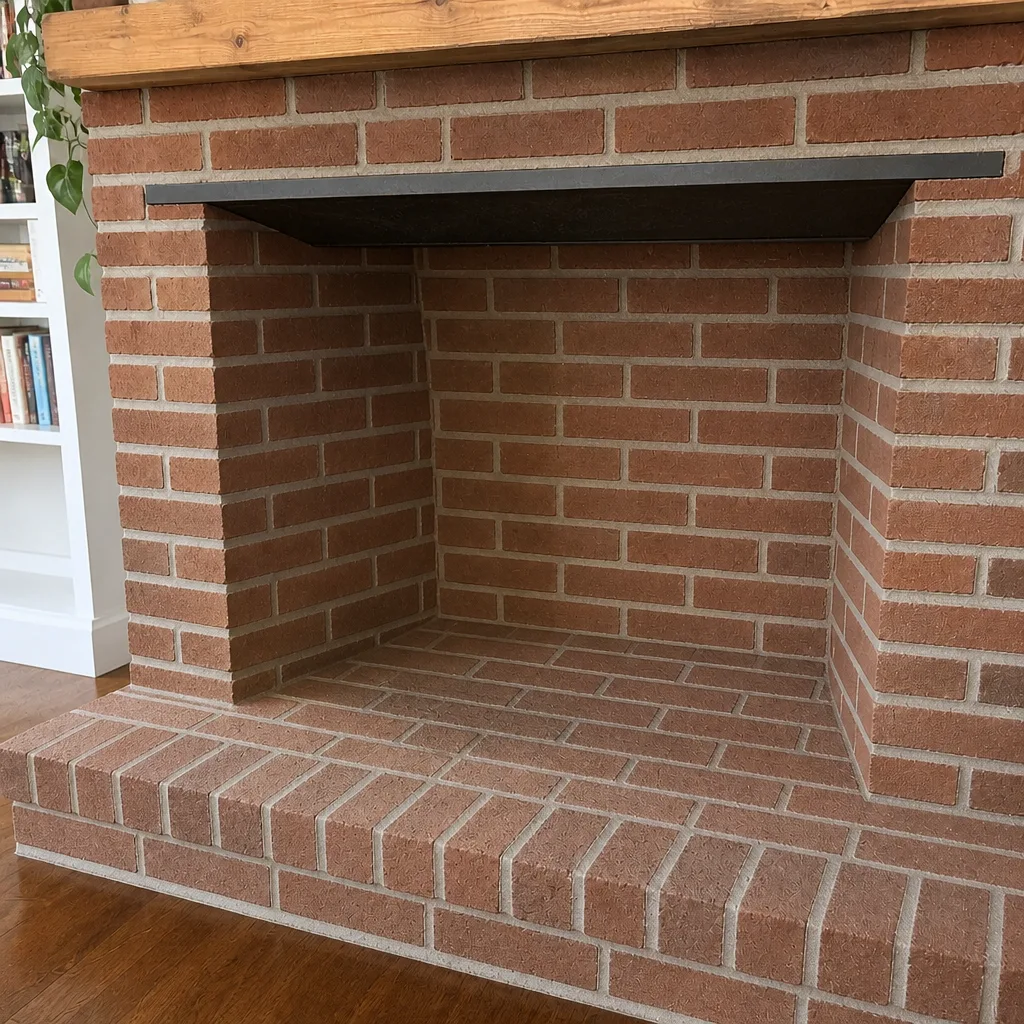 After
When to Call a Professional
Some conditions make the decision for you. Call a professional when the chimney hasn’t been inspected in more than a year, when you’re seeing glaze or hard crust in the firebox, when the draft is weak or the fire smokes back, when there’s a rust or water stain on the flue or ceiling, when the cap is missing or damaged, when a chimney fire has occurred, or when a carbon monoxide alarm has gone off. Any of those means the camera needs to go in, and a homeowner with a brush can’t answer the questions those situations raise. We’ll also add that a chimney on a home you just bought deserves a scan before the first fire, because you don’t know its history.
Our technicians have up to 11 years of experience, and we work with professional-trade brands like HeatShield, Olympia Chimney, Gelco, and Famco rather than hardware-store substitutes. Chimney Sweep Lakewood Pros offers free estimates in Lakewood, call (877) 792-6835. We answer 24/7. Fast dispatch from 7am to 7pm, Sunday through Friday.
Frequently Asked Questions
Most wood-burning chimneys in Lakewood should be swept and inspected once a year, and more often if you burn heavily through the winter. Gas appliances need an annual inspection as well. The annual visit is also when the camera scan catches liner or masonry conditions before they turn into something bigger. Call (877) 792-6835 to book a sweep and inspection.
A typical professional sweep with inspection in Lakewood runs in the $150 – $350 range, and the specific price depends on the chimney. The written estimate sets the final price, and the estimate is free. Repair work, like liner resurfacing or a cap and crown installation, is quoted separately after the inspection. Call (877) 792-6835 for an exact quote.
Creosote builds up in the flue, the deposit gets harder to remove over time, and the fire has less room to vent properly. Carbon monoxide risk rises when the flue can’t draft, and the fire risk rises when the deposit is thick enough to catch. Neither is guaranteed, but both are the reasons the annual inspection exists. A camera scan is the cheapest way to know where your chimney actually stands. Call (877) 792-6835 for a free estimate.
Yes, if the cleaning is the only thing getting done. A brush removes deposit but doesn’t assess the liner, the joints, or the mortar above the smoke chamber, and those are the conditions that cause the problems. Think of it as two separate jobs: cleaning the flue, and finding out what shape it’s in. The inspection is the second one, and it’s the one a homeowner can’t do from the firebox.
It can, in the sense that a homeowner can damage a fragile clay liner while brushing if the tiles are already compromised. A brush on a cracked or spalled tile can catch an edge and widen the damage. That’s one reason the inspection-first approach makes sense even for homeowners who plan to do their own maintenance: find out what’s in the flue before you put a brush through it.
A professional sweep includes a camera inspection of the liner, a written report with photo evidence, and specific recommendations based on what the scan found. Our fireplace repair and other service lines tie into the same visit, so if the inspection turns up a damper or firebox issue, the same company handles it. One crew, one invoice, no handoffs. Call (877) 792-6835 for a free estimate.
The Bottom Line
DIY chimney cleaning is fine for light, routine deposit removal on a chimney you know is sound, and it’s a reasonable way for a careful homeowner to stay on top of soot between scheduled inspections. But it never replaces the inspection, and the inspection is what actually protects the house. Liner cracks, offset joints, and mortar loss above the smoke chamber are the conditions that cause chimney fires, and they live in exactly the spots a brush can’t reach and an eye can’t see. At Lakewood’s elevation, the harder creosote forms are more common and need chemical treatment, not just a brush. The honest cost comparison comes out in favor of the professional sweep once you count the camera, the report, and the maintenance record. For anything beyond a routine surface clean, or any chimney you don’t yet have a scan for, the smart move is to book the visit and let the findings drive the rest. That’s the Chimney Sweep Lakewood Pros approach: inspect first, recommend based on what the camera sees, and tell you plainly when work can safely wait.
Call (877) 792-6835 for a free estimate. We answer 24/7. Fast dispatch from 7am to 7pm, Sunday through Friday.
Written by the team at Chimney Sweep Lakewood Pros.