
Last updated November 23, 2026
 Sweep & inspection
 Caps & crowns
 Flue relining
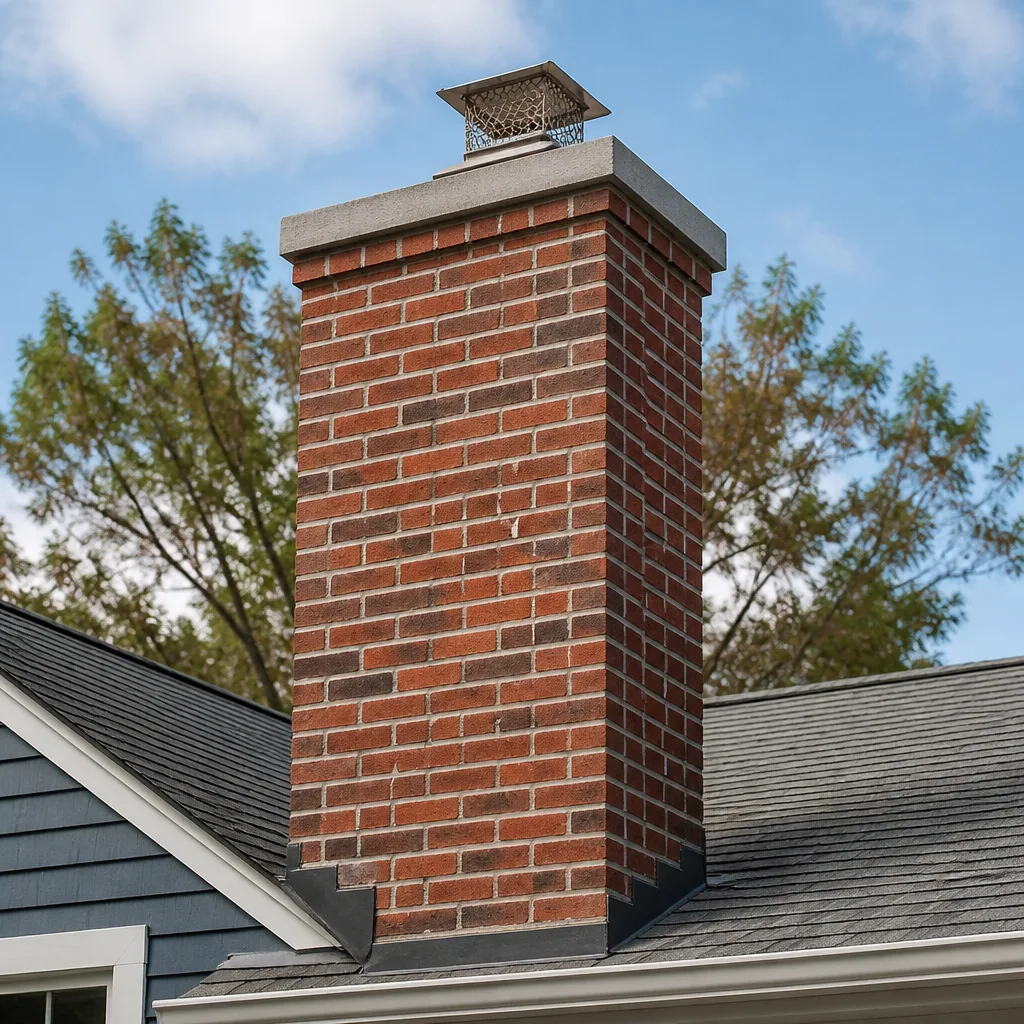 Masonry repair
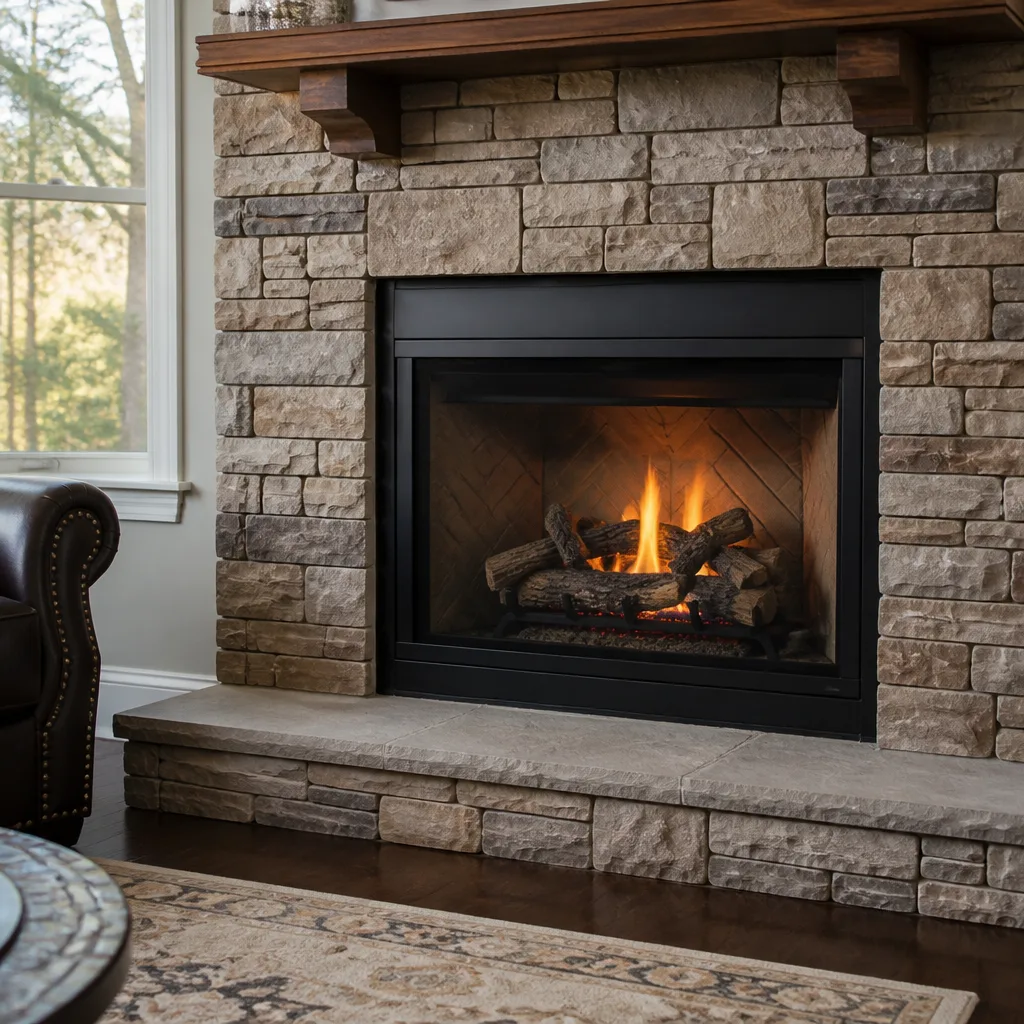 Gas fireplace service
Level 1 sweep and inspection to the NFPA 211 annual standard - flue, crown, cap, and flashing checked and photographed
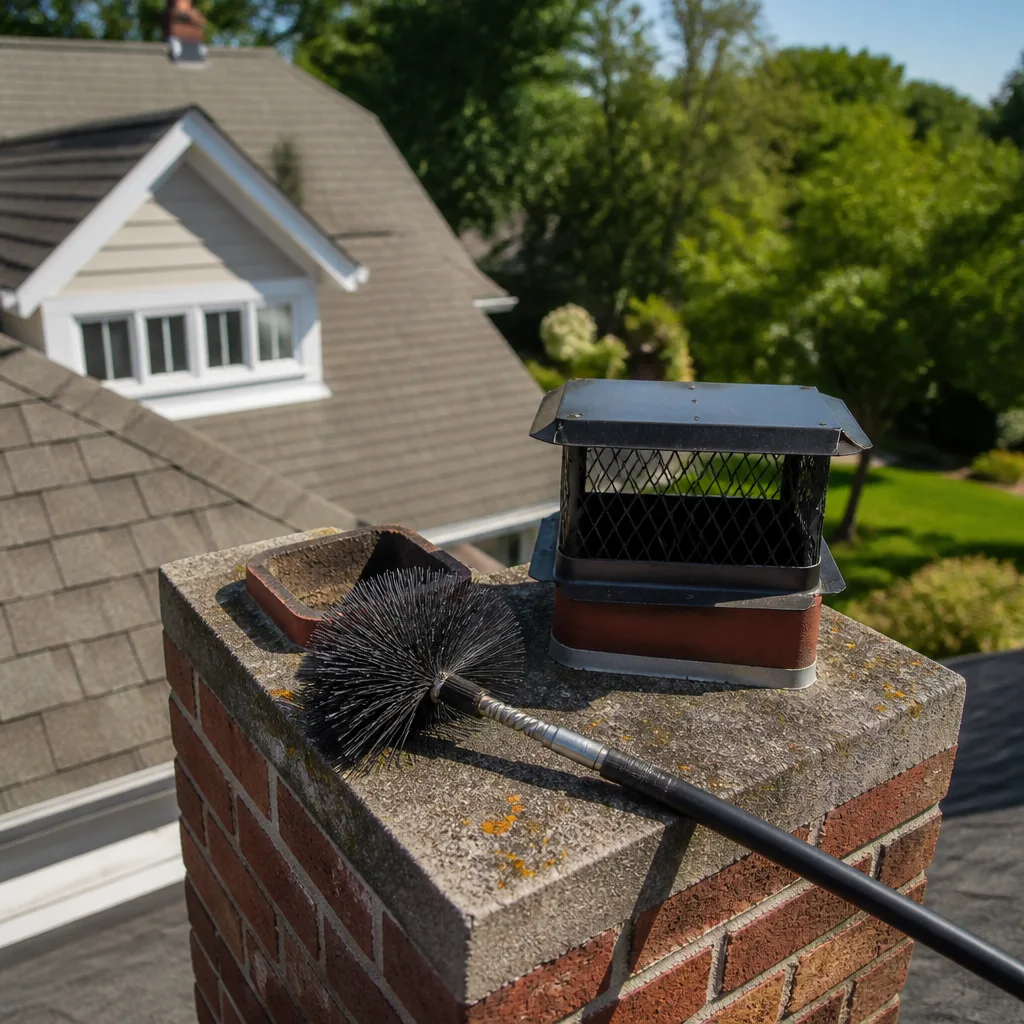
Chimney sweep logs do not sweep chimneys. They loosen some creosote - which then falls where a brush and vacuum still have to collect it.
Seasonal Chimney Cleaning Care for Lakewood: Year-Round Homeowner’s Guide
Most Lakewood homeowners think about the chimney exactly once a year, usually the week the first cold front hits. That’s the wrong week. By then every sweep in the metro is booked out, the weather is working against you, and any damage that accumulated quietly over spring and summer gets discovered at the worst possible moment. The better approach is to treat chimney care as a seasonal calendar rather than a fall ritual. Late May is genuinely the best time to book a sweep in Lakewood, and almost nobody does it. This guide walks through what each season asks of a chimney in our particular climate, so you can catch problems early instead of paying for them later.
Styles & brands we work with
- Sweep & inspection
- Caps & crowns
- Flue relining
- Masonry repair
- Gas fireplace service
Quick Answer
Chimney care in Lakewood should follow a four-season cycle: inspect the crown, flashing, and masonry in spring after the freeze-thaw season; sweep and screen the cap in summer before humidity sets in; verify the damper and liner before the first fire in fall; and check for heavy creosote buildup mid-winter if you burn more than three cords. Lakewood’s high altitude and dry air shift this timeline earlier than most national guidelines suggest, and catching damage in spring costs far less than repairing it in fall.
Table of Contents
- Spring: The Inspection Window Most Homeowners Skip
- Summer: The Case for an Off-Season Sweep
- Fall: Before the First Fire
- Winter: Mid-Season Checks for Heavy Use
- How Lakewood’s Altitude and Dry Climate Change the Timeline
- Signs Your Chimney Needs Attention Right Now
- Common Mistakes to Avoid
- When to Call a Professional
- Frequently Asked Questions
Spring: The Inspection Window Most Homeowners Skip
Spring is the most valuable chimney appointment of the year in Lakewood, and it’s the one people cancel. After a winter of freeze-thaw cycles, the masonry has taken its annual beating. Water gets into hairline cracks, freezes overnight, expands, and widens the crack. By the time you notice anything from the ground, that small crack has had months to grow. A spring inspection catches it while it’s still small and cheap to address.
What we’re looking at in spring:
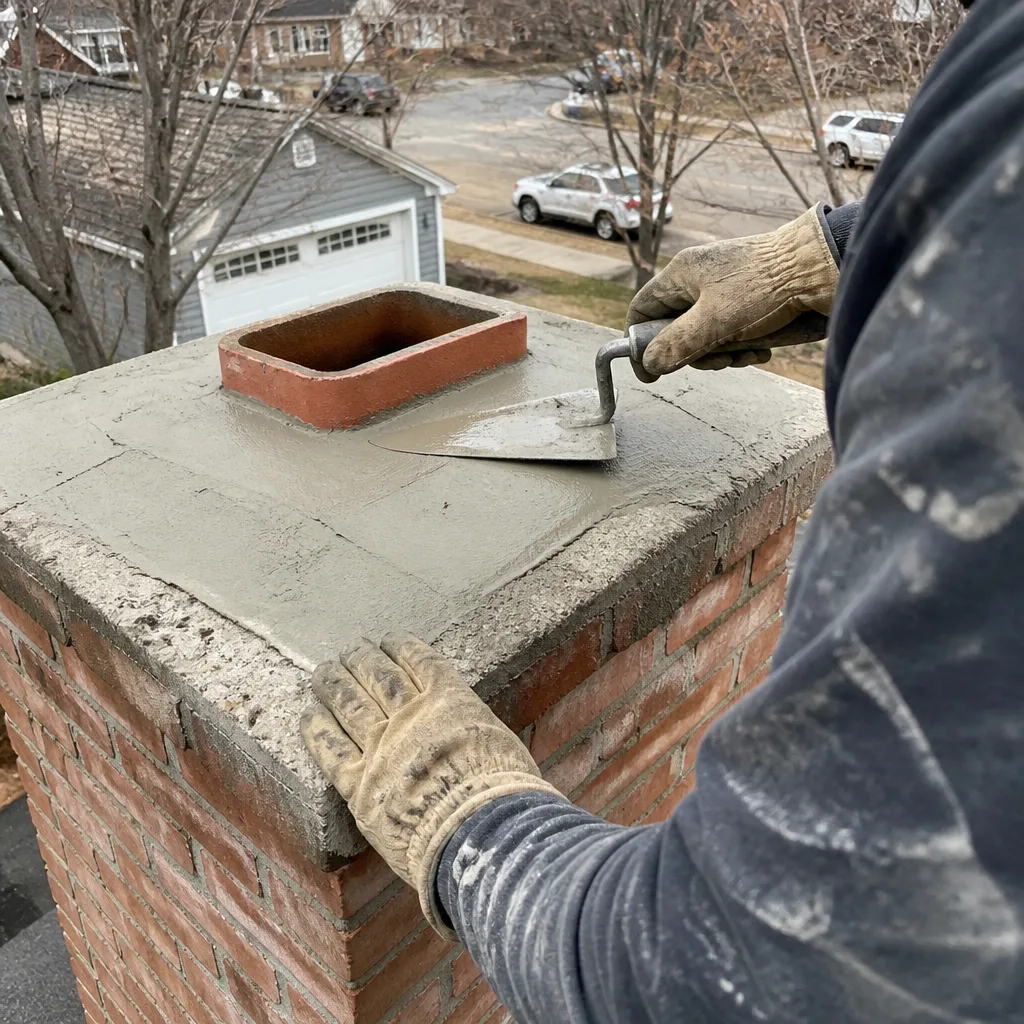
- The crown. The concrete cap at the top of the chimney takes the most weather of any part of the structure. Hairline cracks that open over winter let water into the chimney’s core, where it does the most damage.
- Flashing. The metal seal where the chimney meets the roof is the single most common source of water intrusion in Lakewood homes. It fails quietly and shows up as a ceiling stain months later.
- Masonry and mortar joints. Spalling brick and crumbling mortar after a hard winter are early signals that moisture is already inside the structure.
- The liner. A camera inspection in spring reveals cracking or deterioration that developed over the heating season, so you have all summer to plan the repair rather than discovering it in October.
Why spring specifically? Because if you defer this to fall, the summer monsoon season and the fall temperature swings have already added months of moisture exposure to whatever damage is there. Repairing in June is preventive; repairing in October is reactive, and reactive is always more expensive because the damage has spread.
Summer: The Case for an Off-Season Sweep
Here’s the counterintuitive part: summer is the best time of year to book a chimney sweep in Lakewood. Demand drops, appointments are easier to get, and – equally important – the work gets done before the most humid weeks of the year. Creosote is hygroscopic. It absorbs moisture from the air, which makes it more acidic and more corrosive to the flue liner. A summer sweep removes that creosote before it has a chance to sit through the wettest part of the season.
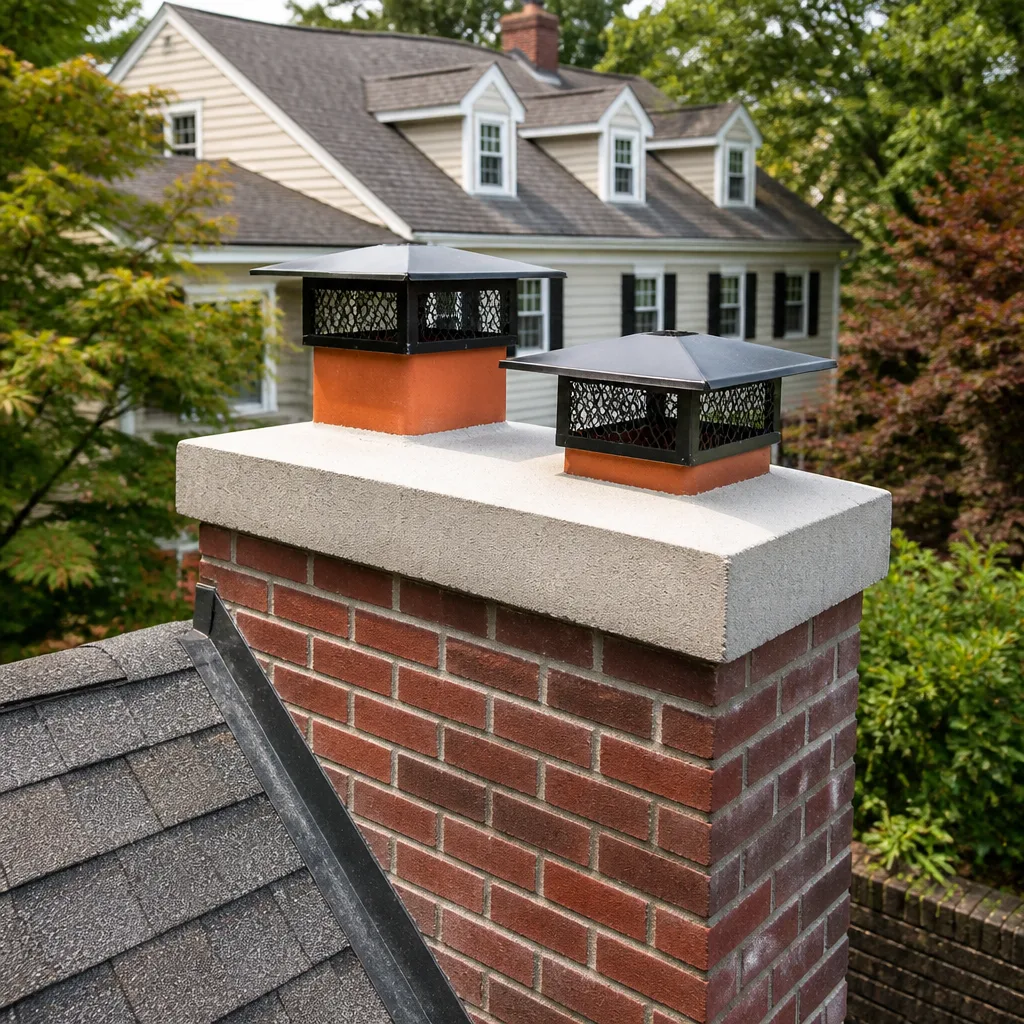
Summer is also the right window for the two things that protect a chimney from the inside out: capping and screening. Nesting birds, squirrels, and raccoons look for exactly what a chimney offers in spring and early summer – a sheltered, warm, dark column. A properly fitted cap with a screen stops that. We install trade-grade cap products, including Famco and Copperfield, because those are built to survive a Colorado hailstorm, not just a light rain.
Summer work includes:
- Full sweep and creosote removal before the humid stretch.
- Cap and screen inspection or replacement to exclude birds and animals.
- Crown repair while the weather is dry and the mortar cures reliably.
- Liner assessment so any repair can be scheduled well ahead of fall.
- Flue restoration if the liner qualifies – we use HeatShield resurfacing to restore damaged flues without a full tear-out.
The best part of a summer sweep is that you have all fall to plan any repair. Nothing is urgent when you find it in July.
Fall: Before the First Fire
Fall is the season everyone thinks of, and it does matter – but it should be the confirmation step, not the discovery step. If you’ve done your spring inspection and summer sweep, the fall check is quick. If you haven’t, this is where surprises live.
The two components to verify before the first fire of the season:
Damper function
A damper that sticks, doesn’t close fully, or doesn’t open smoothly means you’re either losing heat up the chimney or getting smoke into the room. In Lakewood’s high-altitude air, a partially functioning damper is more noticeable than it would be at lower elevations because the fire needs more air to burn cleanly. Test it manually. If it doesn’t move freely, that’s a fireplace repair item that should be handled before you light the first fire, not after.
Liner integrity
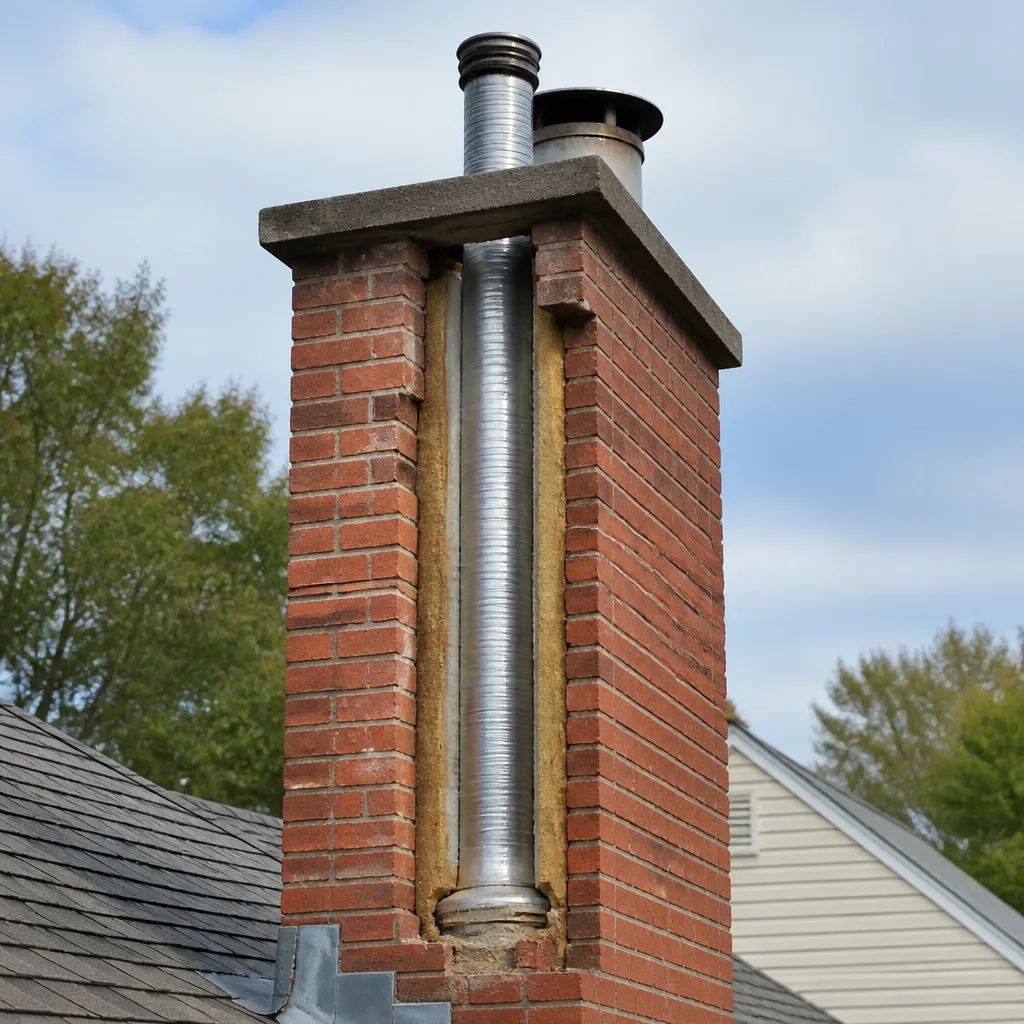
The flue liner is your primary barrier between combustion gases and the structure of your home. A cracked or deteriorated liner is a carbon monoxide pathway and a potential fire pathway. Visual inspection from the top only shows you the top. Camera inspection reveals the whole run. This is why we inspect first, then recommend – no camera image, no recommended repair. Fall is when a compromised liner is most dangerous because the burn season is about to start.
If your fall check reveals a damaged flue that qualifies for resurfacing, HeatShield can often restore it without the cost and disruption of a full liner replacement. If the flue has offsets or an irregular path that a rigid liner can’t navigate, a DuraFlex flexible system handles configurations that rigid products can’t reach. And if you need a new cap before winter, Gelco and Olympia Chimney products are our trade-grade options. All of this is one company from inspection through completed repair: no handoff mid-project.
Winter: Mid-Season Checks for Heavy Use
Winter is when the chimney works hardest, particularly in Lakewood households that burn more than three cords of wood between November and March. Once you’re past the three-cord mark, a mid-season check is worth scheduling – not because anything has necessarily gone wrong, but because heavy use accelerates creosote accumulation and the risk of Stage 2 creosote formation rises sharply.
Stage 2 creosote looks like a hard, shiny, tar-like glaze on the flue walls. It’s the most combustible grade of creosote and it’s also the hardest to remove – a standard brush pass won’t take it off. If you see or suspect Stage 2 buildup, that’s not something to handle yourself. A trained technician uses the right equipment and can tell you whether the flue is safe to keep using or needs a professional removal and possibly liner repair.
What to watch for mid-winter:
- Smoke rolling back into the room when you open the glass doors.
- A stronger-than-usual smell of smoke in the house, especially on cold, still days.
- A black, glassy sheen on the flue when you look up from the firebox.
- Crumbling or flaking debris inside the firebox or on the hearth.
- Visible cracks in the firebox masonry or the firebrick joints.
If any of those show up, don’t keep burning until a technician has inspected it. A mid-season sweep is a modest investment compared with what a chimney fire or liner failure would cost you.
How Lakewood’s Altitude and Dry Climate Change the Timeline
National chimney-care guidelines assume a certain average climate: moderate humidity, mild winters, sea-level air density. Lakewood doesn’t match any of those. That’s why local timing matters more than the generic “sweep once a year” advice you’ll find in most places.
Three changes to the standard timeline:
- The burn season starts earlier and ends later. At Lakewood’s elevation along the Front Range, cool nights arrive before the foliage does and persist into spring. That extends the working life of the chimney each year, which means more creosote accumulation per season.
- Freeze-thaw comes on more abruptly. The rapid temperature swings common on the Front Range put more stress on mortar joints, the crown, and flashing than a slow seasonal transition would. Spring inspection therefore matters more here than in a milder climate, because the damage window is tighter and the damage is more severe.
- Dry air means creosote behaves differently. Dry firewood and low ambient humidity produce a drier, more powdery early-stage creosote, which is easier to remove – but the dry conditions also mean a small spark near a cracked crown or a dry liner has an easier path to ignition. That’s why we lean hard on the crown and cap inspection in Lakewood specifically.
Roughly speaking: use the national guidance as a baseline, but shift everything two to four weeks earlier and add a mid-winter check if you’re a heavy burner. That’s the Lakewood adjustment.
Signs Your Chimney Needs Attention Right Now
Some things can wait until your next scheduled appointment. Others can’t. These belong in the second category:
- A strong creosote smell in the house. Especially in warm weather, when the chimney isn’t drafting. That smell is creosote vaporizing – it’s a warning that there’s more buildup than the flue should carry.
- Smoke coming back into the room. Draft reversal can be a damper issue, a blockage, or a pressure problem. Don’t keep burning until you know which.
- Water stains on the chimney or ceiling. Water is getting in, and the flashing or crown is almost always the source.
- Visible cracking on the exterior. Spalling brick, crumbling mortar, or a cracked crown signals moisture damage that will worsen with every passing season.
- Rust or corrosion on the firebox or damper. That’s moisture, and moisture doesn’t come from inside a healthy chimney.
- Animals or debris visible in the flue. A blocked flue is a fire and carbon monoxide hazard. Stop using the fireplace.
If you see any of these, don’t wait for your scheduled appointment. Call and get it looked at now.
Common Mistakes to Avoid
- Waiting until the first cold snap. By then every sweep in Lakewood is booked, the price competition is gone, and you’re negotiating from a position of urgency. Book in spring or summer instead.
- Treating a sweep as a once-a-year checkbox. A sweep removes what’s there. It doesn’t tell you what’s wrong. An inspection with a camera tells you what’s wrong. They’re different services, and the inspection is where the real value lives.
- Ignoring the crown because it’s “just concrete.” The crown is the roof of your chimney. When it cracks, water gets in, and water is the single most destructive force on a masonry chimney in Lakewood. A cheap crown repair now prevents a structural one later.
- Assuming a screen-free cap is good enough. An open cap shields from rain but invites birds, squirrels, and raccoons. A cap with a screen is the standard for a reason, and trade-grade brands like Famco and Copperfield survive the hail that the hardware-store version won’t.
- Skipping the mid-winter check when burning heavy. If you’re past three cords, once-annual care isn’t enough. The buildup is faster than the schedule assumes.
- DIY creosote removal when you see glaze. Stage 2 creosote won’t respond to a brush. Misdirected effort at a hard tar deposit is a fast way to damage the liner or injure yourself. This is a trained-technician job.
- Deferring liner issues because the fire still burns. A fire burns with a cracked liner too. It just isn’t safe. Damage that shows up on camera is damage that needs to be addressed before the next burn season, not after.
When to Call a Professional
Call a professional for any of the following, no exceptions: a strong creosote smell in the house even in warm weather; smoke rolling back into the room when the fireplace is running; water stains on the ceiling, walls, or the outside of the chimney; visible cracks or spalling on the exterior masonry; a firebox or damper showing signs of rust; or any suspicion of Stage 2 creosote formation. Also call if it’s simply been a year since the last inspection – even if nothing looks wrong. Camera inspection is the only way to find a cracked liner before it becomes a carbon monoxide path. Chimney Sweep Lakewood Pros offers free estimates in Lakewood. Call (877) 792-6835. We answer 24/7. Fast dispatch from 7am to 7pm, Sunday through Friday.
Frequently Asked Questions
A standard chimney sweep in Lakewood is priced per job, and the written estimate sets the final price. Prices vary based on the flue configuration, the level of creosote, and whether any additional services are needed. We give you a flat price before we start, so there are no surprises. Call (877) 792-6835 for an exact quote – estimates are free.
Once a year is the baseline for most households, but in Lakewood the altitude and dry climate push the working season longer. If you burn wood regularly, the practical answer is once before the season starts (ideally summer, so you have time to address anything the inspection finds) and a mid-season check if you’re burning more than three cords. Gas fireplaces still benefit from annual inspection even if they don’t produce creosote.
Not necessarily. This is the most common upsell in the trade, and it’s also a legitimate need in some cases. The honest answer: we don’t recommend a liner replacement unless the camera inspection shows something that justifies it, and we show you the images before we recommend anything. In chimneys where the flue is intact but worn, HeatShield resurfacing can often restore it without a full tear-out. You see the evidence before you decide.
Sometimes nothing. But you’re skipping the only reliable way to find out. The risks that get missed: a cracked liner (carbon monoxide path), a failing crown (moisture damage compounding over years), and Stage 2 creosote (chimney fire risk). None of those announce themselves until the situation is serious. The annual camera inspection is how you find them while they’re still cheap to fix.
Summer is actually the best time to schedule in Lakewood. Demand is lower, appointments are easier to get, and you get a full summer to plan any repairs that come up. Sweeping before the humid weeks also removes creosote before it has a chance to absorb moisture and turn more corrosive. Booking in July is a smarter move than booking in October.
A sweep is a cleaning – it removes soot and creosote from the flue. An inspection is a diagnostic – it looks for damage, deterioration, cracks, and other issues the sweep wouldn’t remove. Both matter, but if you only do one, do the inspection. A sweep gives you a clean chimney; an inspection tells you whether the clean chimney is safe. At Chimney Sweep Lakewood Pros we do both, and we include a camera inspection and photo report with our work so you can see exactly what we see.
The Bottom Line
Lakewood’s chimney calendar is a four-season cycle, not a fall checkbox. Spring inspection catches freeze-thaw damage while it’s small. Summer sweep removes creosote before the humid weeks and screens the cap before nesting season. Fall verification of the damper and liner ensures the first fire of the year is safe. Winter mid-season checks address the faster buildup that heavy use creates. And because Lakewood’s altitude and dry climate shift the standard timeline earlier, all four steps matter more here than the generic national advice suggests. The best time to book your first appointment is now – and the best time to start the year-round routine is this season. For a chimney cap & crown inspection, a sweep, or a full checkup, Chimney Sweep Lakewood Pros handles the full lifecycle. Our technicians have up to 11 years of experience working with professional-trade brands like DuraFlex, HeatShield, Gelco, Olympia Chimney, Famco, and Copperfield – trade-grade materials, not hardware-store substitutes.
Call (877) 792-6835 for a free estimate. We answer 24/7. Fast dispatch from 7am to 7pm, Sunday through Friday.
Written by the team at Chimney Sweep Lakewood Pros.
See the difference
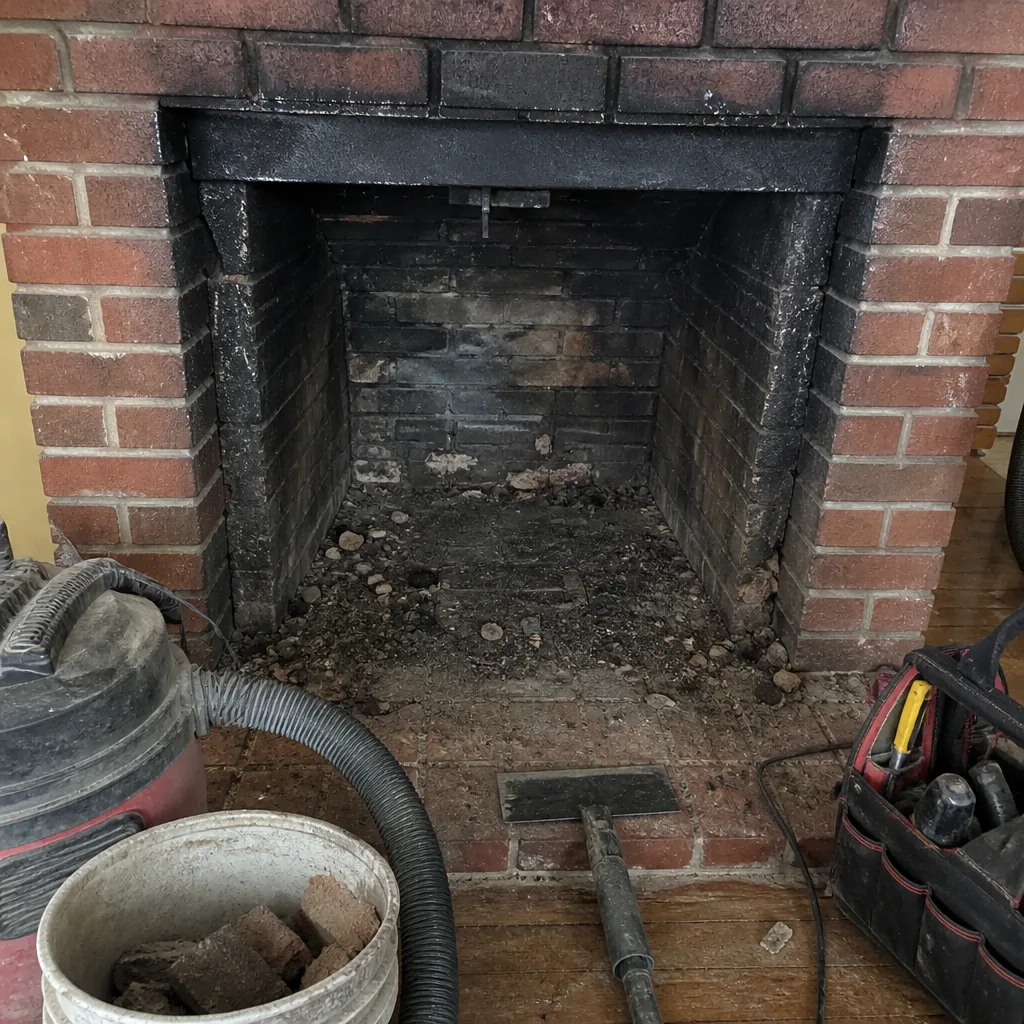 Before
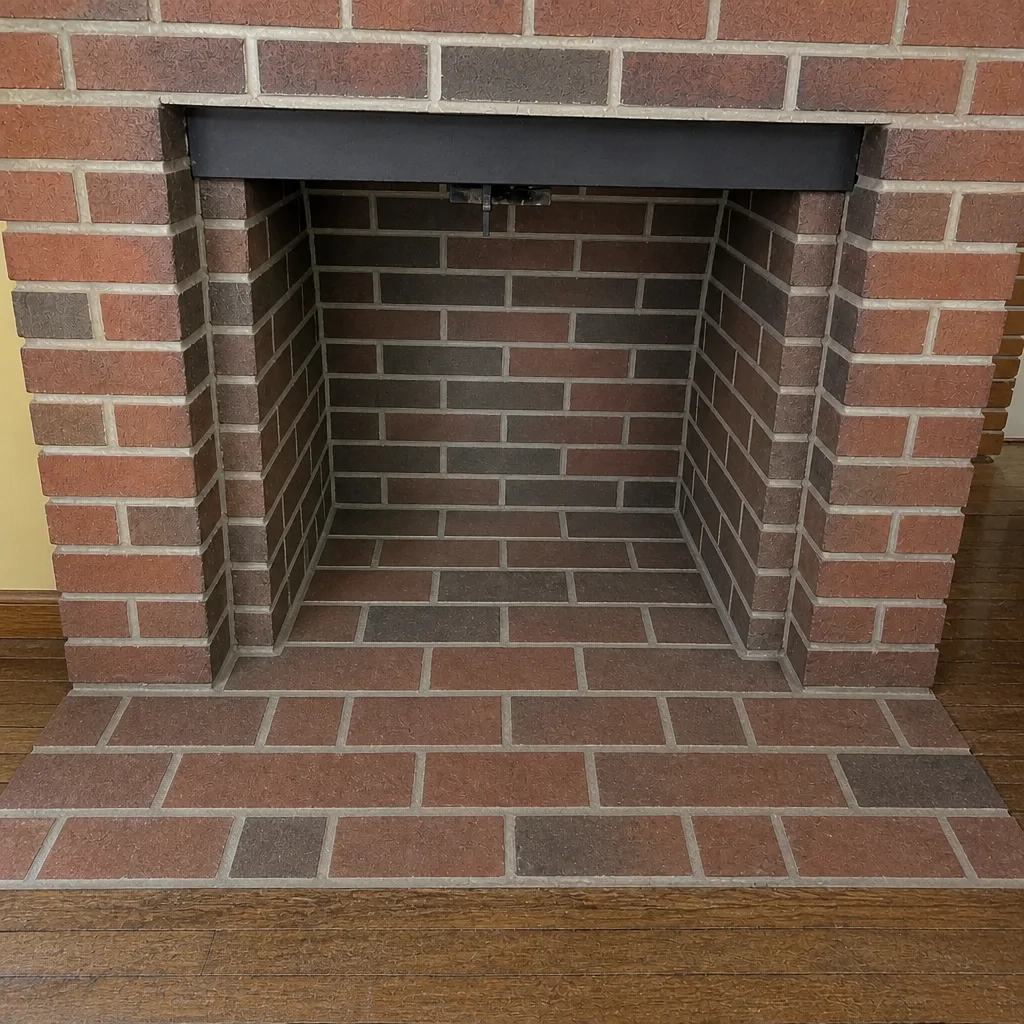 After
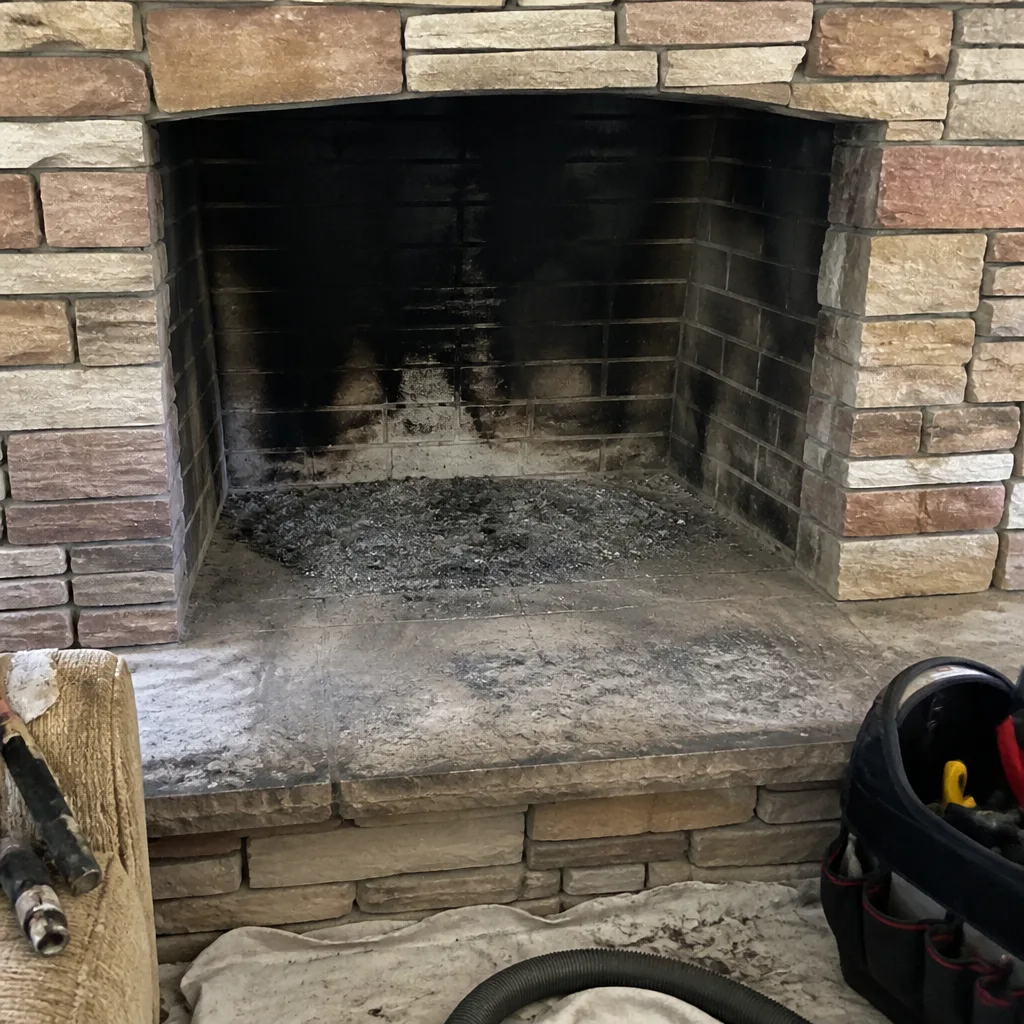 Before
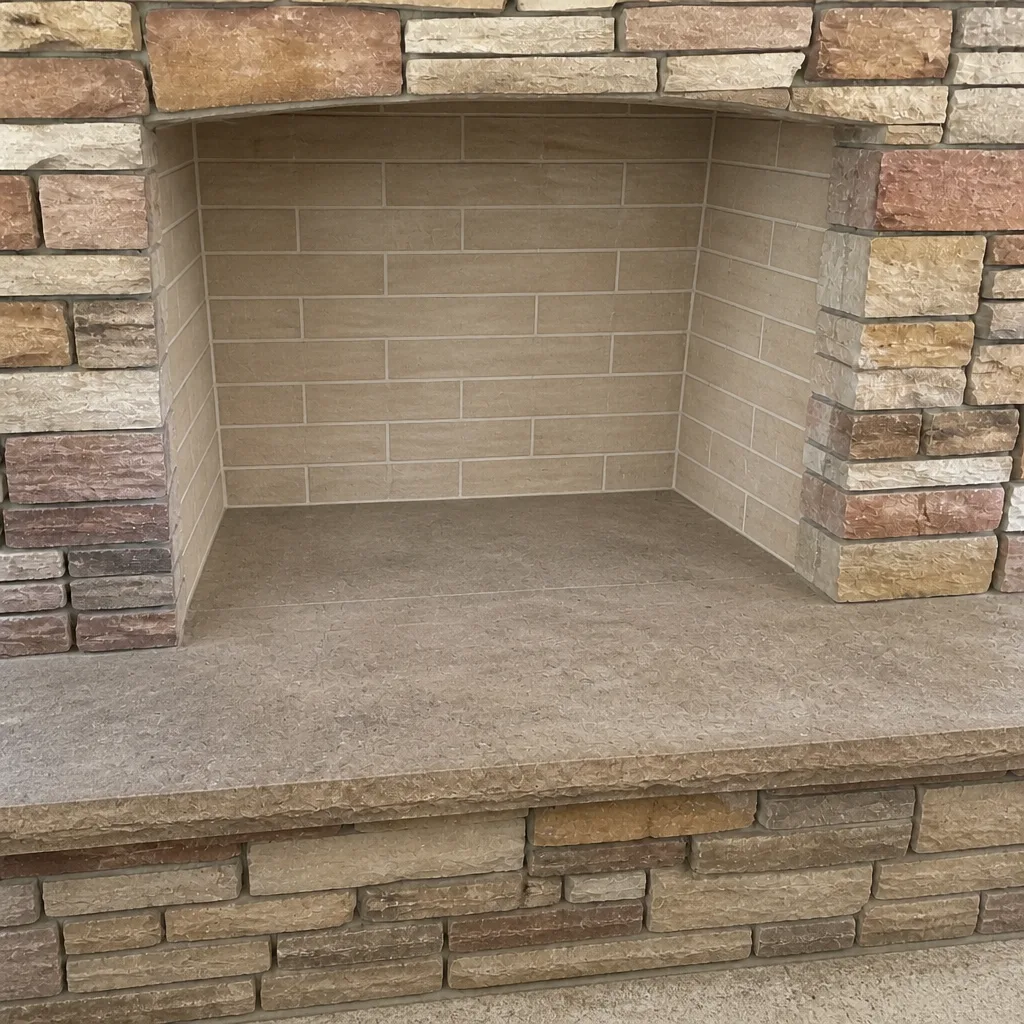 After
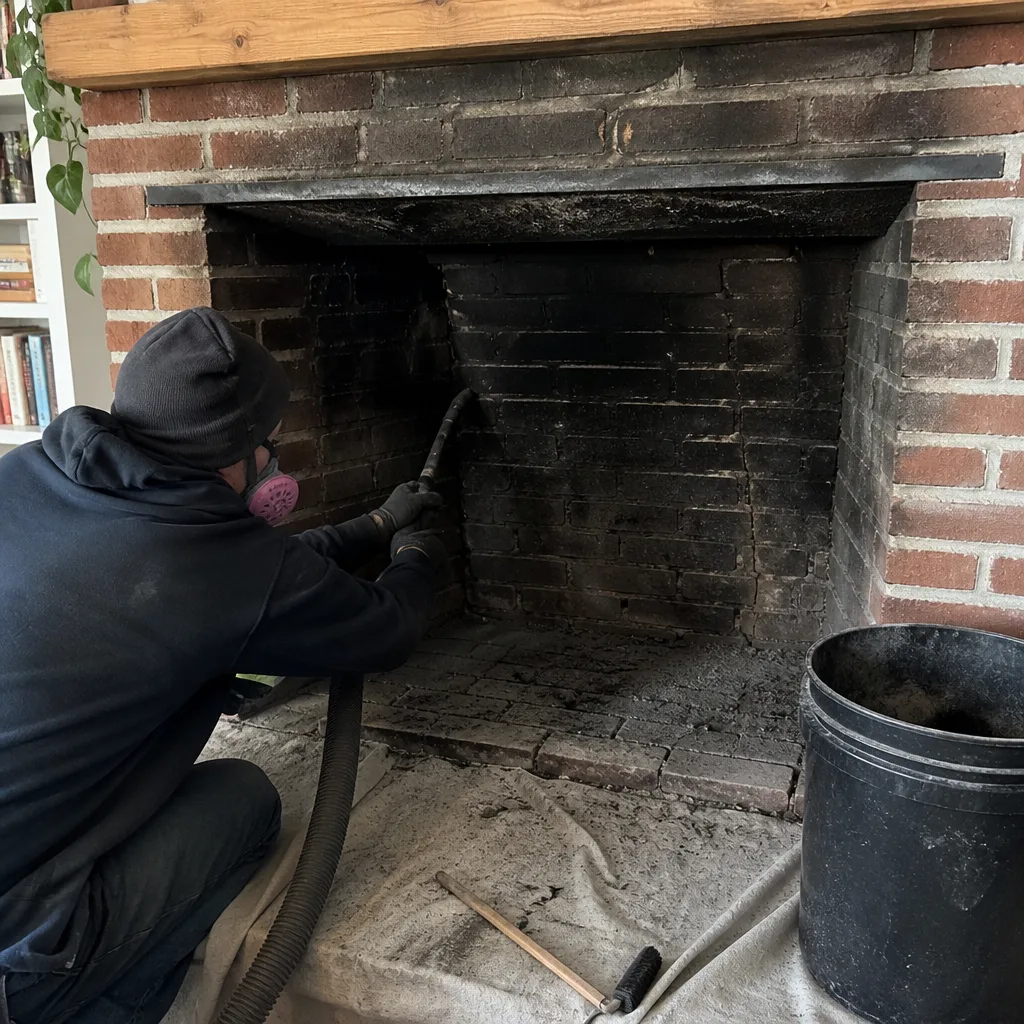 Before
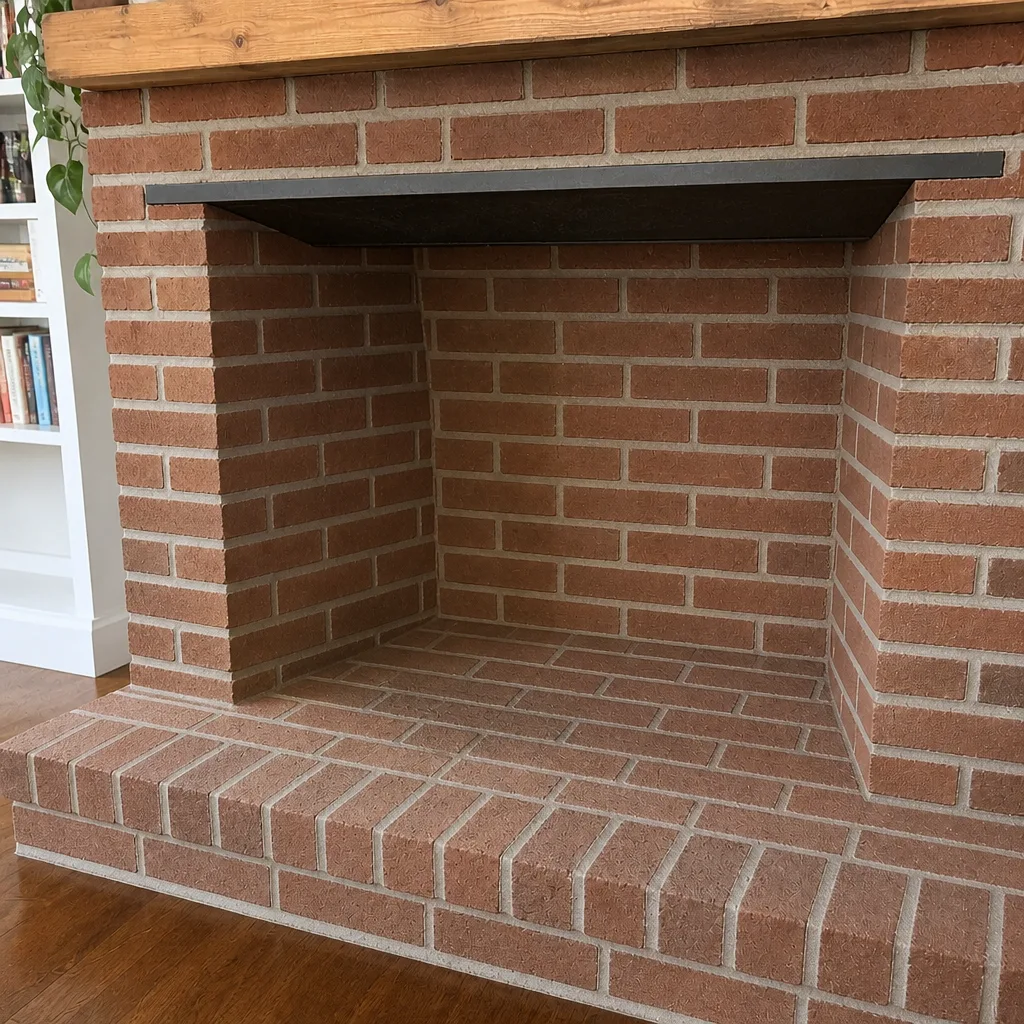 After