
Last updated November 23, 2026
 Sweep & inspection
 Caps & crowns
 Flue relining
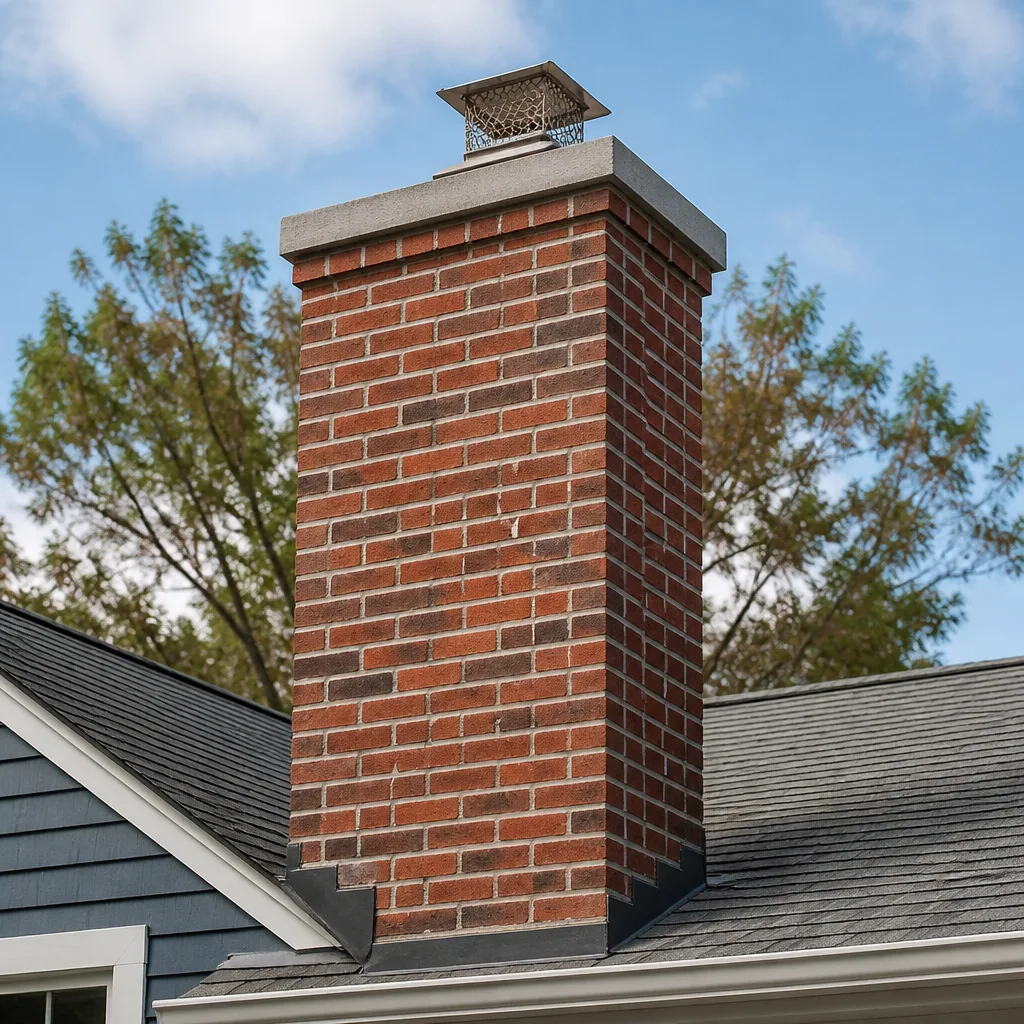 Masonry repair
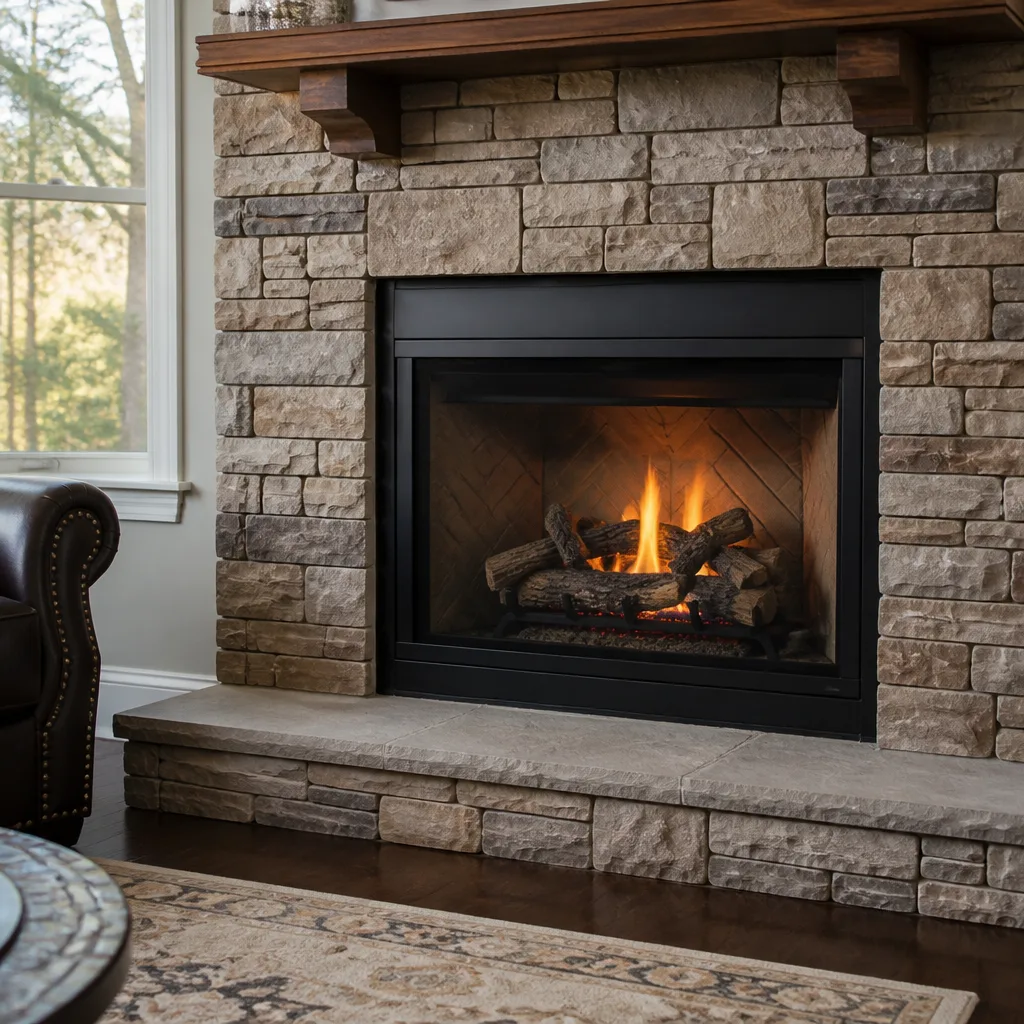 Gas fireplace service
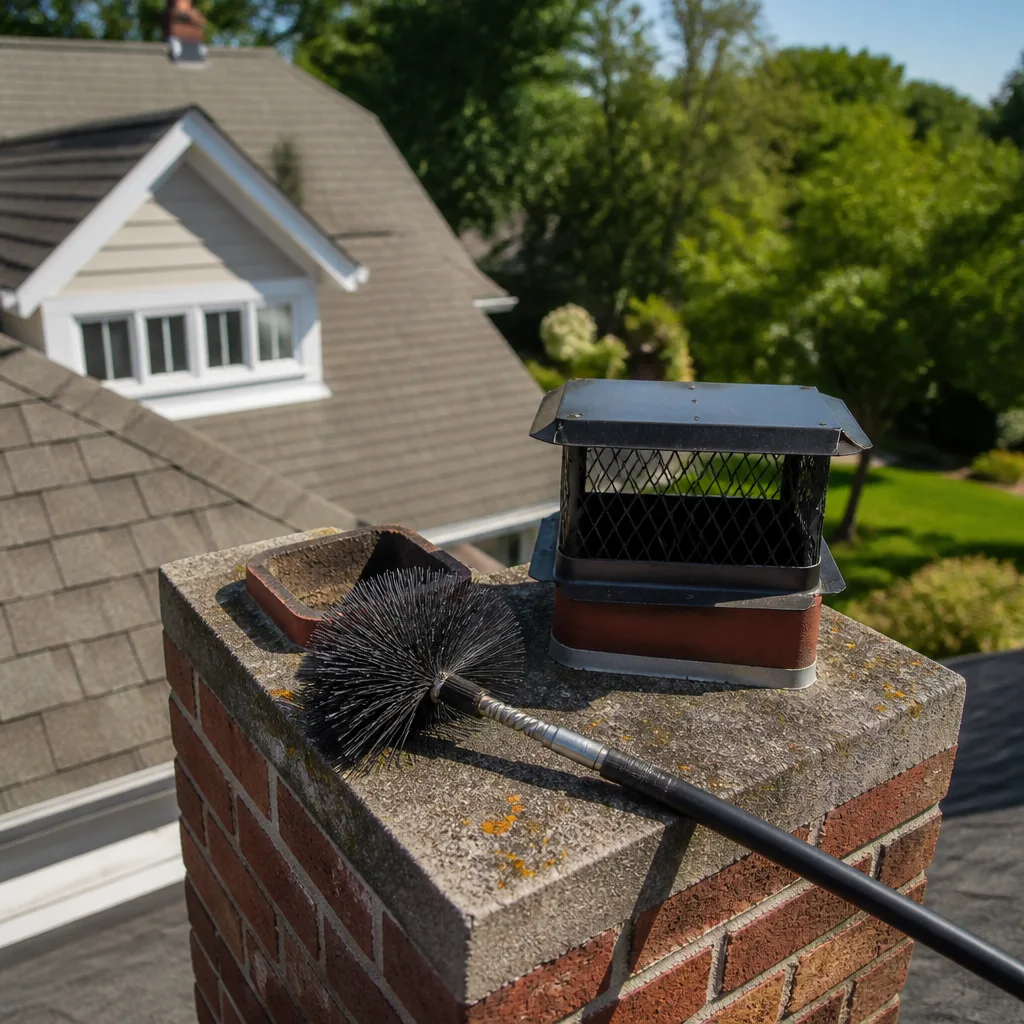
Level 1 sweep and inspection to the NFPA 211 annual standard - flue, crown, cap, and flashing checked and photographed
Chimney sweep logs do not sweep chimneys. They loosen some creosote - which then falls where a brush and vacuum still have to collect it.
How to Hire a Chimney Cleaning Contractor in Lakewood: A Step-by-Step Guide
Most Lakewood homeowners assume a chimney sweep is a chimney sweep. Here’s the problem: Colorado has no state-issued chimney contractor license, which means anyone with a brush and a ladder can legally advertise chimney cleaning in Lakewood. CSIA certification is a voluntary credential, not a license, and it is not required to hang out a shingle. That single fact changes how you should vet a contractor. In this guide, we’ll walk through the credentials that actually mean something, the materials question most homeowners never ask, the red flags hiding in a typical quote, and how to build a written scope of work before anyone touches your roof.
Quick Answer
To hire a chimney cleaning contractor in Lakewood, verify a voluntary third-party credential (CSIA or NFI), confirm current general liability and workers’ comp coverage in writing, ask which inspection level the visit includes, and get a written scope that names materials and line items before work begins. Because Colorado issues no chimney contractor license, none of these checks happen automatically. You have to ask, and a professional will be glad you did.
Styles & brands we work with
- Sweep & inspection
- Caps & crowns
- Flue relining
- Masonry repair
- Gas fireplace service
Table of Contents
- Why Colorado Has No Chimney License (and What Replaces It)
- CSIA, NFI, and NCSG: What Each Credential Actually Verifies
- The Inspection Level Question Most Homeowners Skip
- How to Verify Insurance Before Anyone Walks Your Roof
- Materials: Trade-Grade vs. Hardware-Store Substitutes
- Red Flags in a Chimney Quote
- What a Written Scope of Work Should Include
- The Vetting Checklist: Seven Steps Before You Sign
Why Colorado Has No Chimney License (and What Replaces It)
Colorado does not license chimney contractors. There is no state exam, no state-issued credential, and no registry to check. A general contractor’s license, where one exists locally, does not cover the specific work of flue inspection, liner assessment, or crown repair. That gap is why the vetting burden lands on you.
What fills the gap is a mix of voluntary certification and insurance. Certification bodies set training and testing standards. Insurers and general liability carriers set their own bar for who they’ll cover. Neither is a government guarantee, but together they tell you whether a contractor has invested in anything beyond a brush and a business card.
In Lakewood, the practical effect shows up in who’s quoting. Established chimney specialists and general handymen who’ve added chimney cleaning to a menu of other services both advertise the same service. The quote sheets often look similar. The difference is what sits behind them: documented training, documented coverage, and documented process.
One more layer matters here. Many Lakewood homes sit in older neighborhoods where original chimneys have been through decades of freeze-thaw cycles. A contractor who doesn’t understand how a clay tile flue behaves after repeated winters is a risk, regardless of what they charge. The next sections break down how to tell the difference before you book.
CSIA, NFI, and NCSG: What Each Credential Actually Verifies
Three acronyms come up constantly in chimney hiring. They are not interchangeable, and knowing what each one covers tells you what a technician has actually been trained to do.
- CSIA (Chimney Safety Institute of America): A certification program for chimney sweeps and technicians. It involves an exam covering inspection standards, venting, and safety practices, plus continuing education to maintain. It signals that a technician has been tested on industry standards rather than trained informally on the job. CSIA also publishes a searchable directory of certified professionals, which gives you a way to verify a claim directly.
- NFI (National Fireplace Institute): A certification focused on hearth appliances: wood stoves, gas fireplaces, and the venting systems attached to them. An NFI-certified technician has been tested on installation and service standards for specific appliance categories. This matters when your fireplace repair involves the appliance itself, not just the flue.
- NCSG (National Chimney Sweep Guild): A trade membership organization, not a certification. Membership signals that a company participates in the professional community and generally follows its code of ethics. It does not by itself verify an individual technician’s training, so treat it as a supporting signal, not a substitute for CSIA or NFI.
The point of separating these: a company can belong to NCSG without any individual on the crew holding CSIA certification. When you ask, ask specifically which credential, held by whom, and whether it’s current. A straightforward answer is a good sign. A vague one is the answer.
The Inspection Level Question Most Homeowners Skip
Chimney inspections are categorized by level, and the level determines what actually gets checked. Most homeowners never ask, and that’s exactly how a cheap sweep turns into a surprise liner recommendation. Industry standards describe three levels:
- Level 1: A visual inspection of readily accessible portions of the chimney and venting, done with the appliance connected. Appropriate for a chimney under continued routine use with no changes to the system.
- Level 2: Everything in a Level 1 plus inspection of accessible areas that a Level 1 can’t reach, typically using a camera. Standard after a change in fuel type, appliance change, a chimney fire, an earthquake, or a property sale. This is the level most real estate transactions call for.
- Level 3: Everything in Level 2 plus access to concealed areas, which can mean opening walls or removing parts of the chimney. Reserved for specific, diagnosed concerns.
Ask upfront which level the quoted price covers. If the answer is “a sweep and a look,” you’re getting a Level 1, and that’s fine for routine maintenance. But if anyone then recommends liner work, ask what evidence supports the recommendation and whether a camera documented it. A recommendation without a camera record is a guess dressed as a finding.
We inspect first, then recommend. When we perform a chimney sweep in Lakewood, the camera inspection and photo report are part of the job so you can see the flue condition yourself rather than take our word for it. Our technicians have up to 11 years of experience, and in that time the single most common source of mistrust we run into is a homeowner who was told they needed work they couldn’t verify.
How to Verify Insurance Before Anyone Walks Your Roof
Roof access is the part of chimney work with the real liability exposure. A technician on your roof can fall. A dropped tool can damage the roof or injure someone below. If the contractor isn’t properly covered, the claim can land on your homeowner’s policy or on you personally.
Two coverages matter, and they do different jobs:
- General liability covers property damage and third-party injury caused by the contractor’s work. This is what protects your roof and your home.
- Workers’ compensation covers the contractor’s own employees if they’re injured on the job. Without it, an injured worker may look to you or your homeowner’s policy for medical costs.
How to verify, in order:
- Ask for a certificate of insurance naming both coverages and their current policy periods.
- Call the insurance carrier listed on the certificate and confirm the policy is active. Certificates can be outdated or altered.
- Ask whether the coverage extends to everyone who’ll be on your property, including any helpers. If a contractor uses uninsured helpers, the coverage gap follows them onto your roof.
- Get the confirmation in writing before the appointment, not on the day of the visit.
A professional will have this ready without friction. If getting a certificate takes a week of follow-up, that’s information worth having before you book.
Materials: Trade-Grade vs. Hardware-Store Substitutes
This question separates specialists from generalists more reliably than any other. Chimney work uses specific products, and the cheap versions fail in ways that show up a few seasons later. Ask what brand goes on each component, and listen for names you can look up.
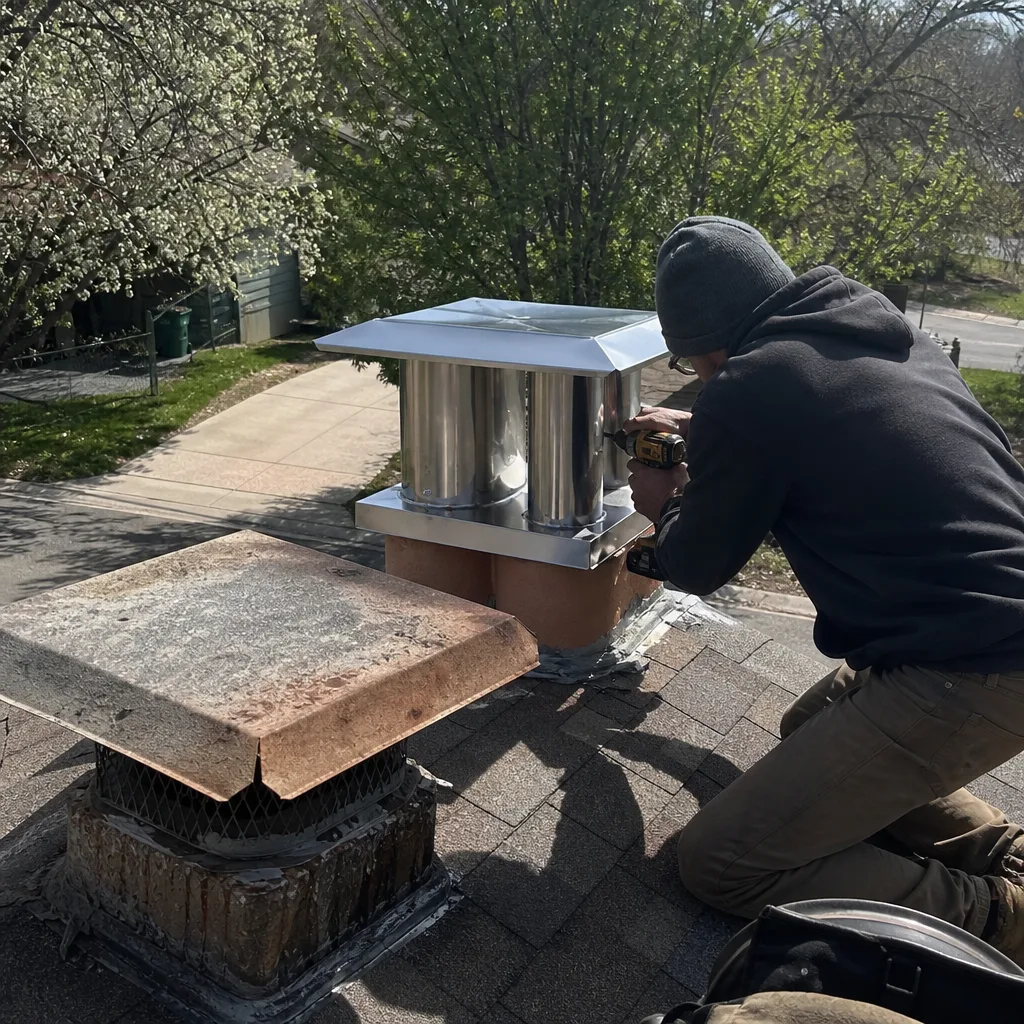
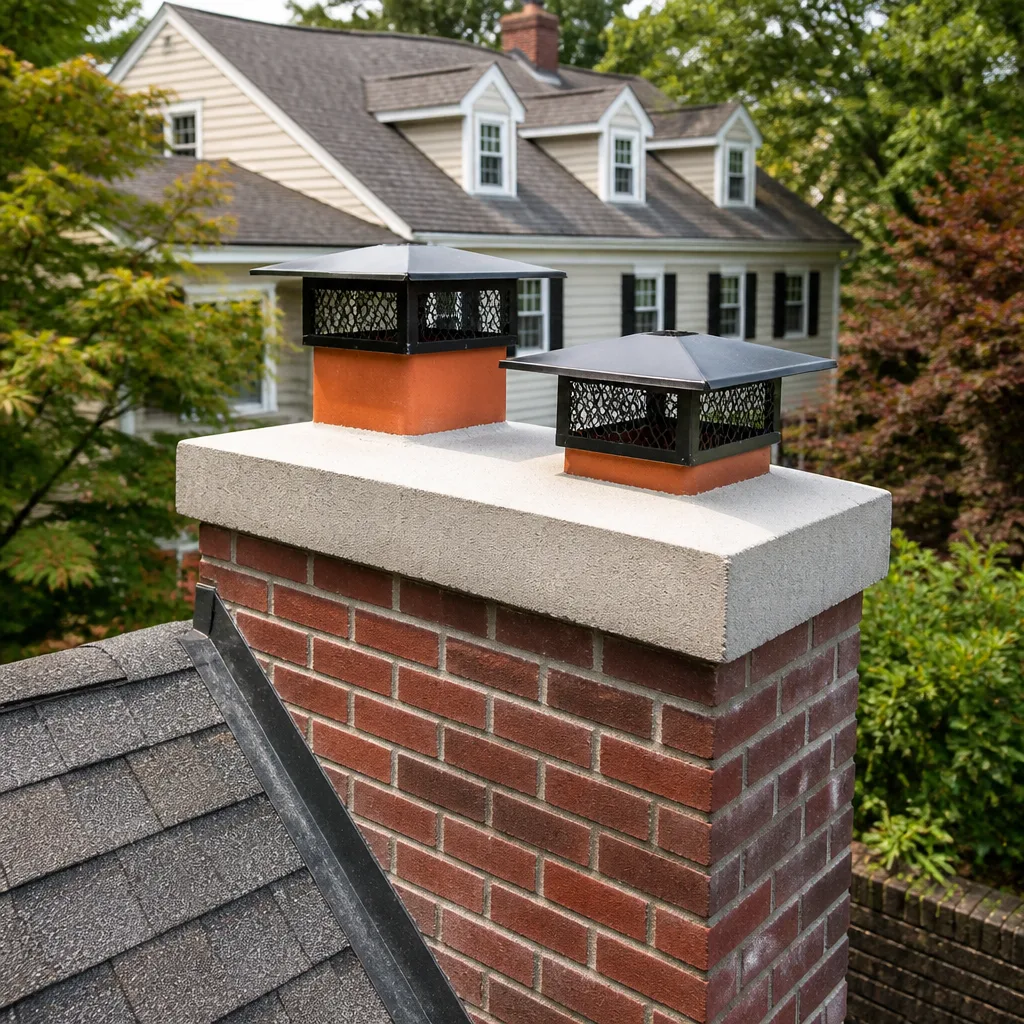
Caps are a good test. A proper cap keeps rain, snow, and animals out of the flue while allowing exhaust to vent correctly. A commodity cap from a hardware store often does neither well in Colorado’s freeze-thaw cycles. Trade-standard cap products like those from Gelco or Famco are built for the job. On a chimney cap & crown installation, the right products are the difference between a repair that holds and one you repeat.
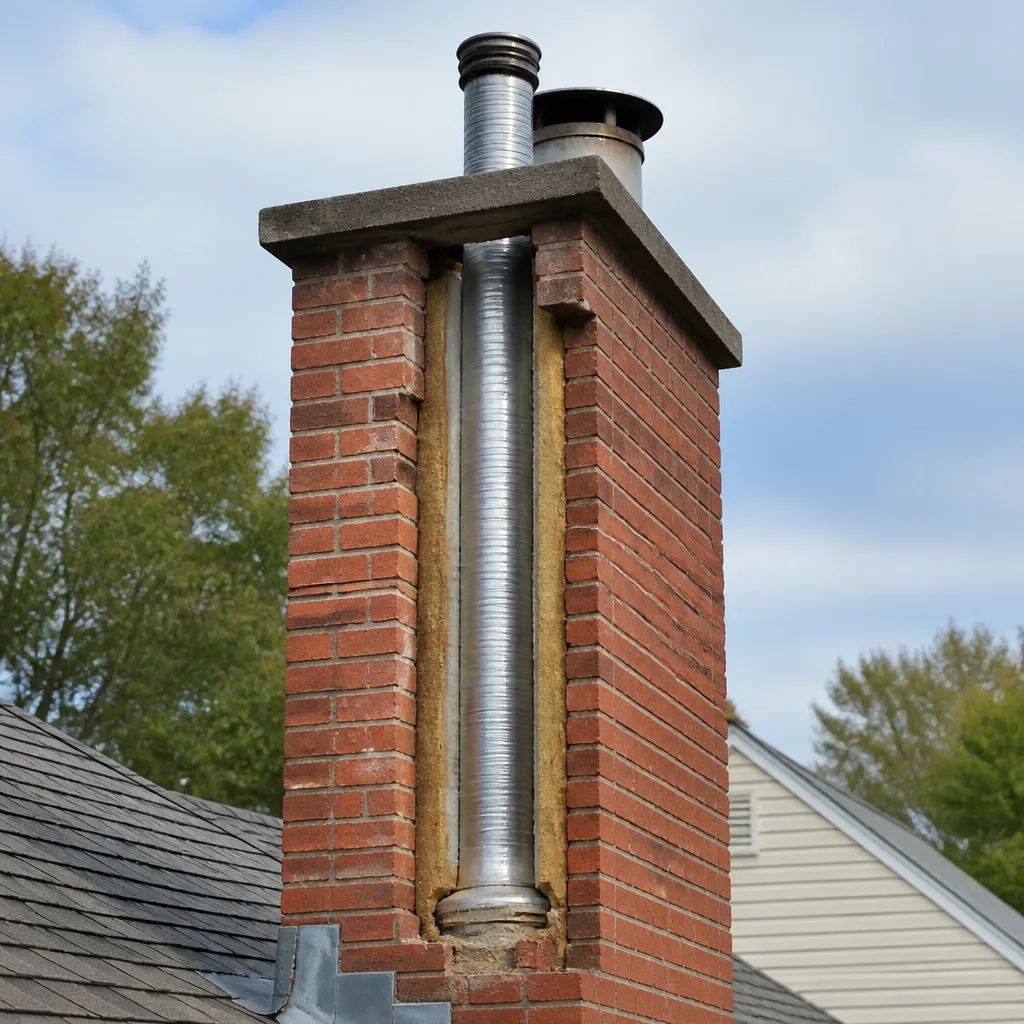
Liner materials deserve the same scrutiny. Flexible liner systems from brands like DuraFlex are engineered for chimneys with offsets or irregular flue paths that rigid systems can’t navigate correctly. For some damaged liners, resurfacing products like HeatShield can restore the flue without a full tear-out, which keeps a qualifying repair far less invasive. A contractor who only offers one path, whether that’s full replacement or a patch, isn’t matching solutions to conditions.
When you ask about materials, three answers are worth listening for:
- The brand names are specific and consistent. If they can’t name the product, they don’t work with it regularly.
- They explain the fit for your chimney, not a generic pitch.
- They offer the less invasive option first when it genuinely qualifies, and say so plainly when it doesn’t.
Red Flags in a Chimney Quote
Some quotes come with warning signs built in. Here’s what to watch for:
- Vague line items. “Chimney service” or “repair as needed” tells you nothing. A real quote names the work, the materials, and the price for each item.
- No inspection level mentioned. If the quote doesn’t say whether it covers a Level 1, 2, or 3 inspection, ask. A quote that avoids the term usually avoids the work behind it.
- Pressure to replace the liner on the first visit. Liner replacement is sometimes necessary, but it should always be tied to camera evidence you can see. A recommendation made before a camera ever entered the flue is a sales call, not an inspection.
- No written report. Ask what you’ll receive afterward. A professional inspection should produce documentation of condition, not just a bill and an estimate.
- No insurance certificate available. A contractor who can’t produce coverage documents quickly is a risk you shouldn’t accept on roof-access work.
- Quote expires “today.” Legitimate repairs don’t carry artificial same-day deadlines. Urgency in a quote usually signals a pricing tactic.
- No discussion of what can safely wait. Sometimes a repair is needed now. Sometimes it isn’t. A specialist who tells you a less urgent issue can be scheduled for later is telling you the truth, and that’s worth more than a fast yes.
What a Written Scope of Work Should Include
Before any chimney project begins in Colorado, get a written scope. It protects both sides and gives you something to hold the work to. A complete scope includes:
- The inspection level included and whether a camera inspection and photo report are part of the visit.
- Specific line items with a flat price for each, not one lump sum. Sweep, inspection, cap, crown, liner work, and any repair should be itemized so you know what you’re paying for.
- Named materials and brands for caps, crowns, liners, and sealants. This is your protection against commodity substitutes.
- A clear statement of the final price. Estimates are estimates. The written scope sets the number the work is done at.
- What happens if the project uncovers additional problems (a cracked crown found during liner work, for example) and how change orders get handled.
- A completion summary describing what was done and the condition of the flue when the job finished.
One crew, one invoice is the goal. A contractor who hands off pieces of the project to a second party creates gaps in accountability. Ask directly whether the entire scope is handled by the same company from inspection through repair. Chimney Sweep Lakewood Pros handles five service categories directly. The inspection, the sweep, the chimney repair, and the finishing work are not handed to a second contractor mid-project. When you compare quotes from across Lakewood, that single point of accountability belongs on your list of criteria.
The Vetting Checklist: Seven Steps Before You Sign
Here’s the whole process in sequence. Work through it once and you’ll know what you’re buying.
- Ask which credential the technician holds. CSIA, NFI, or a clear explanation of training. Verify claims through the certifying body’s directory where one exists.
- Confirm insurance in writing. General liability and workers’ comp, current, verified with the carrier.
- Pin down the inspection level. Level 1, 2, or 3, and whether camera evidence is included.
- Ask about materials by brand. The answer tells you whether they buy commodity products or trade-grade ones.
- Request the written scope. Itemized, with names and prices, before the appointment.
- Ask what can wait. If everything is urgent, keep looking.
- Confirm who does the work. One company from start to finish, or a handoff you’ll have to manage.
We built our Chimney Sweep Lakewood Pros process around this checklist because it’s the same standard we’d want applied to our own homes. A flat-price sweep is agreed before booking. Camera inspection and a photo report are included. If a repair is recommended, the evidence comes with it, and you’re told plainly when the work can safely wait. That’s the pattern to expect from any specialist you hire in Lakewood. Anything less deserves a second call.
Common Mistakes to Avoid
- Treating certification as a formality. CSIA and NFI credentials are the closest thing to a quality filter in a state with no chimney license. Skipping the check means you’re buying on price alone.
- Accepting a verbal insurance claim. A contractor who says “we’re fully insured” but can’t produce a certificate is asking you to carry their risk. Get the paperwork before the appointment.
- Booking a sweep without asking about the inspection. In Lakewood’s older neighborhoods, where clay tile flues have had decades of freeze-thaw cycles, a sweep without a camera inspection is a maintenance visit, not a safety check.
- Authorizing liner replacement without seeing evidence. If you can’t look at the camera footage or photos, you can’t evaluate the recommendation. Ask first, decide second.
- Choosing the biggest quote because it must be the thorough one. Price doesn’t correlate with quality. The written scope and named materials tell you what you’re getting.
- Ignoring the roof-access question. If the contractor can’t verify workers’ comp, a fall on your roof becomes your problem. This is the check most homeowners skip.
- Skipping the written scope because the job seems simple. Even a routine sweep benefits from a document that states what’s included. It keeps everyone honest and gives you a reference if questions come up later.
See the difference
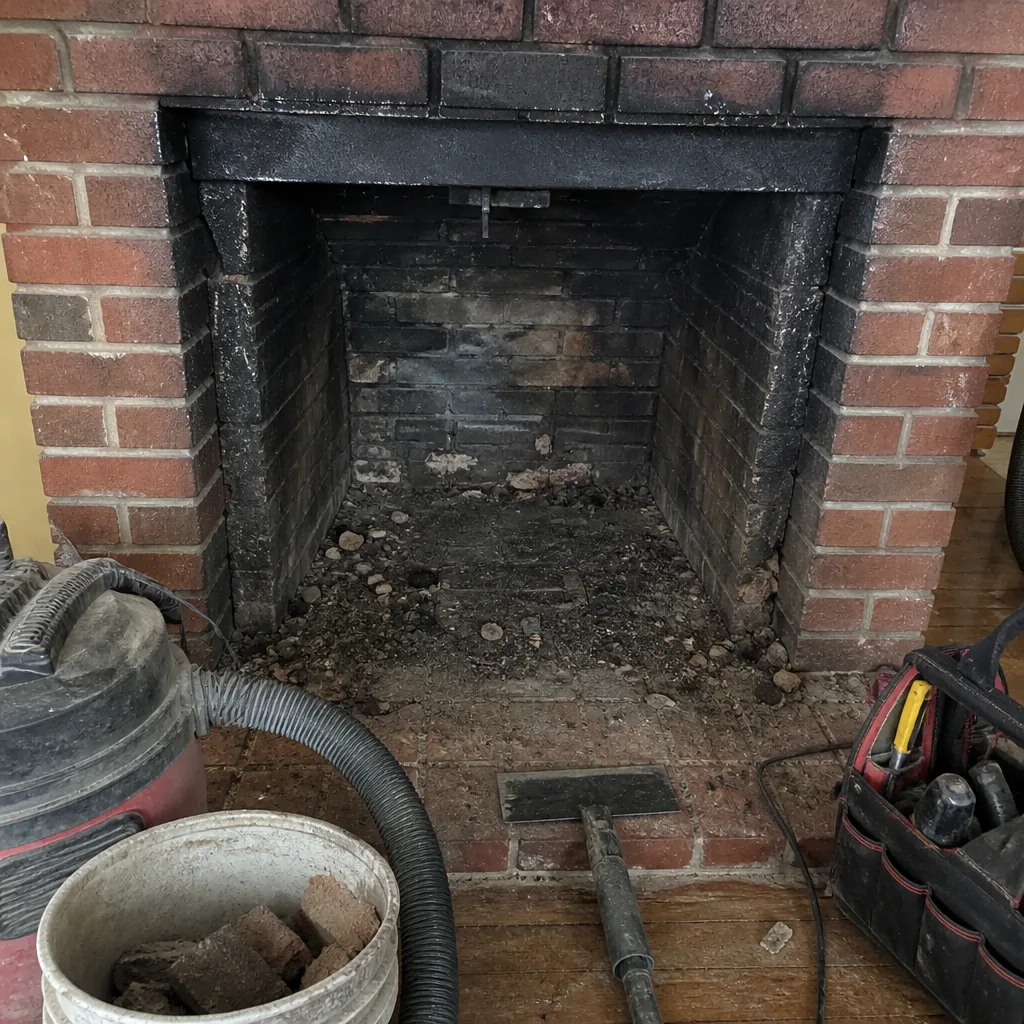 Before
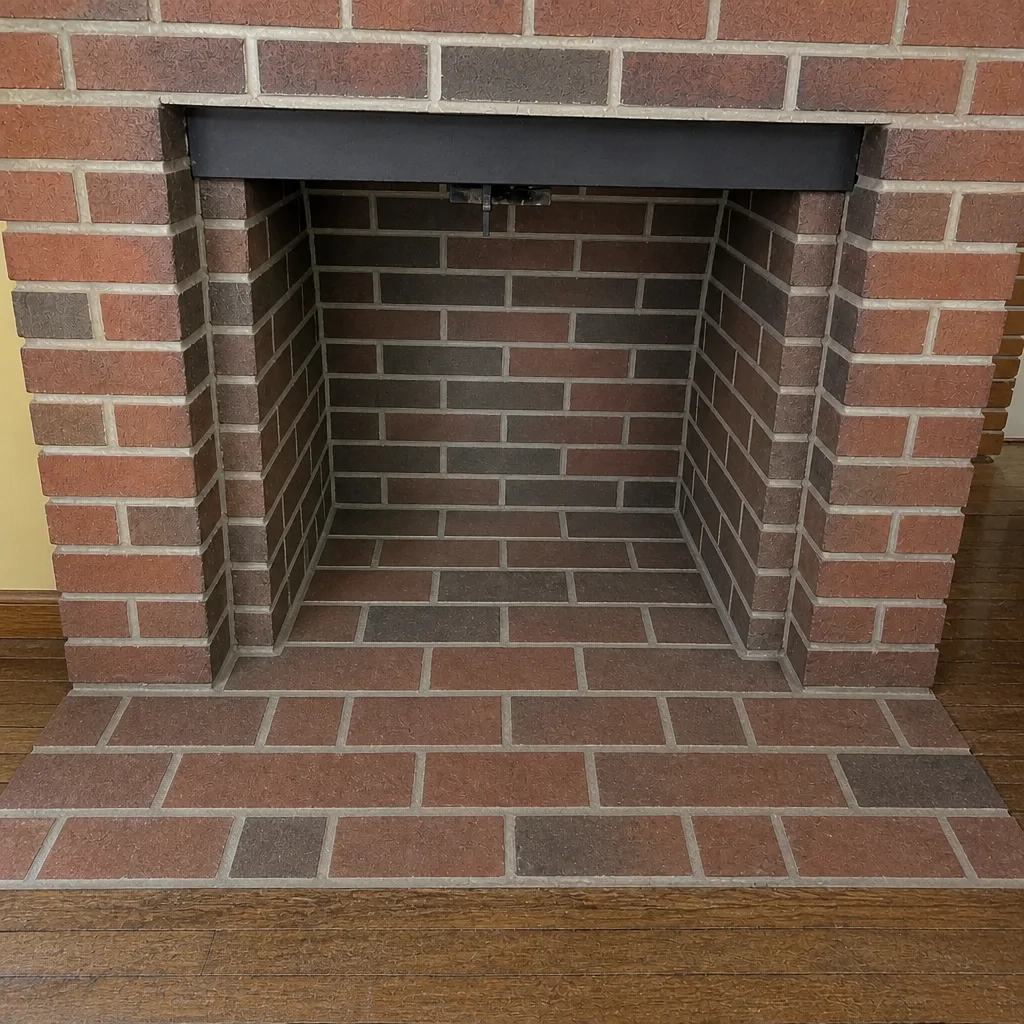 After
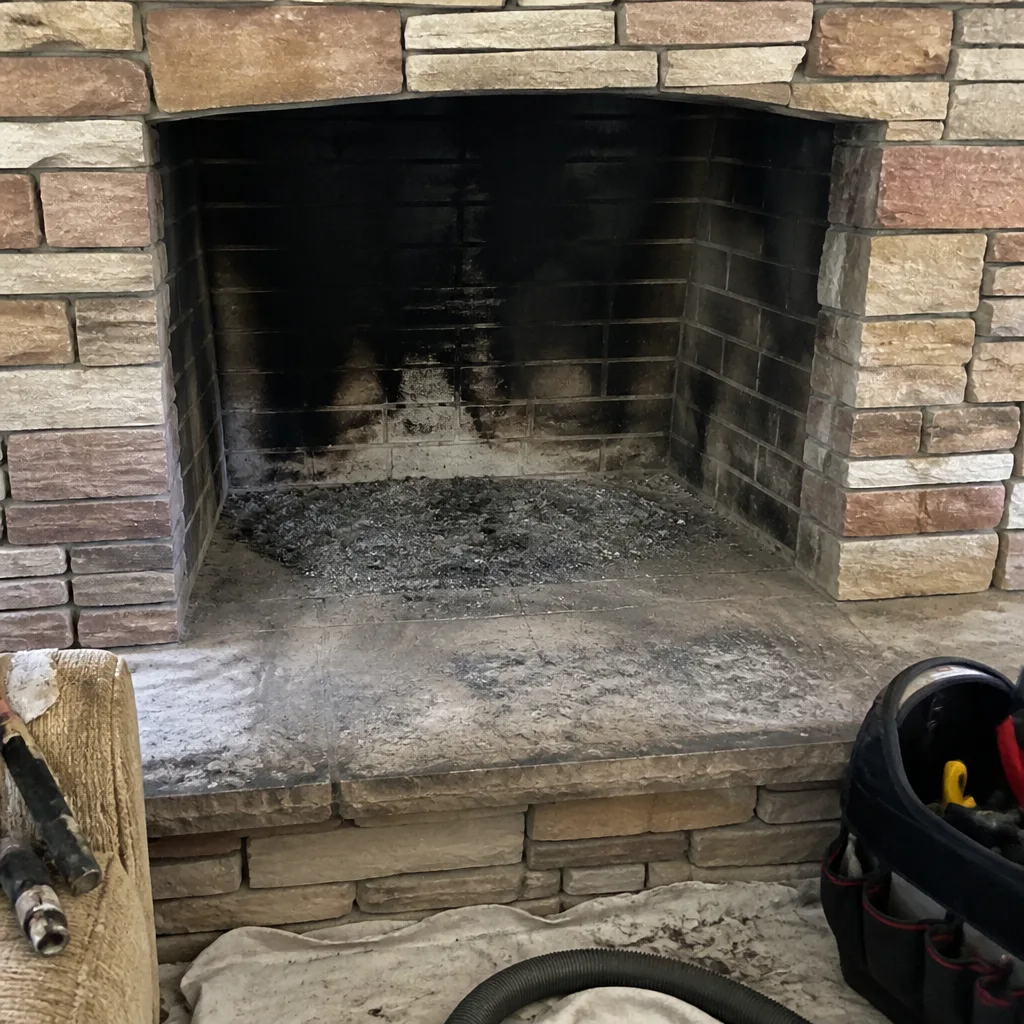 Before
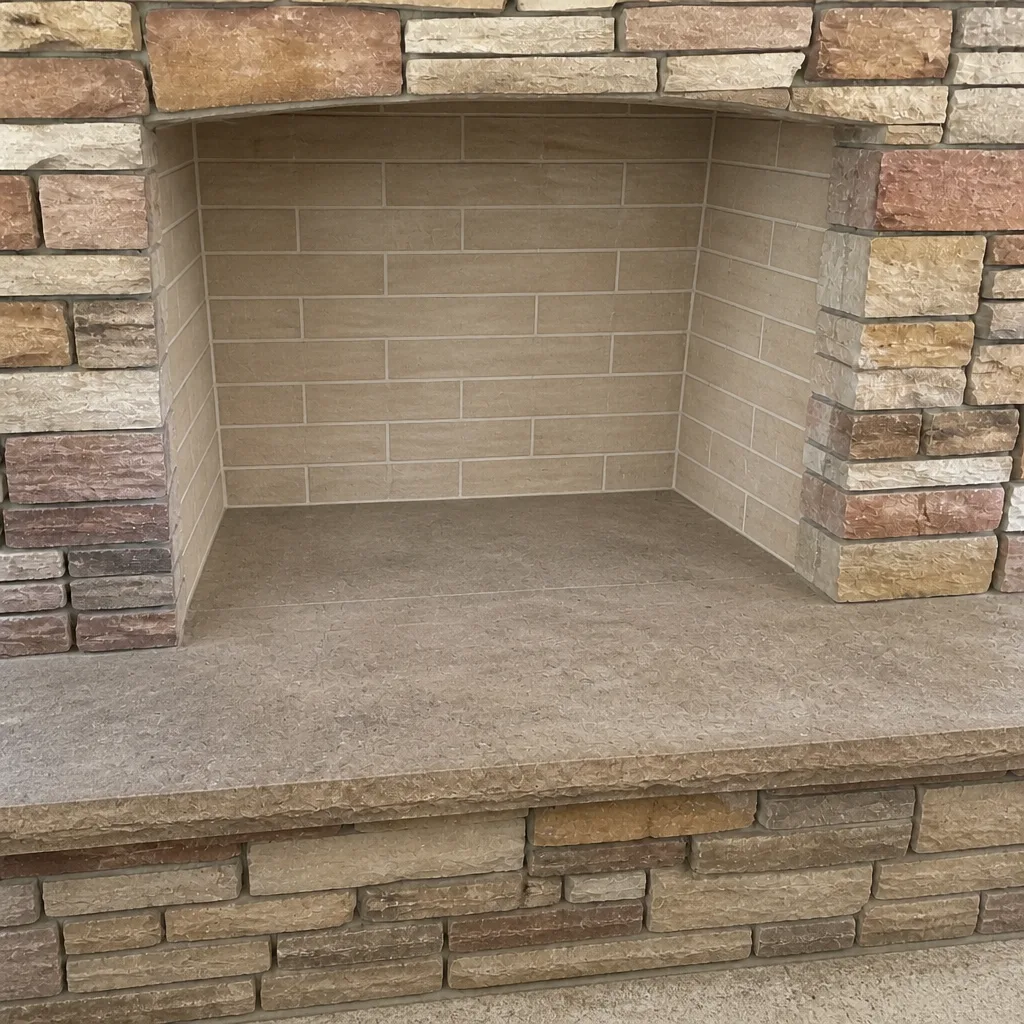 After
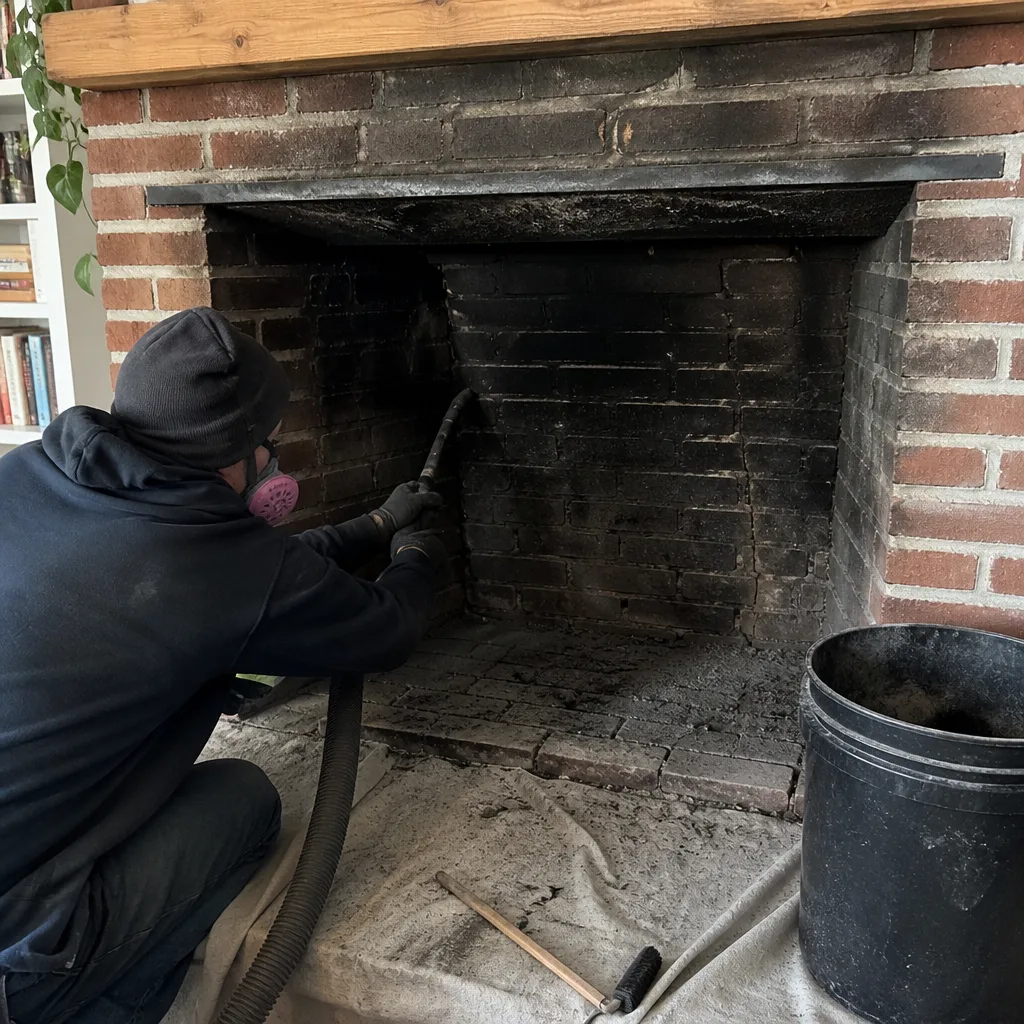 Before
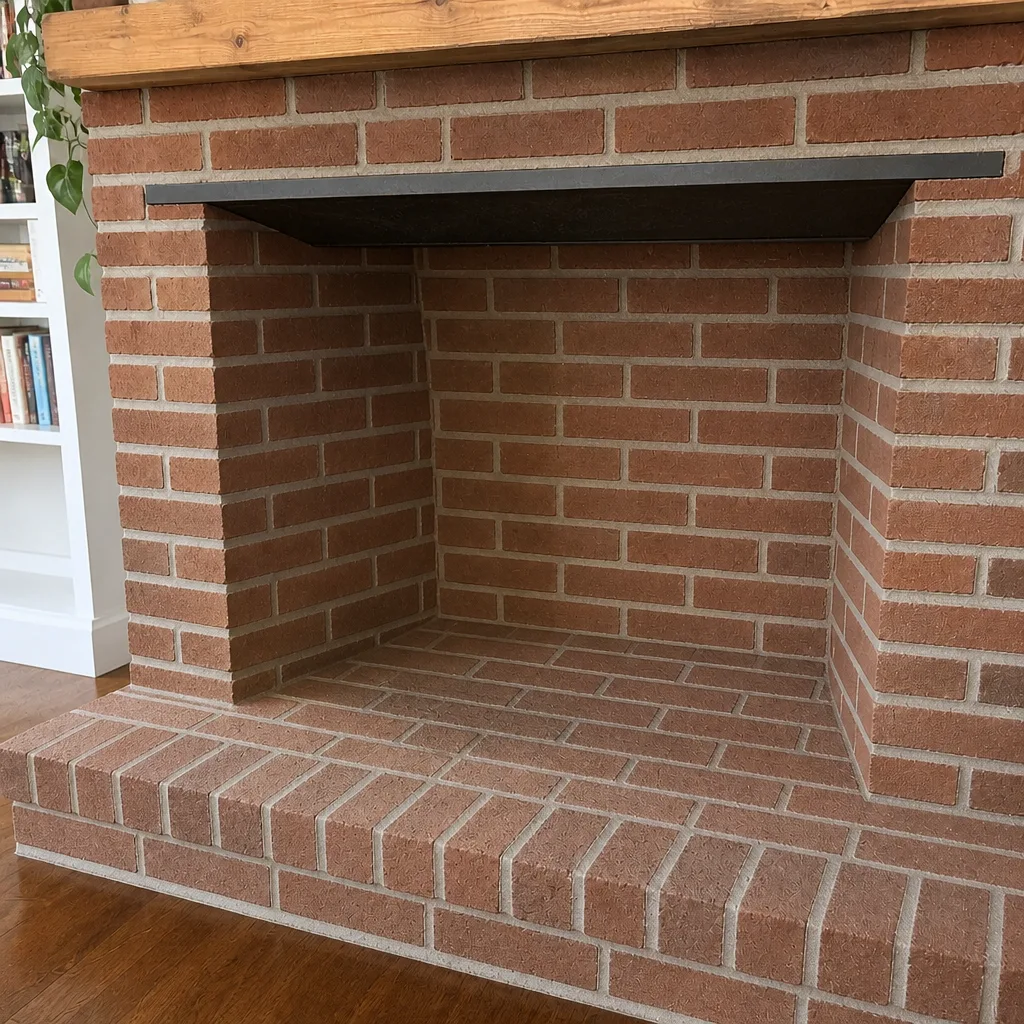 After
When to Call a Professional
Some chimney issues shouldn’t wait. Call a professional if you’ve had a chimney fire, if smoke backs into the room when you light a fire, if you see damaged or crumbling mortar around the crown, if the cap is missing or loose, or if you smell a persistent odor from the fireplace whether or not it’s in use. Carbon monoxide concerns always warrant a professional visit: if a detector alarms, get everyone out and call for help before anything else. Cracks in a flue liner or a failing crown let moisture and combustion gases go where they shouldn’t, and neither is a problem you can evaluate from the ground. Chimney Sweep Lakewood Pros offers free estimates in Lakewood. Call (877) 792-6835. We answer 24/7. Fast dispatch from 7am to 7pm, Sunday through Friday.
Frequently Asked Questions
Colorado does not issue chimney contractor licenses, so there is no state credential to ask for. What replaces it is voluntary certification (CSIA or NFI) plus verifiable general liability and workers’ comp coverage. Ask for both and verify them before booking.
CSIA certification tests chimney sweeping and inspection standards. NFI certification covers hearth appliances such as wood stoves and gas fireplaces, including their venting. Many full-service chimney companies have technicians who hold one or both. Call (877) 792-6835 for an exact quote on your chimney work. Estimates are free.
A handyman can clean a chimney, but a specialist brings the inspection training, camera equipment, and material knowledge that the work actually requires. In Lakewood, where a routine sweep can uncover a cracked liner or a failing crown, the specialist’s value is catching what a generalist would miss.
A written scope should itemize the inspection level, each piece of work with its flat price, the specific brands and materials to be used, and the final price for the job. It should also state who performs the work and what documentation you’ll receive at completion.
Ask for a certificate of insurance listing general liability and workers’ comp with current policy periods, then call the carrier to confirm both policies are active. Do this before the appointment, not the day of. Roof-access work makes this check non-negotiable.
Chimney components face freeze-thaw cycles, moisture, and exhaust year-round. Trade-grade caps, crowns, liners, and sealants are built for that service life. Commodity products from a hardware store often aren’t, which turns a repair into a repeat job in a few seasons.
The Bottom Line
Hiring a chimney contractor in Lakewood comes down to four verifications: a real credential, verified insurance, an inspection level you understand, and a written scope with named materials. Colorado gives you no license to fall back on, so these checks are yours to run. The right contractor will welcome them, show you camera evidence before recommending repairs, and tell you honestly when work can wait. Your annual safety check deserves that level of scrutiny. Get it in writing, and you’ll know what you’re buying.
Ready to put this guide to work? Call (877) 792-6835 for a free estimate. We answer 24/7. Fast dispatch from 7am to 7pm, Sunday through Friday.
Written by the team at Chimney Sweep Lakewood Pros.