
Last updated November 23, 2026
 Sweep & inspection
 Caps & crowns
 Flue relining
 Masonry repair
 Gas fireplace service
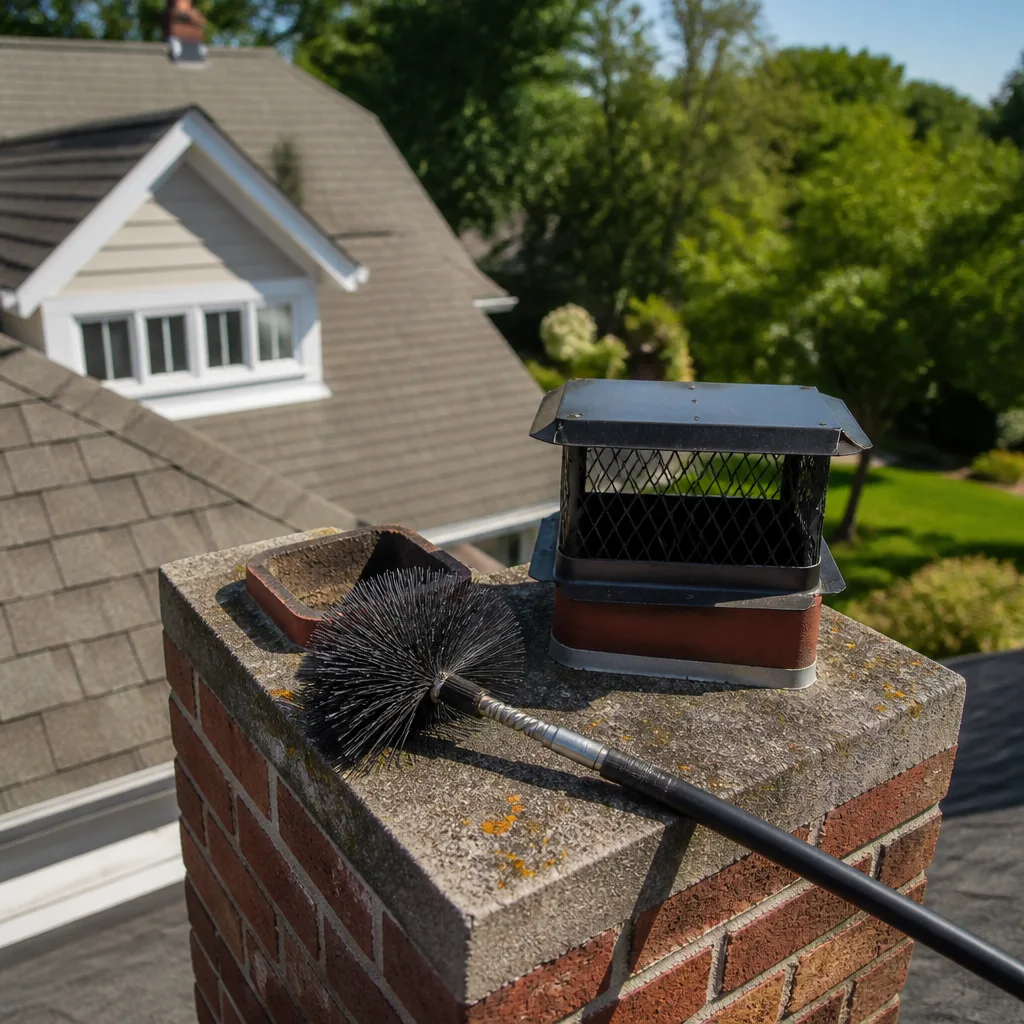
Level 1 sweep and inspection to the NFPA 211 annual standard - flue, crown, cap, and flashing checked and photographed
Chimney sweep logs do not sweep chimneys. They loosen some creosote - which then falls where a brush and vacuum still have to collect it.
Chimney Sweep Maintenance Checklist for Lakewood Homeowners
The chimney cap is the first thing to fail and the last thing homeowners inspect. In Lakewood’s hail-prone spring, a dented or displaced cap can let water pour straight down the flue within a single storm, long before anyone thinks to look up at the roof. Most chimney damage we’re called out to inspect didn’t start with a fire. It started with water finding a way in through a component nobody was watching. This guide gives you a checklist built around the parts that actually break: cap, crown, flashing, liner, firebox and damper, organized by what you can safely eyeball from the ground in Lakewood and what needs a technician on the roof.
Quick Answer
A working chimney maintenance routine in Lakewood means sweeping and inspecting once a year, checking the cap and crown after every hail event, watching for spalling mortar after hard freezes, and logging each inspection and repair in a document you can hand to your insurer. Some tasks belong on your annual calendar. Others are triggered by weather. The checklist below sorts them by component so nothing gets skipped.
Styles & brands we work with
- Sweep & inspection
- Caps & crowns
- Flue relining
- Masonry repair
- Gas fireplace service
Table of Contents
- Start With the Cap: The Component That Fails First
- The Crown: Cracking After Freeze-Thaw Cycles
- Flashing: Where Water Gets Behind the Brick
- The Liner: Your Carbon Monoxide Safety Layer
- Firebox and Damper: The Inside Check
- What You Can Check From the Ground vs. What Needs a Technician
- Frequency Table: Annual, Every 50 Fires, and Weather-Triggered
- Logging Maintenance History for Insurance Documentation
- Common Mistakes to Avoid
- When to Call a Professional
Start With the Cap: The Component That Fails First
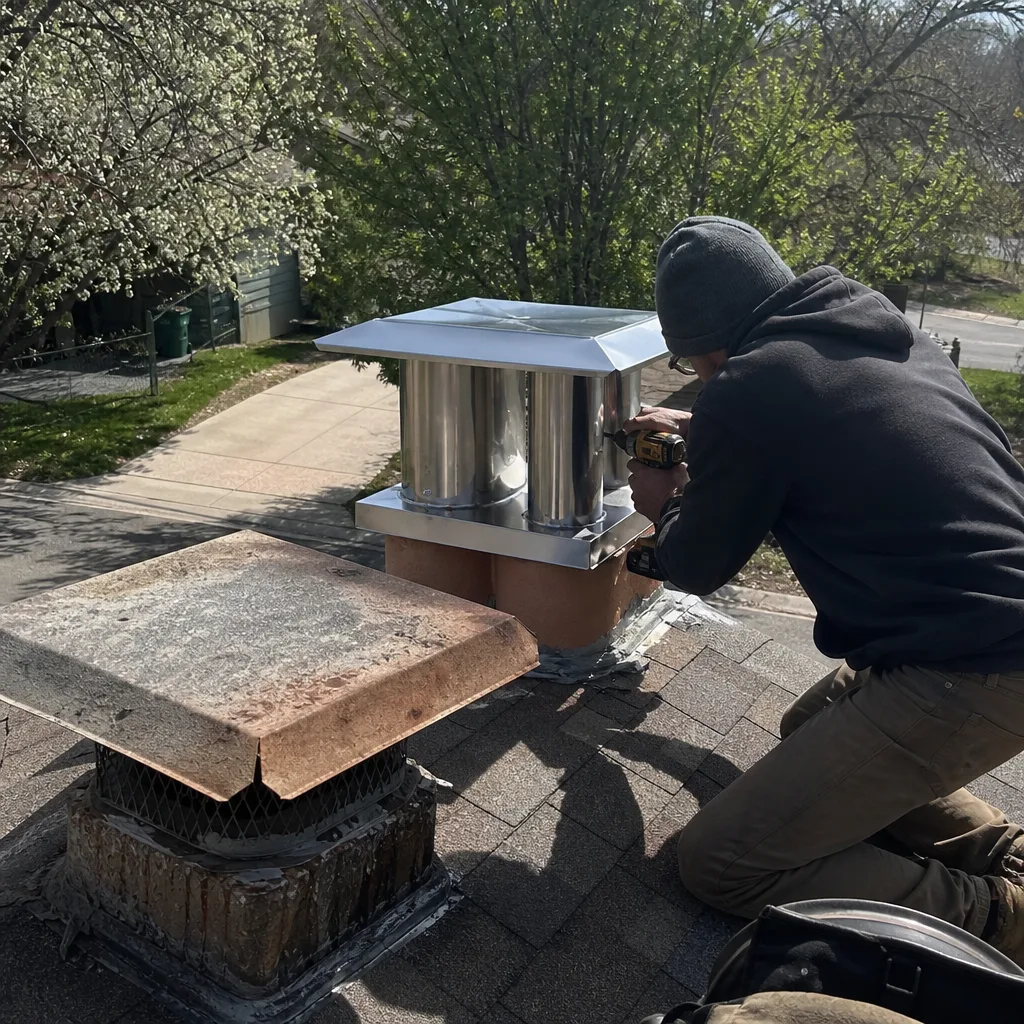
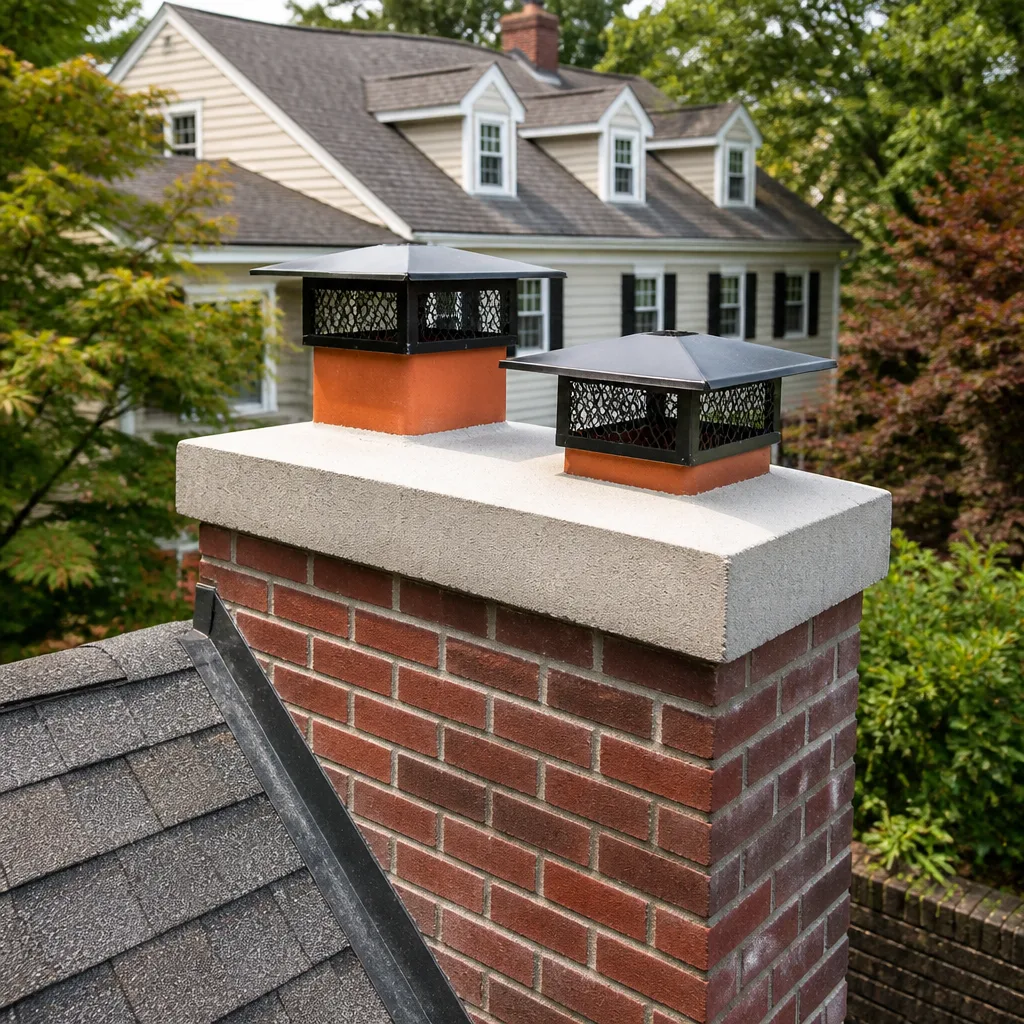
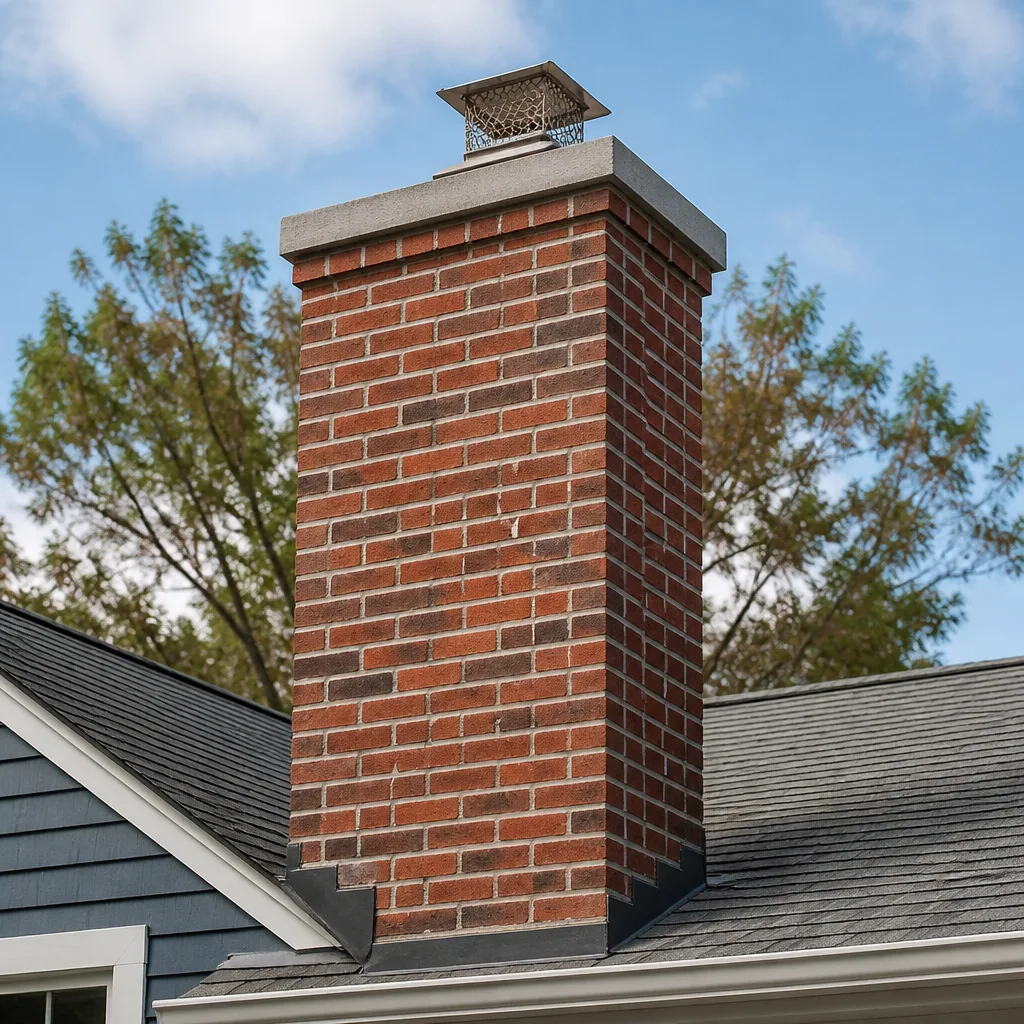
A chimney cap is a small metal or mesh cover that sits on top of the flue and does three jobs at once: it keeps rain and snow out, it keeps birds and squirrels from nesting inside the flue, and it keeps sparks from landing on the roof. Lakewood’s spring hail can dent, loosen, or fully dislodge a cap in one storm. Once that happens, the flue is open to the weather, and water reaches the liner, the firebox and the damper before you’d notice anything from inside the house.
Caps are not all built the same. We install Gelco and Famco cap products because they’re made to hold up to weather and animal intrusion, not just look tidy from the yard. A flimsy builder-grade cap can be pushed out of place by a single hailstorm, and the homeowner won’t know until water stains show up on the ceiling.
Here’s what a cap check covers:
- Placement: Is the cap sitting square on the flue, or has it shifted sideways?
- Dents and deformation: Hail dings matter because a bent cap can pinch the flue opening and restrict draft.
- Fasteners: Screws and brackets corrode and loosen. A cap that lifts in wind lets rain blow sideways into the flue.
- Mesh condition: Torn mesh lets birds in. A nest in the flue is a fire hazard and blocks carbon monoxide from venting out.
- Animal evidence: Droppings, feathers and nesting material around the cap tell you something has already gotten through.
You can see most of this from the ground with binoculars. What you can’t judge from the ground is whether the cap is seated tightly enough to survive the next storm. That calls for someone on the roof. If the cap has seen more than a couple of hail seasons, it’s worth having it replaced rather than re-seated. Call (877) 792-6835 for a free estimate on cap replacement in Lakewood. We answer 24/7. Fast dispatch from 7am to 7pm, Sunday through Friday.
The Crown: Cracking After Freeze-Thaw Cycles
The crown is the concrete or mortar slab that sits on top of the chimney and slopes water away from the flue. It’s the chimney’s raincoat, and in Lakewood the freeze-thaw cycle is what kills it. Water seeps into a hairline crack, freezes overnight, expands, and widens the crack a fraction more. Repeat that through a Colorado winter and a small crack becomes a path for water to reach the brick and mortar below.
After a hard freeze or a hail event, check the crown with binoculars from the ground. You’re looking for visible cracks, crumbled edges, or a crown that no longer slopes. If the crown looks intact, you can leave it for the annual inspection. If you see cracking, don’t wait. Water that gets past a failed crown soaks into the chimney structure and, once it freezes, starts pushing brick and mortar apart.
While you’re looking at the crown, look at the brickwork just below it. Spalling mortar is the telltale sign that water has been getting in. Spalling means the mortar face has started flaking and crumbling away. It often shows up after a hard winter in Lakewood, and it’s the earliest visible evidence of freeze-thaw damage. If you spot it, the crown is the likely source.
Crown repair is one of those jobs where the fix has to address the cause, not just the symptom. Re-capping a chimney without sealing the crown only pushes the problem down the line. A proper crown repair includes resloping the surface so water runs off, sealing the joint where the crown meets the flue, and matching the repair to the masonry. If the crown is beyond repair, replacement with a poured or cast-in-place crown is the durable option. Our chimney repair work covers crown replacement alongside the broader masonry repairs that often come with it.
Flashing: Where Water Gets Behind the Brick
Flashing is the metal collar that seals the joint where the chimney meets the roof. It’s a small, unglamorous detail that prevents water from running down the side of the chimney and into the roof deck. When flashing fails, the damage shows up inside the house, usually as a ceiling stain near the chimney or damp insulation in the attic.
Flashing fails for the same reasons the crown does: expansion and contraction as the metal and masonry move at different rates. Old tar patches peel up. Lifted metal edges let water wick behind the flashing and into the roof structure. Lakewood’s hail season can also dent or crease metal flashing enough to break its seal.
Here’s what a flashing check involves:
- Visual seal: Does the metal sit flush against the chimney and the roof shingles?
- Old sealant: Smears of tar or caulk are a sign someone patched it before. Those patches fail faster than a proper rebuild.
- Rust and corrosion: Rusted flashing needs replacement, not more sealant.
- Shingle integration: The flashing needs to be woven into the shingle course, not sitting on top of it.
A good flashing inspection and repair is a roofing-adjacent task that chimney specialists handle alongside everything else. You can catch the warning signs yourself by looking for water stains on the ceiling or dampness near the chimney during heavy rain. If you find them, don’t delay. A flashing repair is far less expensive than the structural damage water does over a winter.
The Liner: Your Carbon Monoxide Safety Layer
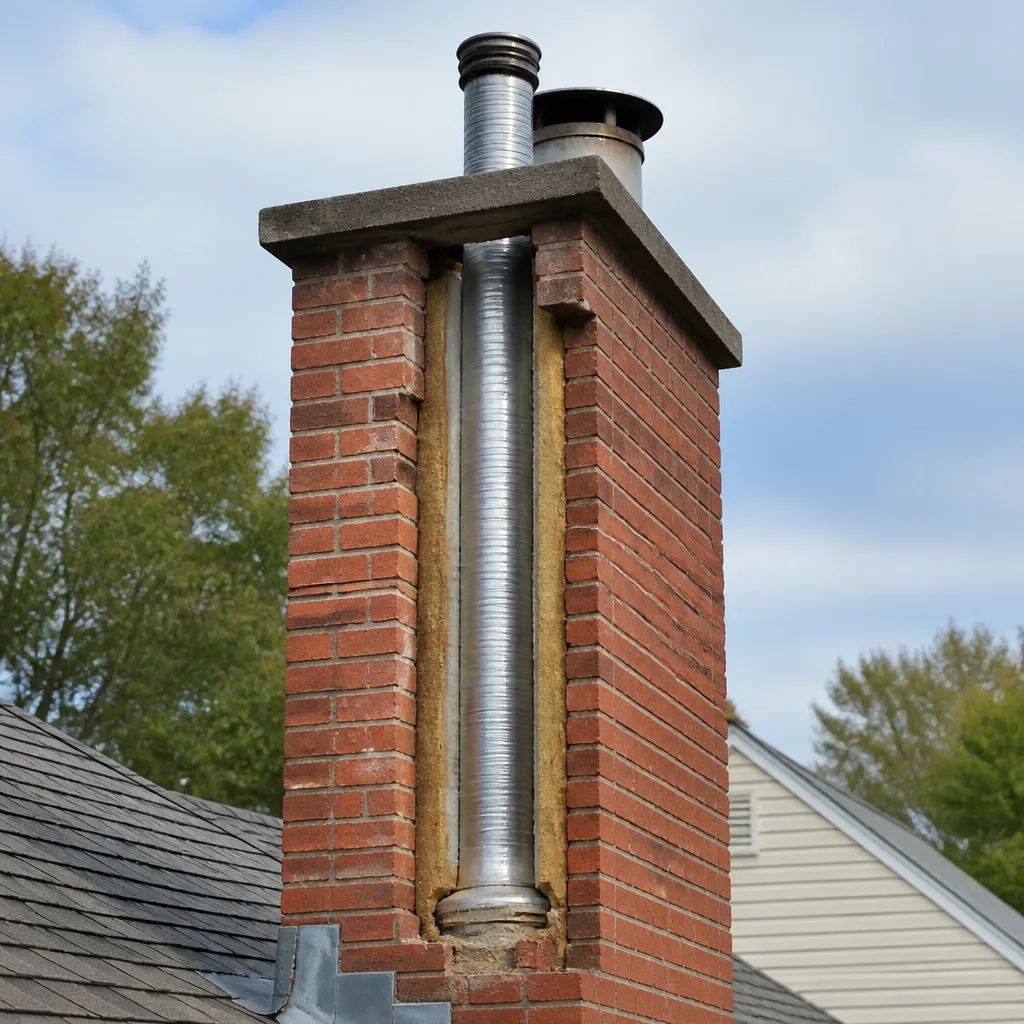
The flue liner is the clay tile or metal flue inside the chimney that carries smoke and carbon monoxide up and out. When the liner cracks, spalls, or separates at the joints, carbon monoxide can leak into the house through the chimney structure instead of venting out. This is the safety check that matters most. It is also the one a homeowner can’t do alone.
Liner condition is inspected with a camera. A chimney technician sends a camera down the flue and records what it sees so you have video evidence of the liner’s condition. That record matters for two reasons: you can see for yourself whether a repair is needed, and you have documentation if you ever need to file an insurance claim.
When a liner shows damage, full replacement isn’t the only option. HeatShield liner resurfacing can restore a damaged flue in qualifying chimneys without a full tear-out. A technician applies a repair material to the interior of the liner to seal cracks and joints and restore a smooth flue surface. Not every liner qualifies, but when it does, it saves the disruption and cost of a full replacement. For chimneys with offsets or irregular flue paths, a DuraFlex flexible liner can be installed where a rigid liner won’t fit.
Here’s how we approach a liner issue:
- Camera inspection first. We document the liner’s condition with video so you see what we see.
- Assess for restoration versus replacement. If the liner qualifies for HeatShield resurfacing, that’s the first recommendation because it’s less invasive and less expensive.
- Specify a flexible liner where needed. Offset and irregular flues get a DuraFlex system sized to the appliance.
- Verify after the work. The liner is re-inspected once the repair is complete.
We inspect first, then recommend. Nothing is quoted until we’ve seen the inside of the flue. That’s the honest starting point, and it’s how we keep homeowners from being sold a liner they don’t need. For more on the annual inspection that catches liner problems early, see our chimney inspection page.
Firebox and Damper: The Inside Check
The firebox is the fire chamber where the wood burns. The damper is the metal plate above it that opens to let smoke up the flue and closes to keep heated air in and cold air out when the fireplace isn’t in use. Both are inside the house, so this is the part of the checklist you can handle yourself with a flashlight.
A firebox check looks for cracked firebrick, crumbling mortar joints in the firebox walls, and any gaps where the firebox meets the surround. Cracks in firebrick are a fire hazard because heat and embers can reach the masonry behind the brick. Small hairline cracks in the firebox mortar are common and often repairable. Large cracks or missing chunks of firebrick need repair before the fireplace is used again.
For the damper:
- Test the movement: Open and close it. It should move freely without sticking.
- Check the seal: When closed, the damper should seat flush. A warped or rusted damper lets heated air escape up the chimney all winter.
- Look for debris: Leaves, soot buildup, or a bird nest sitting on the damper keeps it from closing fully.
- Check for a top-sealing damper: If your chimney has one at the top of the flue, it needs the same test from the roof.
Damper and firebox problems show up on the annual inspection, but you can catch a stuck damper or cracked firebrick yourself before it becomes a problem. If you find a stuck damper or cracked firebrick, our fireplace repair work covers both. Don’t run a fire in a firebox with a large crack in the firebrick. That’s a safety issue, not a maintenance one.
What You Can Check From the Ground vs. What Needs a Technician
Knowing which tasks you can handle safely yourself saves you the trouble of a call for something that isn’t a problem, and it also keeps you off a roof you shouldn’t be on. Chimney work involves heights, and the top of a chimney is not a place to test your balance. Here’s how the checklist splits.
Safe from the ground (with binoculars and a flashlight):
- Cap condition: dents, tilt, mesh damage, animal evidence
- Crown condition: visible cracks, crumbled edges, missing slope
- Spalling mortar on the brick face below the crown
- Flashing visual: lifted metal, tar patches
- Interior: soot buildup visible at the firebox mouth
Interior, flashlight only (no ladder):
- Firebox firebrick cracks and missing mortar
- Damper movement and seal
- Creosote buildup at the smoke chamber mouth and flue opening
- Ceiling and attic stains near the chimney that suggest flashing or crown leaks
Technician on the roof:
- Camera inspection of the liner
- Cap removal and replacement
- Crown repair or replacement
- Flashing rebuild
- Flue cleaning, especially above the smoke chamber
- Any repair that requires working at height or on the roof
Our technicians have up to 11 years of experience, and the roof work is where that experience matters. A technician can read a cap that’s about to fail from a quick look and can tell you whether the crown needs patching or replacement. That’s not a skill you develop from the yard.
Frequency Table: Annual, Every 50 Fires, and Weather-Triggered
A checklist only works if you know when each task should be done. Some tasks are annual, some are tied to how much you burn, and some are triggered by Lakewood weather. Here’s how we’d sort them.
| Interval | Tasks |
|---|---|
| Annual | Full sweep and inspection. Camera inspection of the liner. Crown and cap assessment. Flashing check. Damper and firebox check. Firebox and damper cleaning. |
| Every 50 fires | Creosote check at the firebox and smoke chamber. Damper movement test. Firebox firebrick inspection. |
| After every hail event | Cap inspection. Crown inspection. Flashing inspection. |
| After a hard freeze | Spalling mortar check. Crown crack check. Water stain check on ceiling and attic. |
| Before burning season | Sweep and inspection. Damper test. Cap and crown check. Confirm the liner is clear from the last year’s inspection. |
The “every 50 fires” rule is a practical alternative to the “sweep once a year” advice you’ll read elsewhere. If you burn two or three times a week through a Lakewood winter, you’ll pass fifty fires well before the season ends, and the creosote check at the firebox mouth will tell you whether the flue needs a cleaning before the annual sweep. If you barely light the fireplace, an annual sweep still matters because a year of sitting lets the cap and crown degrade without anyone checking.
The weather-triggered items are the ones specific to Lakewood. A hailstorm can damage a cap in minutes. A hard freeze can open a crown crack overnight. Put a reminder on your calendar for the first week of June (after hail season) and the first week after the first hard freeze of the winter. That’s when a quick binocular check saves the most trouble.
If a task calls for sweeping, the annual chimney sweep is the anchor of the whole routine. Everything else on this checklist builds off a clean flue and a current inspection.
Logging Maintenance History for Insurance Documentation
Insurance claims for chimney damage are decided on evidence. When you can show a documented history of annual inspections, repairs, and material specifications, you have a much stronger claim than a homeowner who can only say “the chimney leaked last winter.” The log doesn’t need to be elaborate. It needs to be chronological, dated, and specific.
Here’s what to record for each entry:
- Date. The date of the inspection, repair, or weather event that prompted the check.
- Work performed. “Annual sweep and inspection” or “Cap replacement, Gelco” or “HeatShield liner resurfacing on second flue.”
- Technician findings. What the camera saw. Any defects noted and any recommendation made.
- Photos and video. The inspection report, camera footage, and before-and-after photos of any repair.
- Materials specified. Brand and type. This matters because insurance adjusters value a repair based on what was installed.
- Invoice. The paid invoice showing the work completed.
We provide a written inspection report with camera footage and photos on every inspection. You’ll have the documentation whether you file a claim or not. If a repair surfaces later, the earlier inspection report shows the timeline and proves the repair wasn’t neglected. Adjusters appreciate a homeowner who can produce a paper trail. Having a single contractor on record for the sweep, the repair, and the cap work also means the report tells one coherent story rather than three partial records from three different trades.
Common Mistakes to Avoid
- Skipping the cap check after a hail storm. A dented cap looks fine from the street until it isn’t. In Lakewood, hail season comes before anyone thinks about the chimney. Check the cap after every storm that produces hail at your house.
- Assuming the crown is fine because it looks intact from the yard. Crown cracks often start as hairlines that only show up at an angle. Binoculars from the ground catch most of them, but a technician on the roof catches the rest.
- Using “once a year” as the only maintenance trigger. The annual sweep is essential, but a Colorado winter with a hard freeze can open a crown crack in February that didn’t exist at the fall inspection.
- Burning unseasoned or “green” wood in the fireplace. Wet wood burns cool and leaves more creosote in the flue. Creosote is what catches fire. Dry, seasoned wood is a maintenance decision, not just a habit.
- Tar-patching flashing instead of repairing it. A tar patch is a short-term fix that fails faster than the flashing did. In a hail-prone climate, flashing should be repaired properly or replaced.
- Running a fire in a firebox with a cracked firebrick. Heat and embers reach the masonry behind a crack. That’s a fire risk, not a maintenance issue.
- Ignoring a stuck damper. A damper that won’t close lets heated air escape all winter. A damper that won’t open leads to smoke in the house.
If you’ve made any of these mistakes, it isn’t a reason to panic. It’s a reason to get the chimney inspected this season. A few of these mistakes are safe to correct on your own. The rest need a technician on the roof or a camera up the flue.
When to Call a Professional
Most chimney maintenance is safe to check yourself, but some tasks cross the line into work that needs a trained technician. Call a professional when you find a cracked or missing firebrick, a damper that won’t move or won’t seal, any water staining on a ceiling or in the attic near the chimney, a cap that has shifted or torn, or a crown with visible cracks that show up from the ground. Call before the annual sweep if your fireplace burns dirty, if smoke backs into the room, or if you smell gas or a strong creosote odor. Those signs can point to a liner or draft problem that needs a camera inspection before anyone runs the fire. If you’ve never had the liner inspected, that check alone justifies a visit.
Chimney Sweep Lakewood Pros offers free estimates in Lakewood. Call (877) 792-6835. We answer 24/7. Fast dispatch from 7am to 7pm, Sunday through Friday.
Frequently Asked Questions
Most Lakewood homeowners should sweep once a year, before burning season. If you burn more than a few times a week through the winter, sweep more often, or at least check the creosote level every 50 fires. A camera inspection catches liner and crown problems that sweeping alone won’t find. Call (877) 792-6835 for a free estimate on your annual sweep; we answer 24/7.
Not always. A damaged liner sometimes qualifies for HeatShield resurfacing, which restores the flue without a full replacement. The only way to know is a camera inspection. We inspect first, then recommend, and if the liner qualifies for restoration we lead with that option. We won’t recommend a replacement until the camera evidence shows it’s necessary. Call (877) 792-6835 for a free estimate; you’ll see the footage before any work is quoted.
Chimney sweep pricing is set per job by the written estimate, so the price depends on your flue size, the creosote level, and whether you need a camera inspection alongside it. We don’t advertise a flat rate because we don’t want to quote a number before we’ve seen the chimney. The estimate is free, and you’ll have a written price before any work is booked. Call (877) 792-6835 to schedule.
Creosote builds up in the flue, and creosote is what catches fire. The cap and crown degrade quietly in the weather and start leaking water into the chimney structure, and a cracked liner can let carbon monoxide into the home. None of this shows up as an emergency until it does. An annual inspection catches most of it early. Call (877) 792-6835 for a free estimate; estimates are free.
Yes, with binoculars from the ground. You can see a dented or tilted cap, a cracked crown, and spalling mortar on the brick face below the crown. What you can’t judge from the ground is whether the cap is seated tightly enough to survive the next storm, or whether a crown crack needs patching or replacement. That calls for a technician on the roof. Call (877) 792-6835 for a free estimate if anything looks off.
After a hailstorm, check the cap for dents, tilt, and mesh damage, and check the crown for cracks. After a hard freeze, look for spalling mortar, new crown cracks, and water stains on the ceiling or in the attic. Both are quick binocular and flashlight checks. If you find damage, schedule a technician visit. Call (877) 792-6835; we answer 24/7 and dispatch from 7am to 7pm, Sunday through Friday.
The Bottom Line
A chimney maintenance checklist works when it’s tied to the parts that actually fail, and in Lakewood the failure order is predictable: cap first, then crown, then flashing, then liner. Check the cap and crown by binocular after every hailstorm and hard freeze. Sweep and inspect once a year, and check creosote every 50 fires. Handle the firebox and damper yourself with a flashlight. Leave the liner, the roof work, and any structural repair to a technician. Log every inspection, repair, and material in one dated record so your insurance claim holds up when you need it. Every item on this checklist is one we handle at Chimney Sweep Lakewood Pros, from sweep to structural repair, using trade-grade materials like HeatShield, Gelco, Olympia Chimney and Famco rather than hardware-store substitutes. We inspect first, then recommend, so any repair is backed by camera evidence you can see for yourself.
Beyond the sweep, the cap and crown work addresses the two most common sources of water intrusion, and our chimney cap & crown installation covers both. All five service categories, sweep, inspection, fireplace repair, chimney repair, and cap and crown, are handled under one company, so there’s no handoff to a second contractor partway through a project. One crew, one invoice.
When you’re ready to book the annual sweep, replace a storm-damaged cap, or get a camera inspection on the liner, call (877) 792-6835. We answer 24/7. Fast dispatch from 7am to 7pm, Sunday through Friday. The estimate is free, and the price is set per job by the written estimate.
Written by the team at Chimney Sweep Lakewood Pros.
See the difference
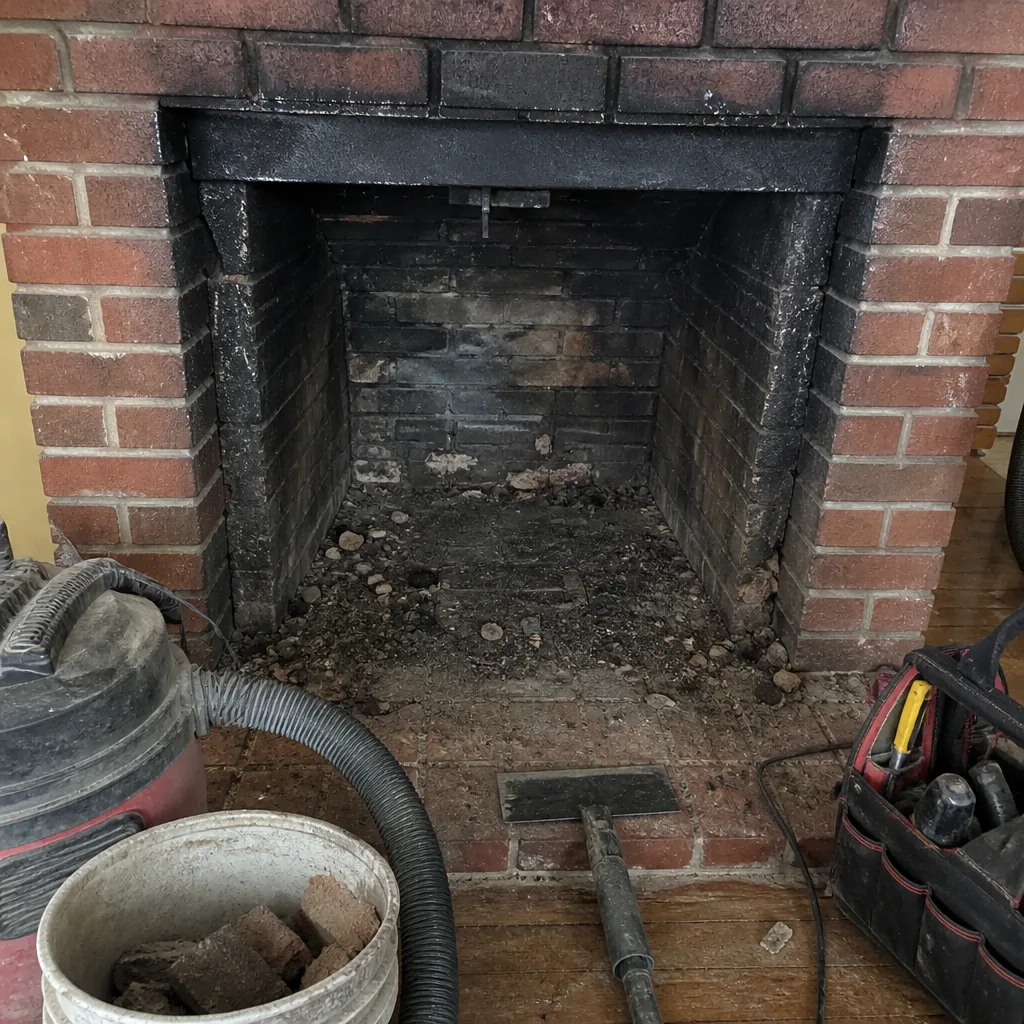 Before
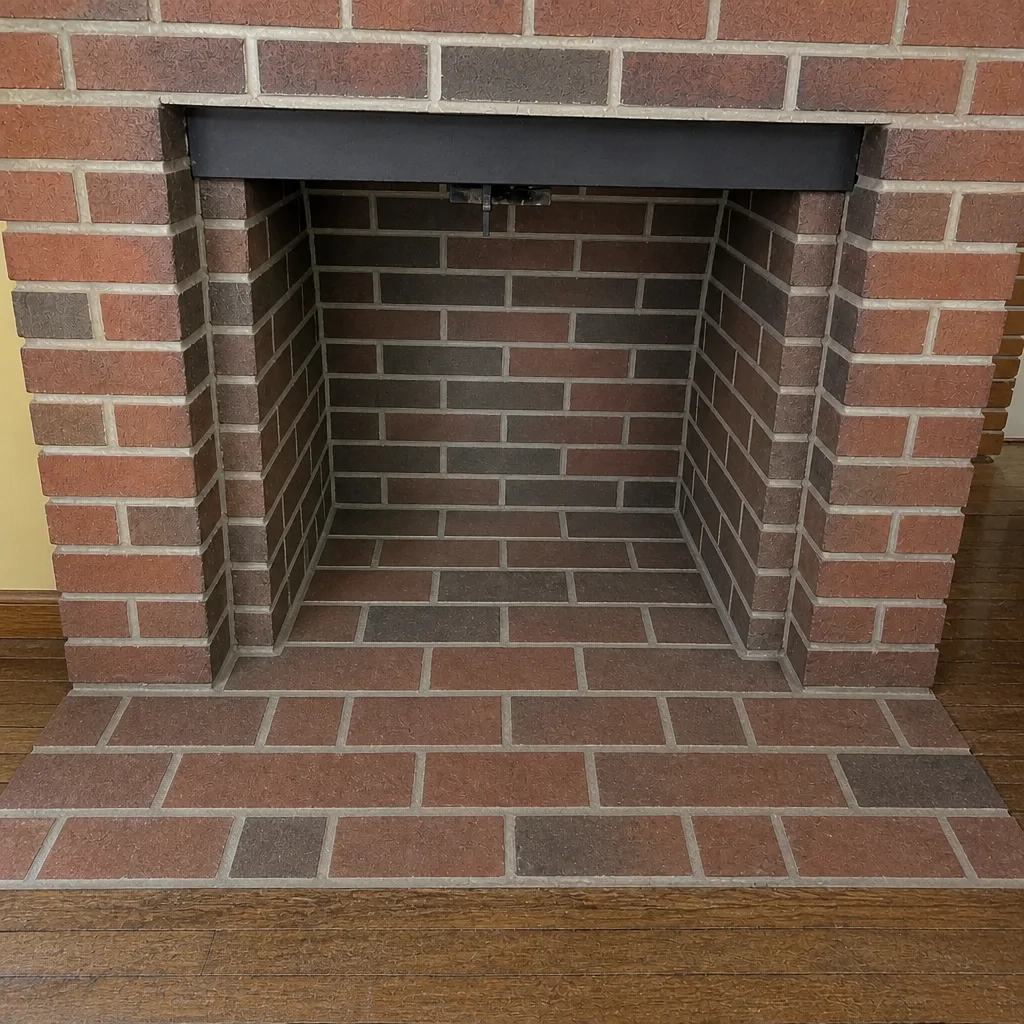 After
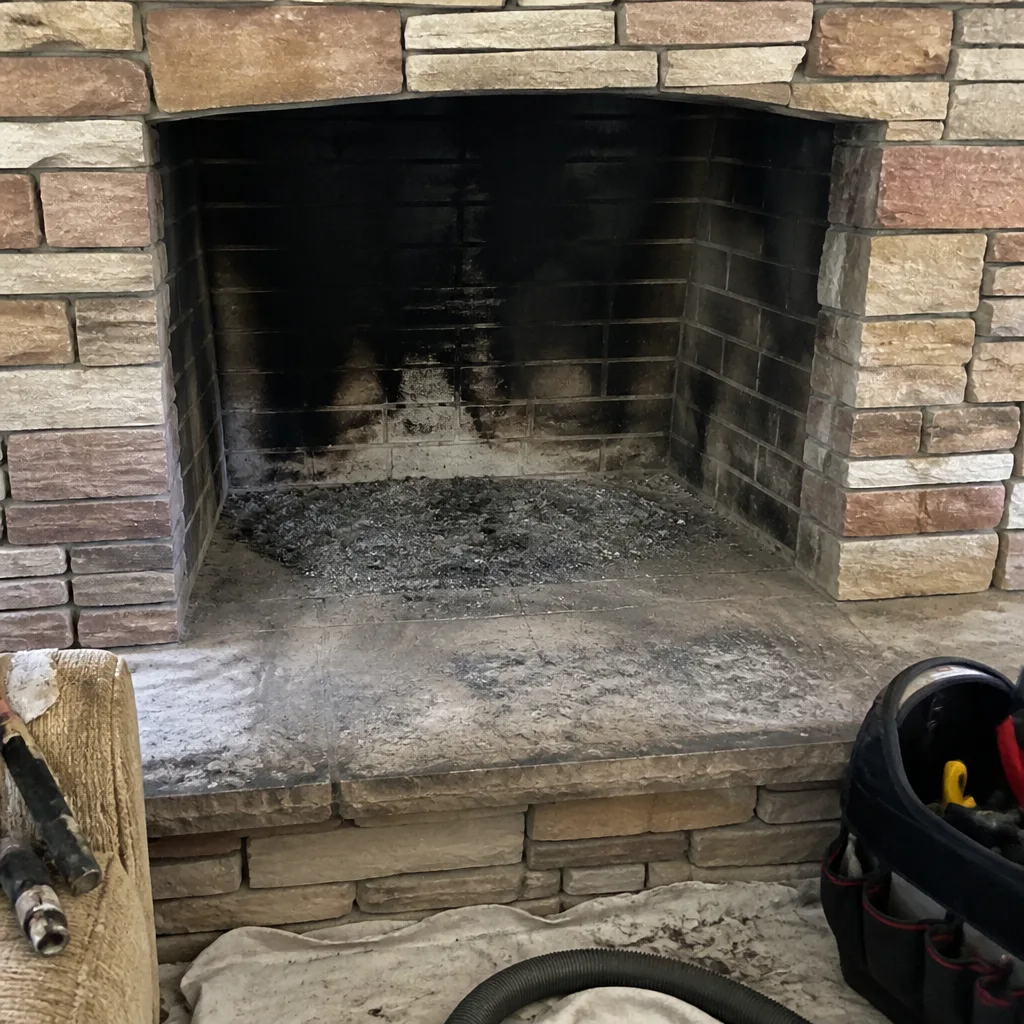 Before
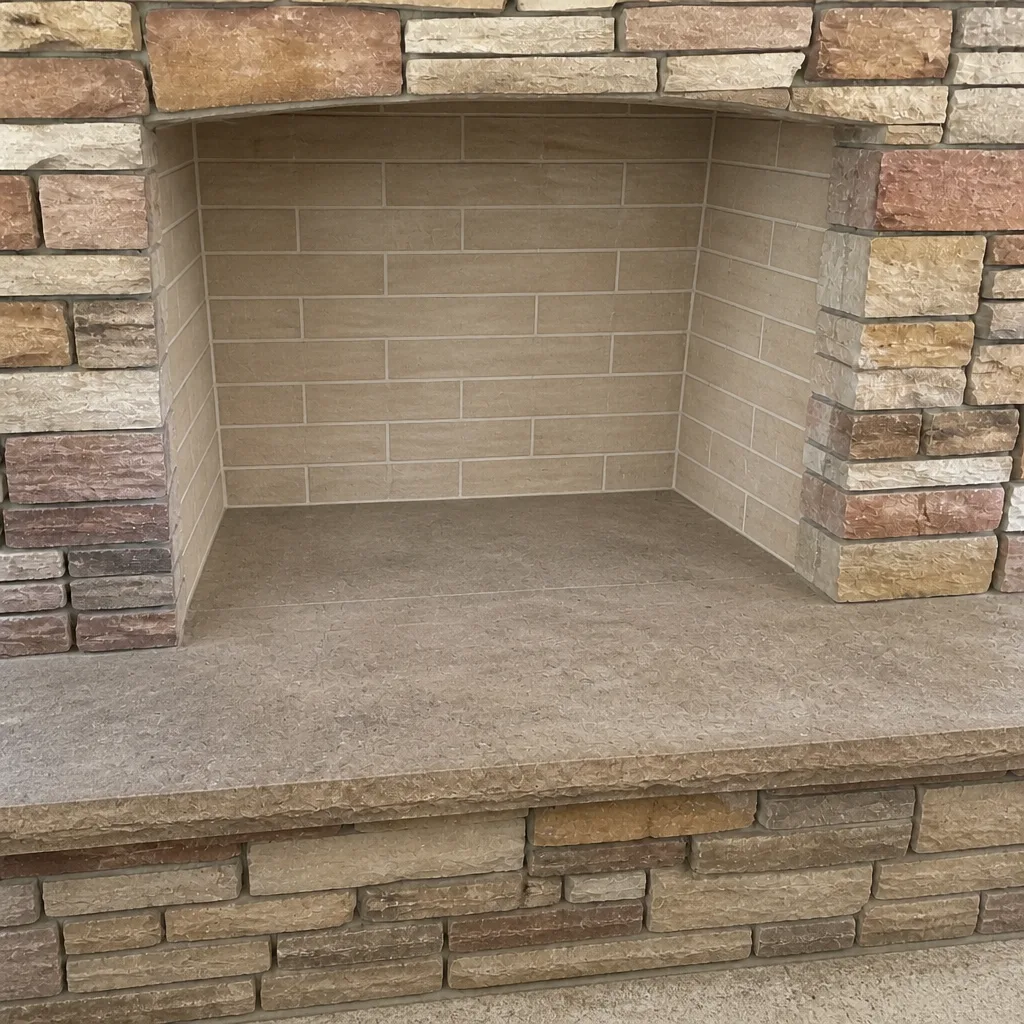 After
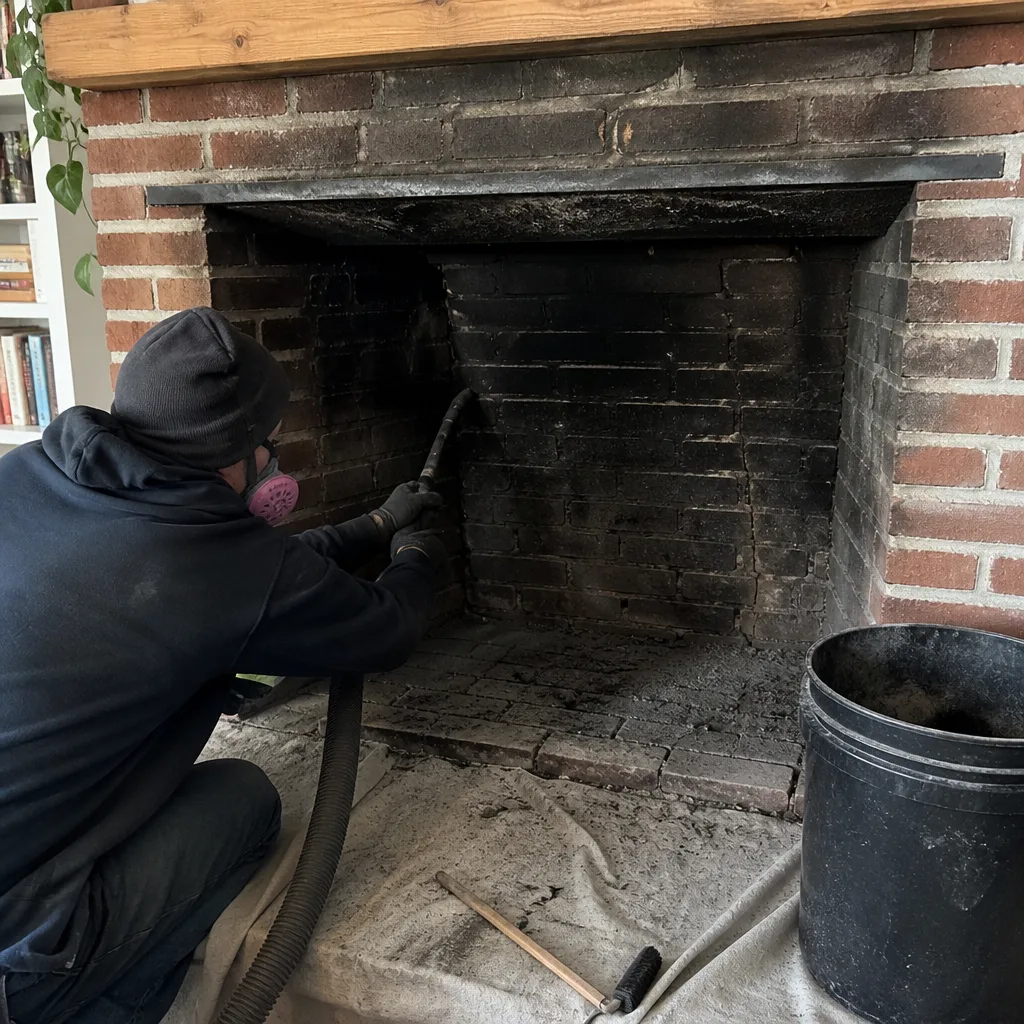 Before
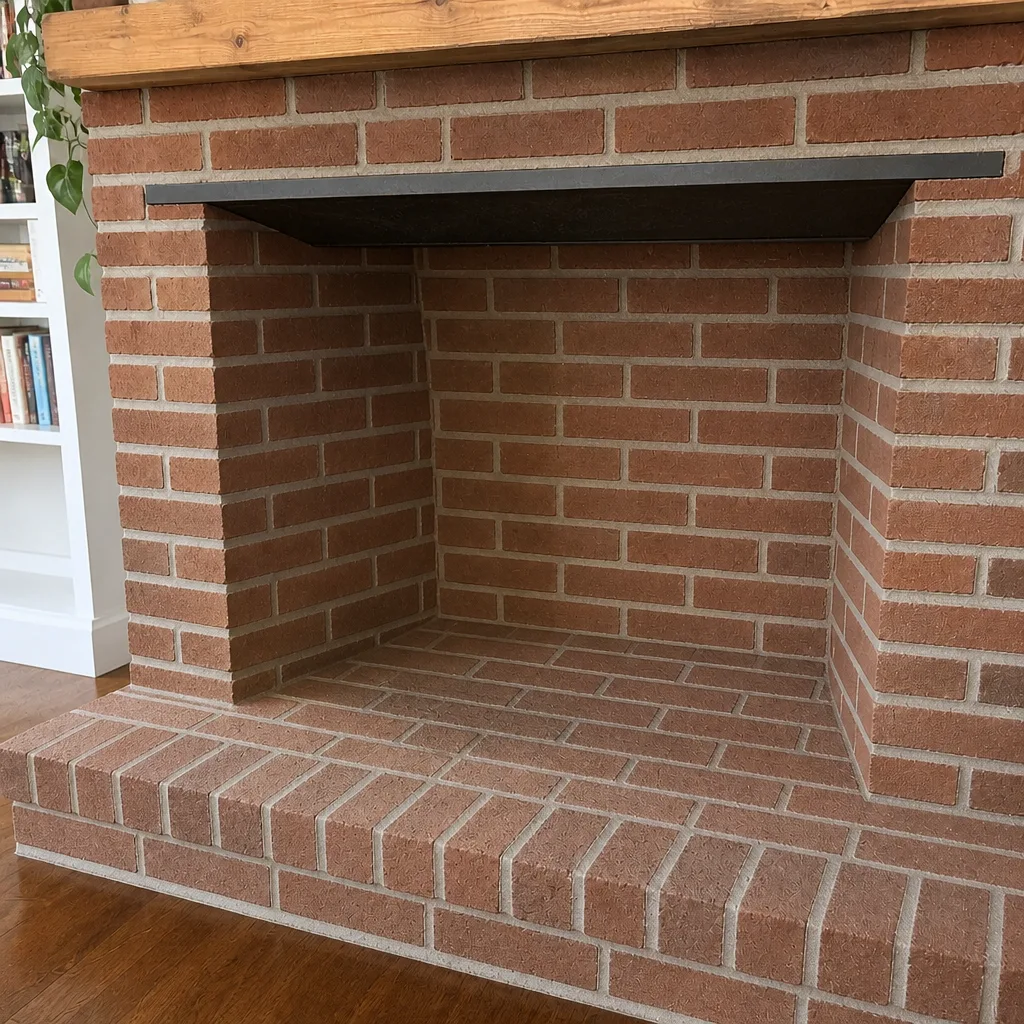 After