
Last updated November 23, 2026
 Sweep & inspection
 Caps & crowns
 Flue relining
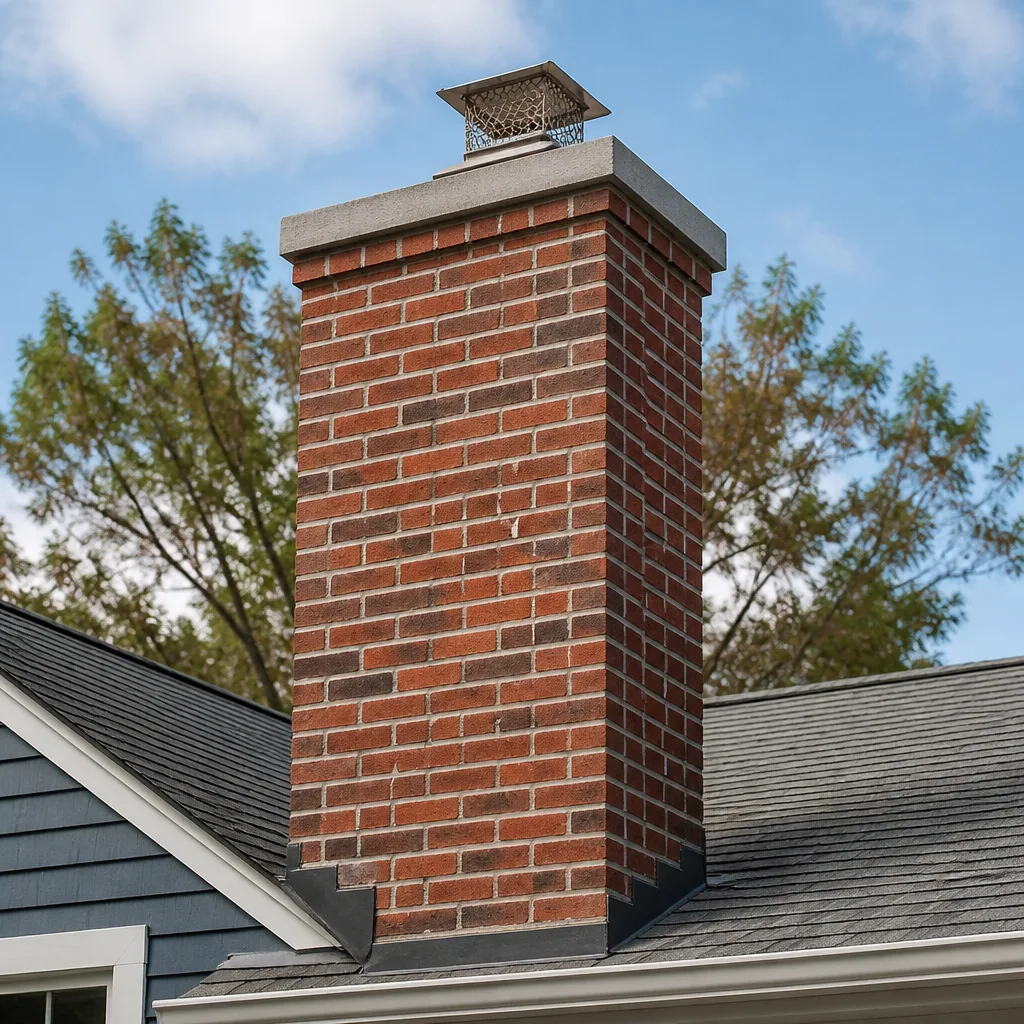 Masonry repair
 Gas fireplace service
Level 1 sweep and inspection to the NFPA 211 annual standard - flue, crown, cap, and flashing checked and photographed
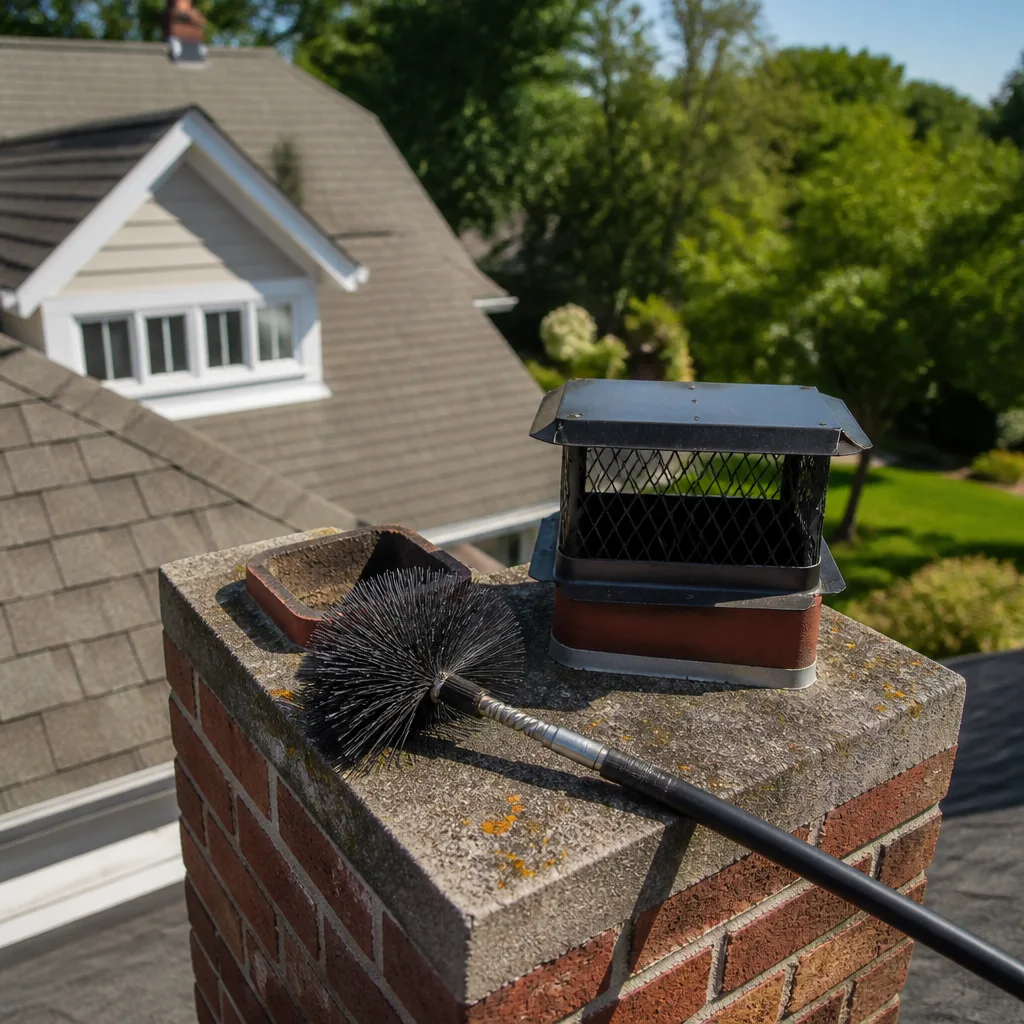
Chimney sweep logs do not sweep chimneys. They loosen some creosote - which then falls where a brush and vacuum still have to collect it.
Chimney Cleaning Warning Signs: A Lakewood Homeowner’s Reference Guide
Most homeowners assume a chimney problem announces itself with smoke pouring into the room or a fire that won’t draw. In practice, the earliest warnings are quieter: a faint smell in an upstairs bedroom, a chalky white stain on the back of the firebox, a hairline crack in the crown that only shows after a hard freeze. Lakewood sits in a high, dry, sunny corridor where the temperature swings hard from afternoon to overnight for much of the year, and that swing is rough on masonry. This guide translates those quiet symptoms into plain diagnoses so you know what’s cosmetic, what’s structural, and what means stop using the fireplace today.
Quick Answer
The main chimney warning signs in Lakewood are a smoky or creosote smell in rooms away from the fireplace, rusty or warped damper parts, spalling firebrick or white efflorescence inside the firebox, cracked or recessed exterior mortar, a visibly damaged crown, and a fire that smokes or drafts slowly. Any sign that involves a compromised flue or crown means stop burning and schedule an inspection before the next fire. Smell-only or cosmetic signs usually allow you to book at your next service interval.
Styles & brands we work with
- Sweep & inspection
- Caps & crowns
- Flue relining
- Masonry repair
- Gas fireplace service
Table of Contents
- What Your Nose Tells You: Creosote, Animals, and Water
- Reading the Firebox: Firebrick, Efflorescence, and Damper Rust
- Exterior Signs You Can See From the Ground
- Operational Symptoms: Slow Draft, Smoke Rollout, Heavy Smoke
- Severity Triage: Do Not Use vs. Schedule Within 30 Days
- Why Lakewood’s Freeze Cycles Worsen Chimney Damage
- What a Proper Inspection Actually Involves
- When to Book a Sweep in Lakewood
What Your Nose Tells You: Creosote, Animals, and Water
A smell in the house is one of the most misread chimney signals. There’s a strong overlap between three very different problems, and each one has a distinct odor profile once you know what you’re sniffing for.
Creosote odor is the acrid, tarry smell of a fireplace that hasn’t been swept in a while. It tends to be strongest on warm days and in humid weather, when the deposit in the flue releases vapor into the cooler house. A light creosote smell is a normal cue that your sweep is due soon. A strong, sharp smell that drifts into rooms far from the fireplace points more to airflow than to volume of deposit.
Animal debris often smells musky, earthy, or faintly like a barn. It usually comes with scratching or fluttering sounds, and the smell sits at the top of the flue rather than inside the firebox. A missing or damaged cap is almost always the root cause, because an open flue is an open door for birds, squirrels, and raccoons.
Water intrusion smells damp and slightly sour, like a basement that’s been wet too long. It tends to appear after rain or snowmelt and often travels with a musty odor from the firebox itself. Water getting past a failing crown or a damaged cap sets up the conditions for rust, spalling, and eventually structural decay.
The odd one out is a smoky smell in a room two floors above the fireplace with no fire burning. In our experience that’s usually a negative draft problem driven by a compromised crown, not a “drafty house.” It’s also the kind of carbon monoxide precursor most homeowners write off as normal. When you detect that pattern, treat it as a stop-and-check situation, not a curiosity.
If any of these smells show up in your Lakewood home, the honest first step is an inspection rather than guesswork. We inspect first, then recommend.
Reading the Firebox: Firebrick, Efflorescence, and Damper Rust
The inside of your firebox carries a running record of how your chimney is behaving. Three telltale patterns are worth knowing.
Spalling firebrick
Spalling means firebrick is flaking, pitting, or crumbling at the surface. It usually points to heat shock or moisture getting into the brick and then expanding as it freezes. A few hairline surface cracks in the firebrick can be normal wear. Anything deeper, or any brick that’s starting to shed material, is a structural warning and should be evaluated before the next fire.
Efflorescence on the back wall
That chalky white bloom on the back wall of the firebox is efflorescence: mineral salts drawn to the surface by moisture migrating through masonry. It’s not the mineral itself that matters, it’s what the mineral proves. Water is finding a path through the brick or mortar, and the salts are the visible signature. Efflorescence on the back wall of a Lakewood firebox often links to a failing crown or a leaking chimney cap, both of which we cover under chimney cap & crown.
Rust on the damper plate
Damper assemblies are metal and metal rusts when it’s wet. Rust on the damper plate, or a damper that sticks, seizes, or drops crookedly, is a moisture signal as much as a mechanical one. In severe cases the damper can’t close fully, which means the flue stays open to the house, which in turn means heat loss and a stronger creosote smell in living space.
What each sign means
- Spalling firebrick = structural and heat-exposure concern. Inspect before next fire.
- Efflorescence = active moisture movement. Trace to crown, cap, or flashing.
- Rust or stiffness in damper = moisture exposure plus a functional problem. Repair or replace.
If a firebox repair or a damper replacement is needed, that work sits under fireplace repair and is best done by someone who handles the chimney itself, not just the cosmetic surround.
Exterior Signs You Can See From the Ground
You can spot a great deal of chimney trouble with a pair of binoculars and five minutes on the sidewalk. Look for three patterns.
Staining on the chase
Dark vertical streaks on the chimney chase, especially below the crown or around the cap, usually mean water is running down the outside instead of shedding away. Rust-colored streaks are a stronger signal because they suggest metal inside the chimney is corroding. White staining on the exterior brick is the same efflorescence process you see inside, appearing where moisture is escaping the masonry.
Mortar joint recession
Mortar is the softer part of a masonry wall and it wears first. If the joints between bricks are hollowed out by even a quarter inch, water can pool and freeze in them, opening them further with each cycle. On a Lakewood chimney, that cycle is a daily routine for much of the year, which is why we see more mortar recession here than homeowners expect.
Crown cracking
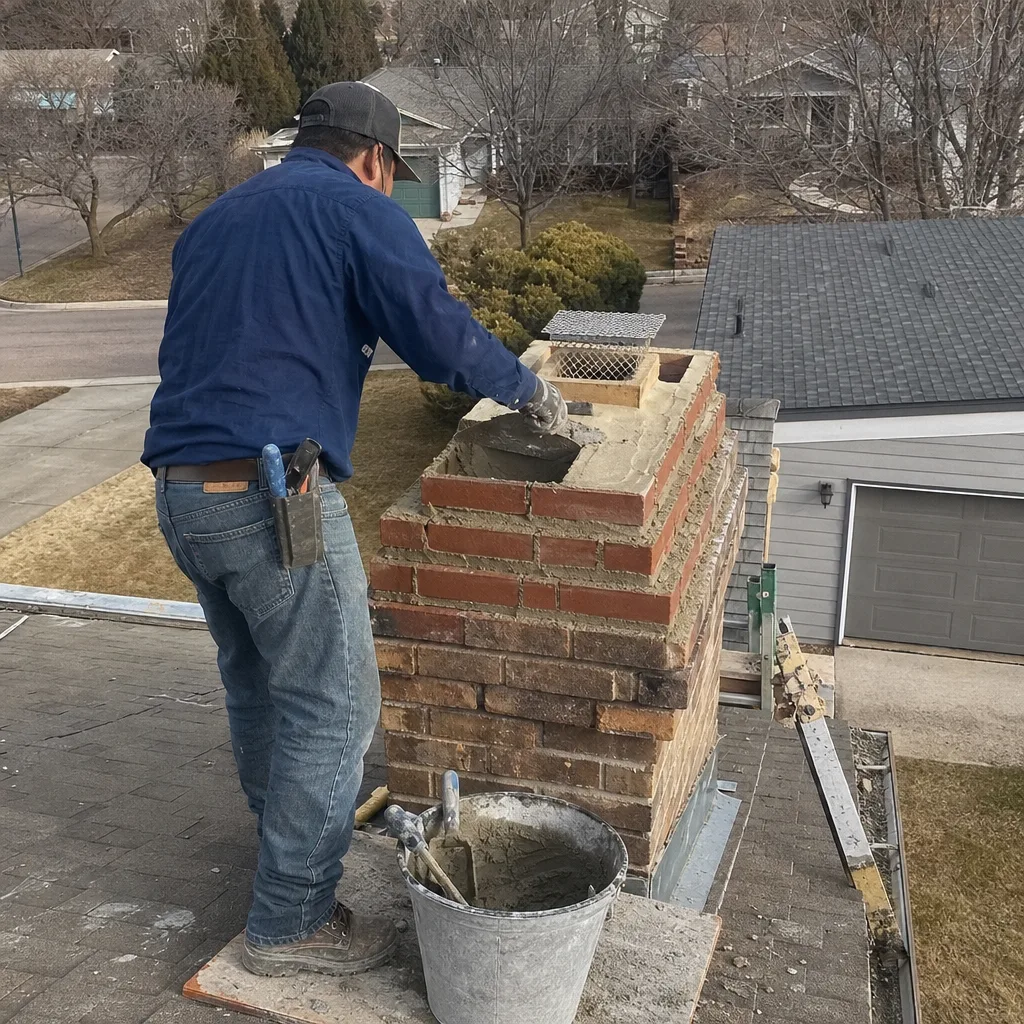
The crown is the concrete or mortar cap at the very top of the chimney. Its entire job is to shed water away from the masonry below. Once it cracks, water gets in at the exact point where the flue meets the structure, and that’s the highest-risk place for water to enter a chimney. A cracked crown is one of the two most common sources of water intrusion we see, alongside a damaged cap. Both sit squarely in the chimney cap & crown category, and both are best caught early. Rebuilding a crown is far cheaper and far simpler than repairing masonry downstream.
If you can see a damaged crown from the ground, that alone justifies booking an inspection. You don’t need a second opinion to schedule a look.
Operational Symptoms: Slow Draft, Smoke Rollout, Heavy Smoke
How the fireplace behaves under fire tells you which problems are airflow and which are structural. Three patterns are worth separating.
Slow draft
If a fire lights lazily and takes a long time to pull, or the flame leans toward the room, the chimney isn’t moving enough air. Causes range from a cold flue to a partially blocked flue, a house that’s depressurized by kitchen or bath fans, or a flue that’s undersized for the appliance it’s serving.
Smoke rollout at a low fire
Smoke rolling into the room when the fire is small is often a pressure balance issue rather than a chimney defect. Modern homes are tight, and the chimney is competing with bath fans, kitchen hoods, and dryers for make-up air. A quick diagnostic is to crack a window near the fireplace and see whether the rollout improves.
Excessive smoke output
Heavy smoke from a fire that should be burning clean usually means wet wood, a cold flue, or poor draft. Seasoned firewood makes a visible difference.
Liner sizing vs. airflow
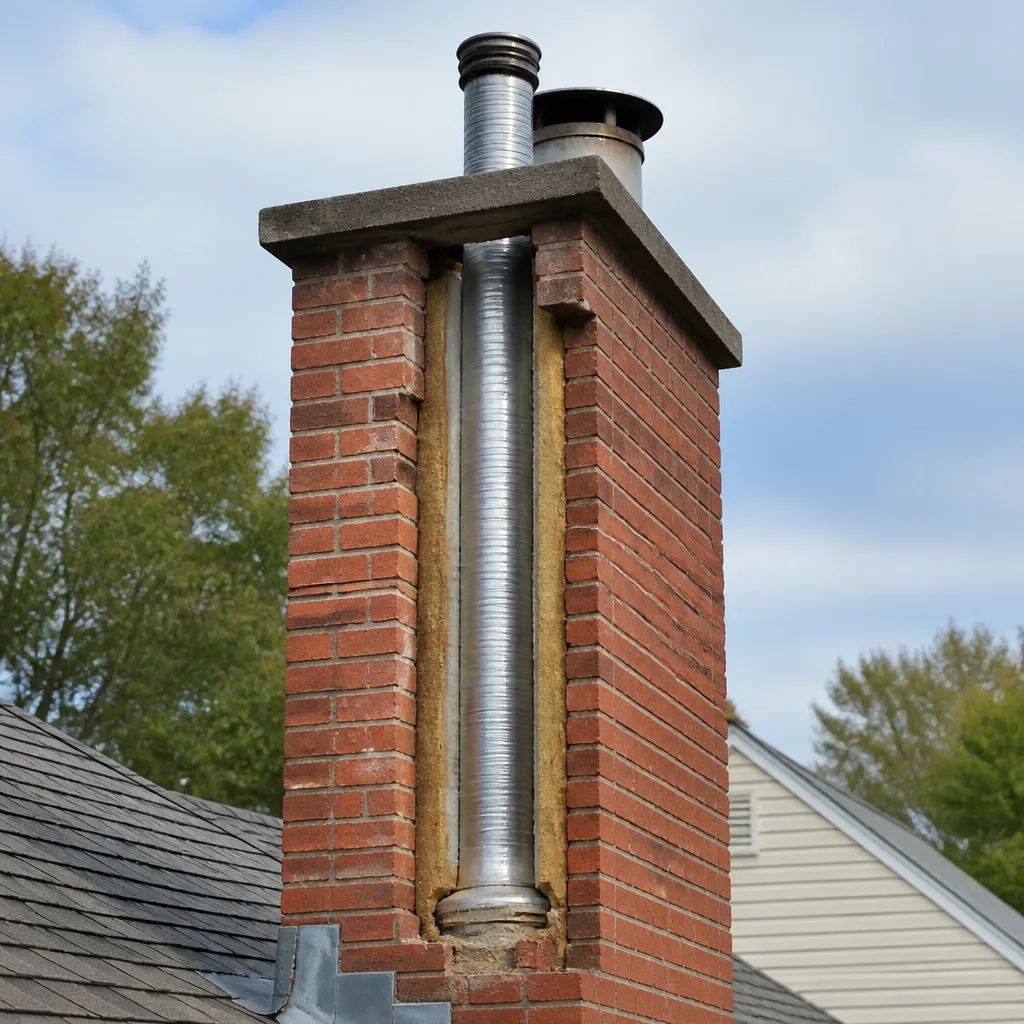
Some operational symptoms come from the flue liner being wrong for the appliance. An oversized flue runs too cool and smokes; an undersized one restricts the appliance and rolls smoke back. If you’ve lived with slow draft for years and nothing you try changes it, the liner is worth investigating. Flexible liner systems such as DuraFlex are built to correct installations in chimneys with offsets or irregular flue paths that rigid liners can’t handle. Where the flue is sound but worn, HeatShield resurfacing can often restore the flue without a full tear-out.
Severity Triage: Do Not Use vs. Schedule Within 30 Days
Here’s the part that matters most. Not every warning sign is urgent, and not every sign lets you keep using the fireplace. Use this triage as a first read.
- Stop using the fireplace until inspected: cracked or separated flue liner; visible damage to the crown with moisture inside the chimney; spalling or crumbling firebrick at the firebox; any smoky smell upstairs with no fire burning; visible smoke rollout into the room; debris visible inside the flue; a fire burning differently after a chimney fire event.
- Schedule service within 30 days: persistent creosote odor; light rust on the damper plate; efflorescence on the firebox walls with no active water intrusion; slow draft that a cracked window resolves; missing or damaged chimney cap; moderate mortar joint recession on the exterior; a sweep that is simply overdue for the burn season.
- Monitor and address at your next inspection: minor hairline surface cracks in firebrick; faint staining on the chase exterior; isolated moss or lichen growth on the brick; a damper that’s stiff but still closes fully.
If you’re unsure which column a symptom belongs in, book the inspection. It’s the cheaper and safer answer. A sweep or an inspection report will tell you whether the risk is real or cosmetic, and with camera inspection you see the picture for yourself. Nothing is recommended without evidence you can look at.
A quick numbered diagnostic routine
- Smell the house with no fire burning. Note where and when the smell appears.
- Look into the firebox for spalling brick, efflorescence, or rust on the damper.
- Step outside with binoculars. Check the crown, the cap, mortar joints, and the chase for staining.
- Light a small test fire. Note draft, flame direction, and whether smoke rolls out.
- Cross-check symptoms against the triage above, and book accordingly.
Why Lakewood’s Freeze Cycles Worsen Chimney Damage
Lakewood’s climate is doing something specific to masonry that a homeowner in a milder region wouldn’t face. The pattern is a warm, sunny afternoon followed by a hard overnight drop, and that’s exactly the routine that cracks concrete crowns, opens mortar joints, and pushes moisture into brick.
Water enters a hairline crack in the day, when the sun warms the chimney face. That night it freezes, expands, and widens the crack a little more. Over a winter, a small crown crack becomes a wide one. Over several winters, the same cycle works its way through the mortar joints and into the firebox walls. This is why crown work matters so much in Lakewood, and why it’s cheaper to address a crack early in the season than after a hard freeze has widened it.
Lakewood also sits inside the burn season that most of the Front Range shares, roughly late fall through early spring. That means your chimney gets an intense stretch of use in exactly the months the freeze cycles are doing their worst. The result is that a chimney can go from “fine” to “needs repair” inside a single season, which is why the pre-season inspection carries real weight here.
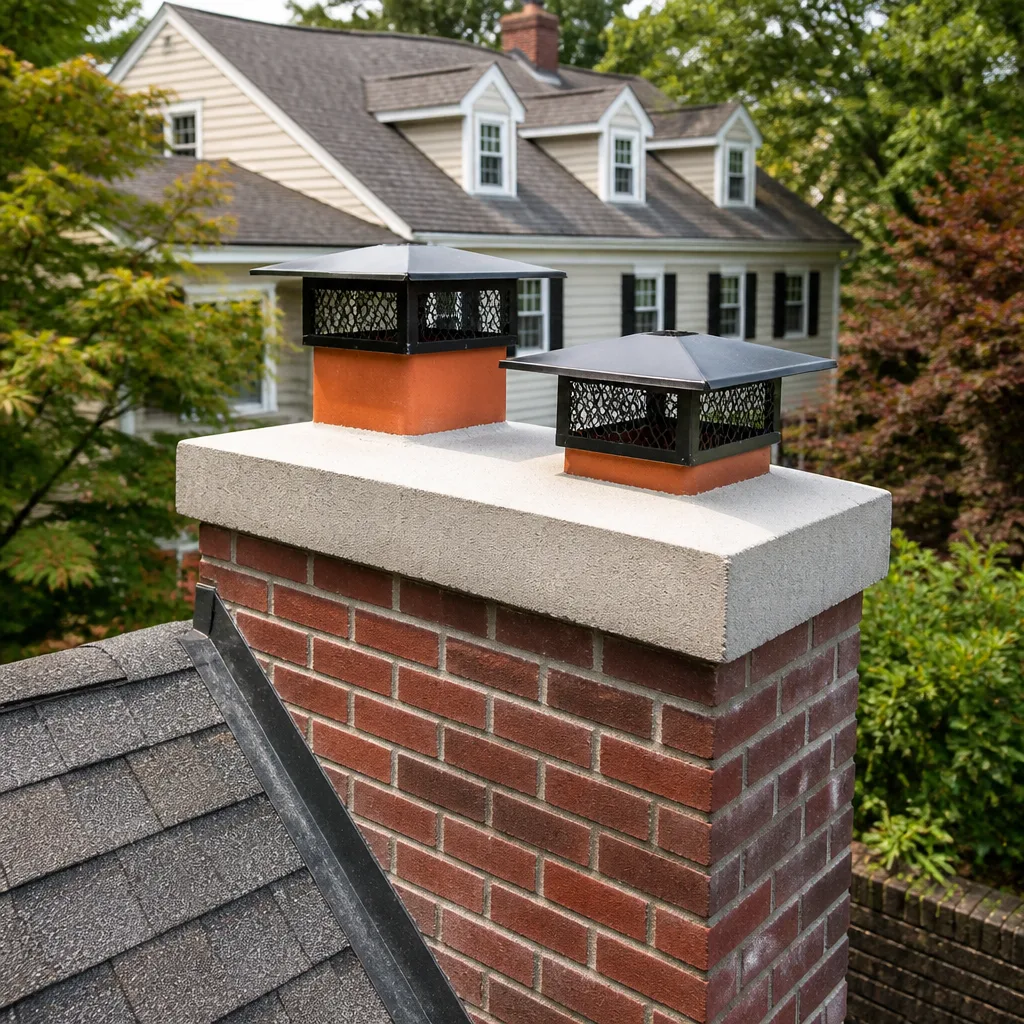
A chimney cap and a sound crown pull double duty in this climate: they shed water and they block the ice that would otherwise find its way in. Gelco and Olympia Chimney caps are trade-grade products built for exactly this job. If your cap is missing, bent, or under-sized, that’s a straightforward fix that prevents a great deal of what we’ve described above.
What a Proper Inspection Actually Involves
A useful chimney inspection is more than a glance up the flue. Here’s what a real one covers.
- Exterior check. Crown, cap, mortar joints, chase condition, and any visible staining are documented from the roof.
- Firebox inspection. Firebrick condition, damper operation, and efflorescence are all noted on the report.
- Camera inspection of the flue. A camera run through the flue gives you a clear picture of the liner’s condition, any gaps, any creosote buildup, and any obstruction.
- Photo report. A written report with photos, so you can see what the inspector sees.
- Recommendations. Anything from “you’re fine until next season” to “this needs repair before you burn again,” with the evidence behind each call.
We inspect first, then recommend. That sequence is what makes a chimney report useful: you don’t get a repair bill, you get a diagnosis with pictures. If a flue liner is worn but intact, restoration with HeatShield can often bring it back into service without the cost of a full replacement. If the flue path is irregular, a flexible liner system like DuraFlex is the correct fit where a rigid liner would fail. Either way, you see the reason before the work begins.
For a routine visit, this pairs naturally with a chimney sweep. The sweep removes what’s safe to remove, and the inspection tells you the condition of what remains.
When to Book a Sweep in Lakewood
The simplest answer: book before the burn season begins. Late summer and early fall are the ideal window in Lakewood, because that’s before the fireplace starts running and before the freeze cycles start opening up any weak spots in the masonry. Booking then means any needed repair can be done before you need the fireplace, not during the week you want to use it.
If you’re already past the season opener, don’t skip the sweep just because you’re late. Even a mid-season inspection is worth more than waiting. A sweep that catches a creosote buildup before it thickens is a safer fireplace and a cheaper cleaning.
Book by expected use, not by the calendar the sweep happens to fit. A household burning several cords a season needs a sweep sooner than one that lights a fire a dozen times a winter. If you use the fireplace daily during the cold months, book the sweep at the start of the season and expect a follow-up at the end if the flue tells you to. If you’re seeing any of the warning signs we’ve covered here, book now and treat the sweep as a full inspection while we’re there. That’s what we do as a Chimney Sweep Lakewood Pros company: sweep and inspection as the same visit rather than two separate appointments.
Common Mistakes to Avoid
- Treating a smoky smell as a drafty house. In a Lakewood home with a compromised crown, that smell is often a negative draft signature. Dismissing it as fresh air misses the actual warning sign.
- Painting over a cracked crown instead of fixing it. Paint seals nothing structural. The crack continues to open through the freeze cycles until water gets inside the chimney, and by then the repair is much larger.
- Assuming a sweep equals an inspection. A sweep removes buildup; an inspection diagnoses condition. If you only book a sweep, ask for the inspection report at the same visit so any warning signs get caught.
- Reading a chalky white bloom as mold. Efflorescence is mineral salts left behind by water migrating through masonry. The salt isn’t the issue; the water path is. Treat it as a moisture investigation, not a cleaning job.
- Burning unseasoned wood to “get by.” Green wood produces more creosote, and Lakewood’s burn season is long enough that a half-season of wet wood is enough to build a real deposit. Season your firewood.
- Ignoring rust on the damper. Damper rust is a water signal. If the damper plate is corroding, something upstream is leaking, and the fix is usually up top at the cap or crown.
- Skipping a pre-season inspection because “last year was fine.” A Lakewood chimney can pass one burn season and fail the next, because a freeze cycle is a year-over-year accumulation. The inspection is what catches the change.
See the difference
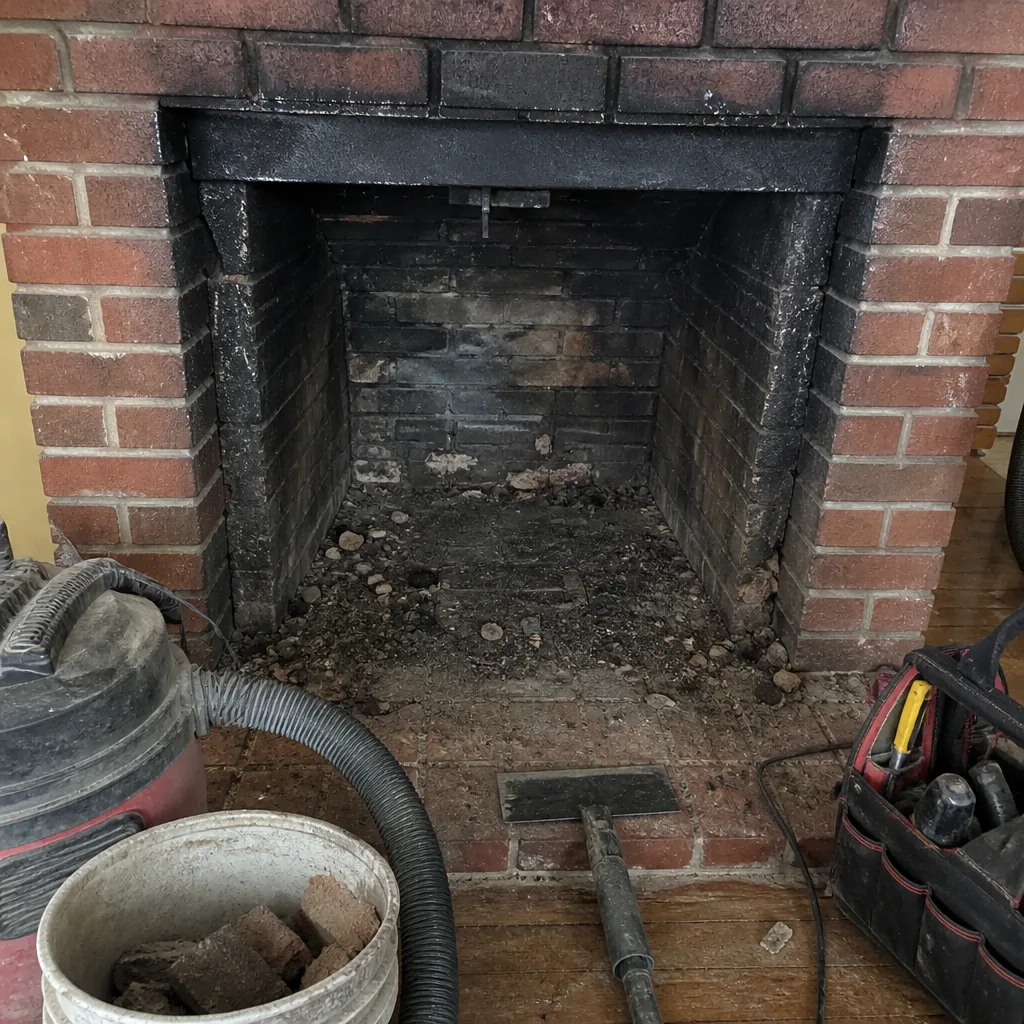 Before
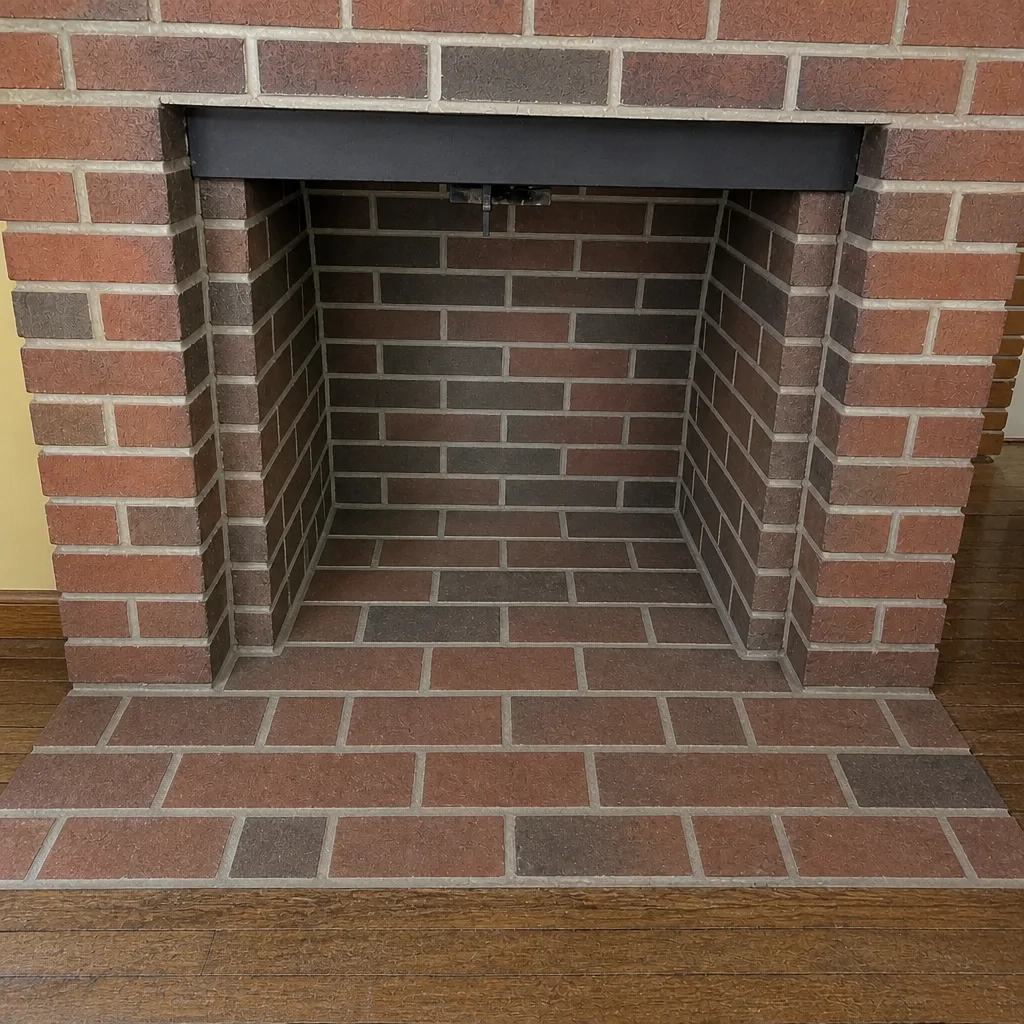 After
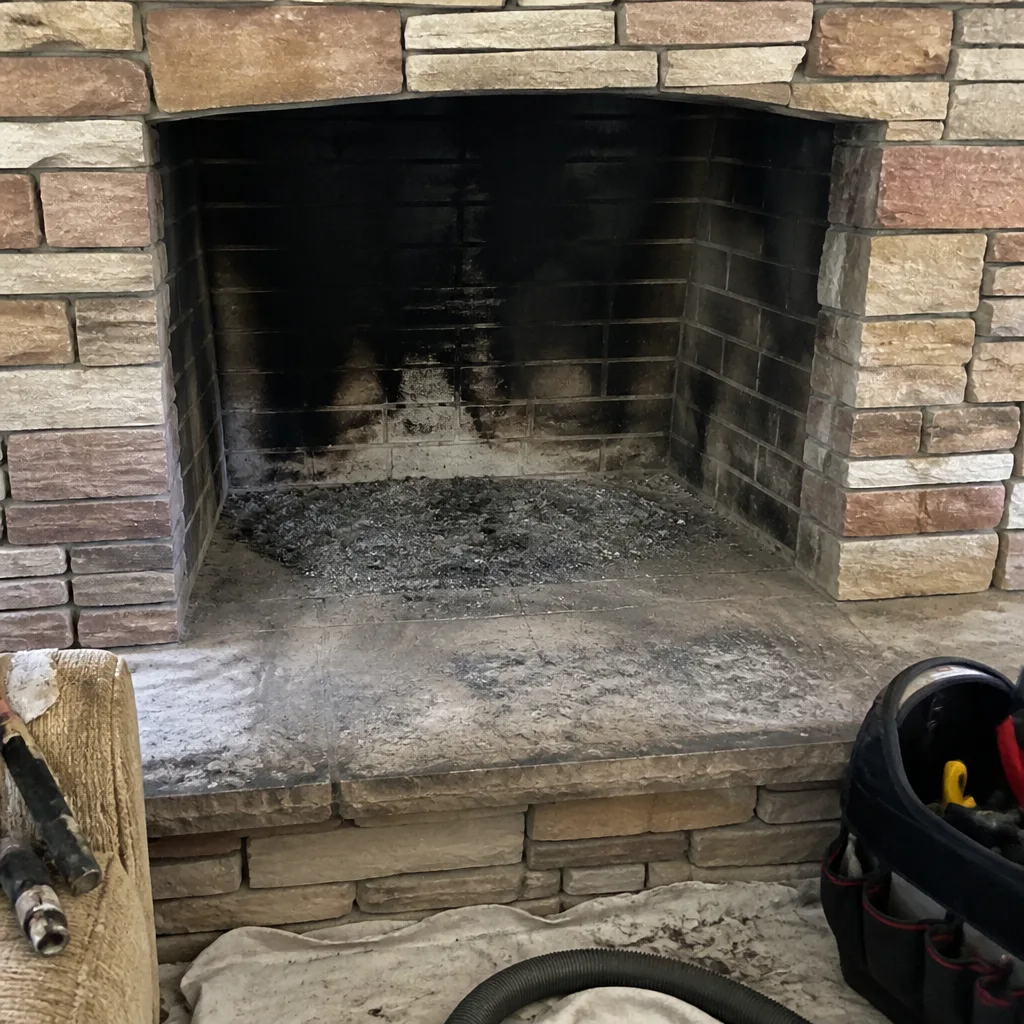 Before
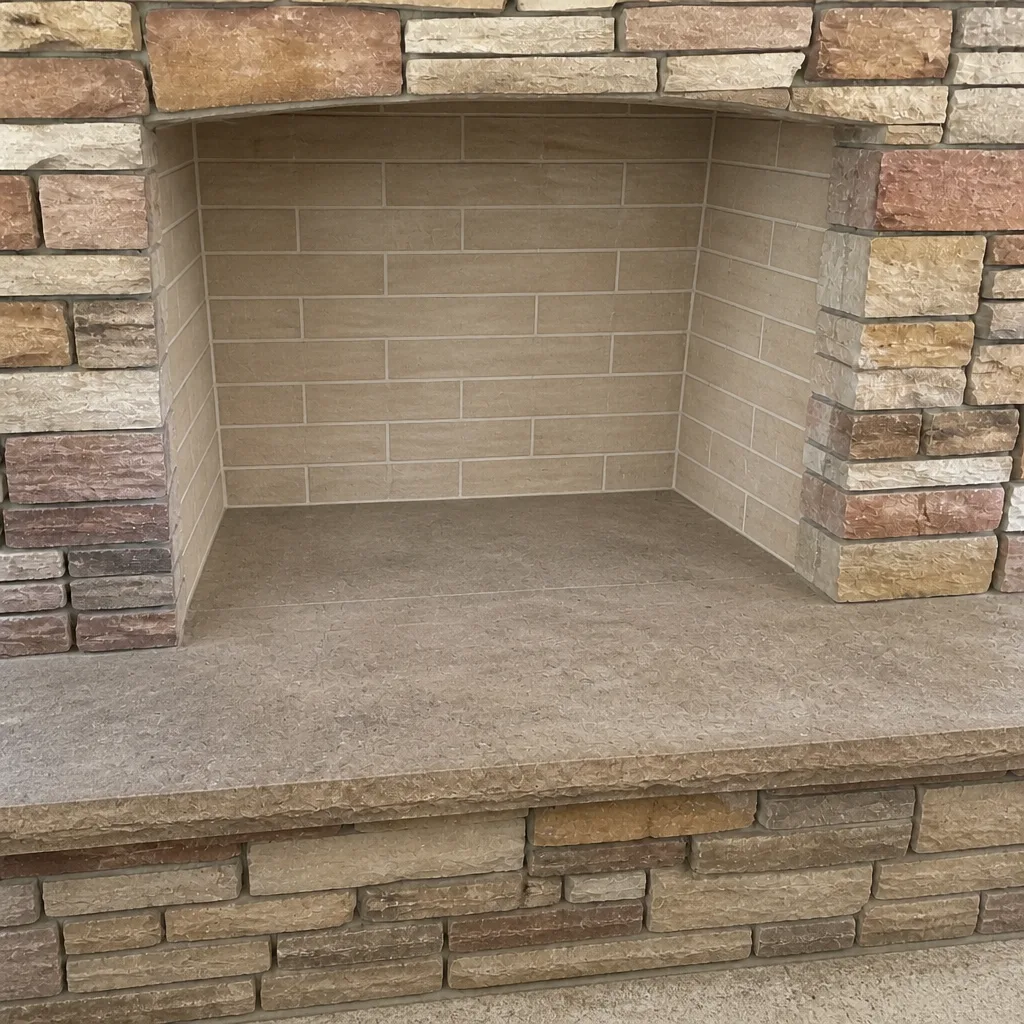 After
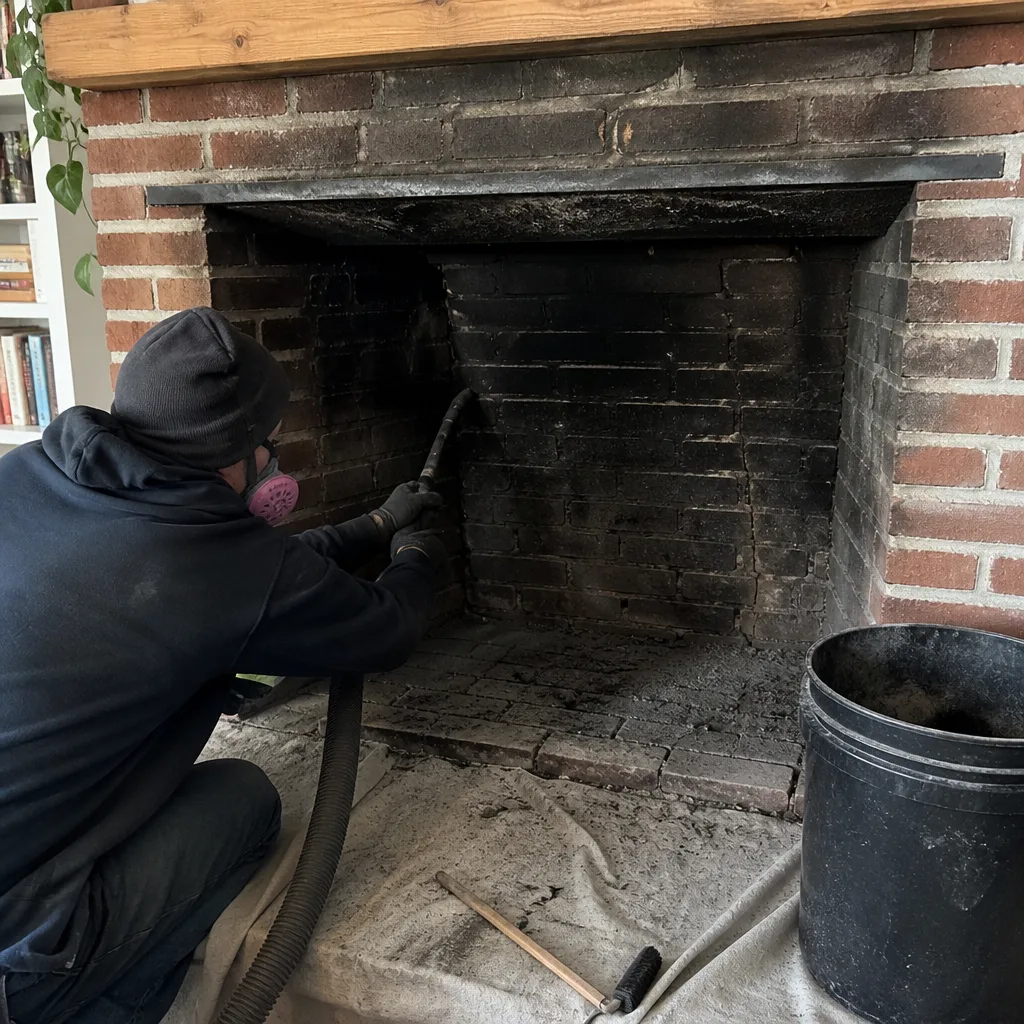 Before
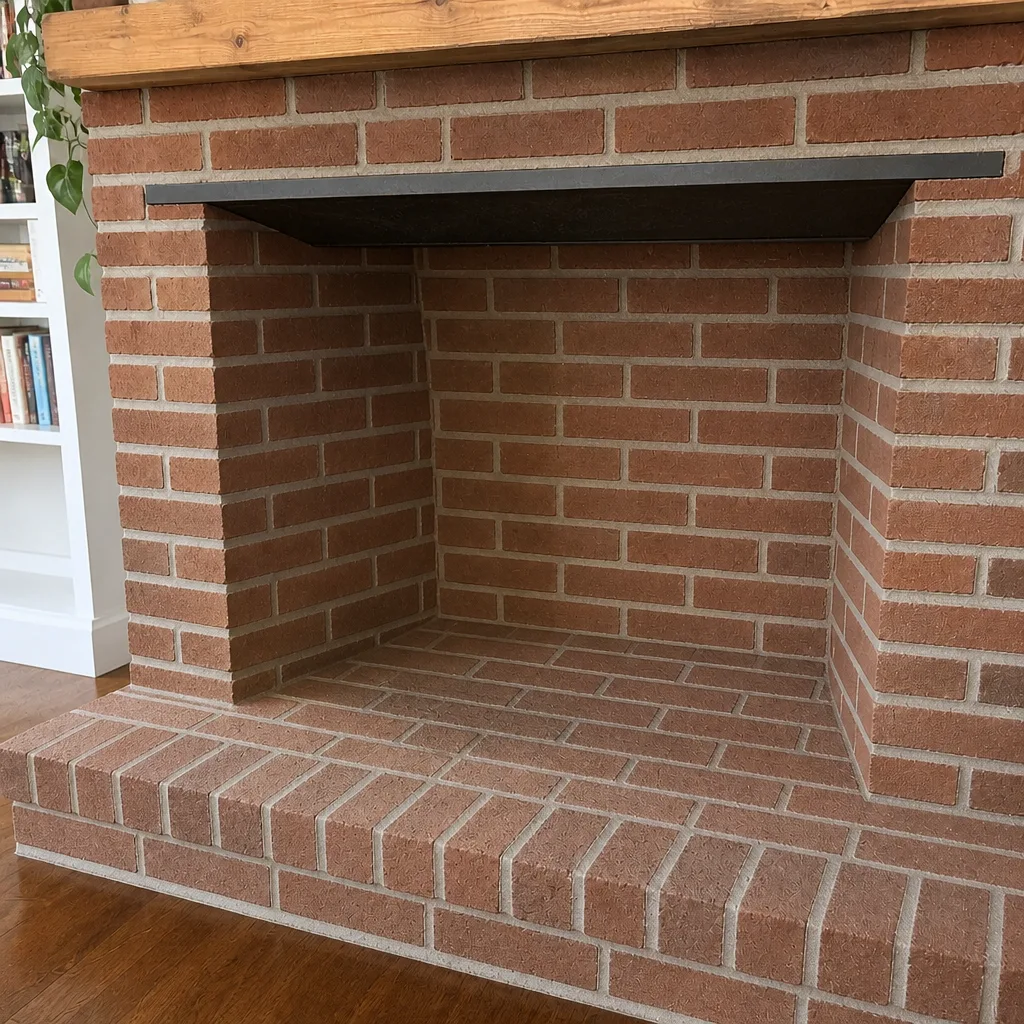 After
When to Call a Professional
Call a professional if you see any of the following: a smoky smell in a room away from the fireplace with no fire burning; visible damage to the crown; a missing or damaged cap; rust on the damper plate; spalling firebrick or white efflorescence inside the firebox; persistent smoke rollout into the room; a fire that burns differently after a chimney fire; or a sweep that’s simply overdue before the burn season begins. Also call if you bought the home recently and have no record of a prior inspection, or if the previous owner left the chimney unused for a long stretch. In a Lakewood home, those situations justify a look before the next fire rather than after. Chimney Sweep Lakewood Pros offers free estimates in Lakewood. Our technicians have up to 11 years of experience across sweep, inspection, fireplace repair, chimney repair, and cap and crown work, using professional-trade brands like DuraFlex, HeatShield, and Olympia Chimney. Call (877) 792-6835.
Frequently Asked Questions
The most serious signs are a cracked or separated flue liner, visible damage to the crown with moisture inside the chimney, spalling firebrick, and any smoky smell upstairs with no fire burning. These are all “stop burning until inspected” signals in Lakewood, because they carry a real fire or carbon monoxide risk. If any of them are present in your home, book an inspection before the next fire. Call (877) 792-6835 for an exact quote. Estimates are free.
A smoky smell in a room far from the fireplace with no fire burning usually points to a negative draft problem, most often from a compromised crown or cap. It’s the warning sign most homeowners write off as a drafty house, and it’s the one we’d most want you to take seriously. It’s also a carbon monoxide precursor, not a comfort issue.
Once a year is the standard starting point, ideally before the burn season begins. Homes that burn heavily through Lakewood’s long cold months should book at the start of the season and again at the end if the flue shows a heavy deposit. If you see any of the warning signs in this guide, book sooner rather than waiting for the annual slot.
A cracked crown is a real problem, not cosmetic. It’s the primary path water uses to get into masonry, and in Lakewood the daily freeze cycles widen the crack over a single winter. Repairing a crown early is far simpler than repairing the masonry downstream. It also protects the flue from the water that would otherwise reach it.
HeatShield resurfacing restores an intact-but-worn flue liner in place, without a full replacement tear-out. DuraFlex is a flexible liner system used when the flue needs a new liner, especially in chimneys with offsets or irregular flue paths that rigid liners can’t follow. The right choice depends on what the camera shows. Call (877) 792-6835 to book an inspection and find out which applies.
You can and should do a quick visual check: look for staining outside, rust in the firebox, and smoke rollout at a low fire. But camera inspection of the flue and an assessment of the crown and liner need a trained eye. Any sign that involves the flue or the crown means calling a professional before the next fire. Call (877) 792-6835 for a free estimate.
The Bottom Line
Chimney warning signs fall into two groups: the ones that mean stop burning today, and the ones that mean book a service within the next month. The stop-burning group is everything involving the flue, the crown damage, and the firebox itself: smoky smells upstairs with no fire, spalling brick, visible crown damage, or a fire that behaves differently than it used to. The schedule group is the quieter signals: creosote odor, efflorescence, light damper rust, and slow draft that a cracked window fixes. In Lakewood, the freeze cycles turn a small warning into a large repair if you wait. We inspect first, then recommend, and nothing is billed before you’ve seen the evidence. Call (877) 792-6835 for a free estimate. We answer 24/7. Fast dispatch from 7am to 7pm, Sunday through Friday. Same-day service is available.
Written by the team at Chimney Sweep Lakewood Pros.