
Last updated November 23, 2026
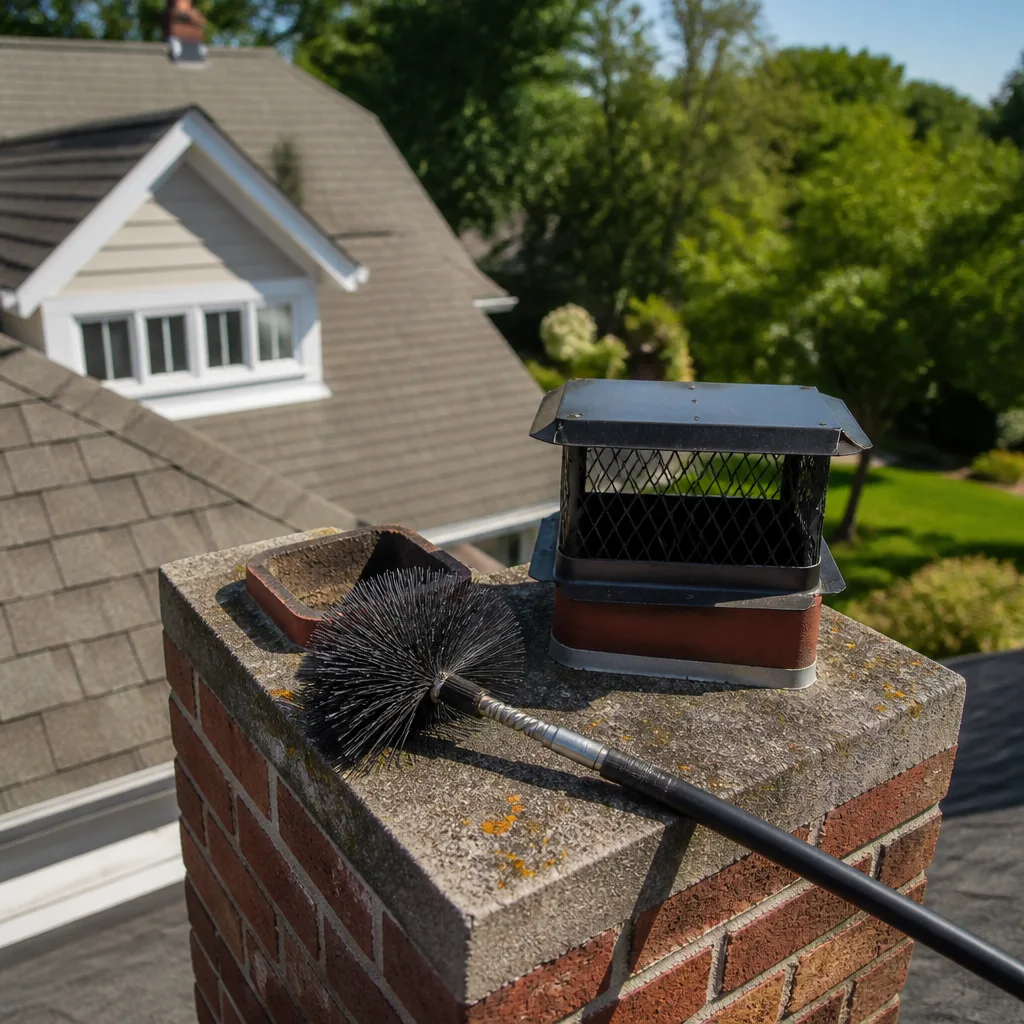 Sweep & inspection
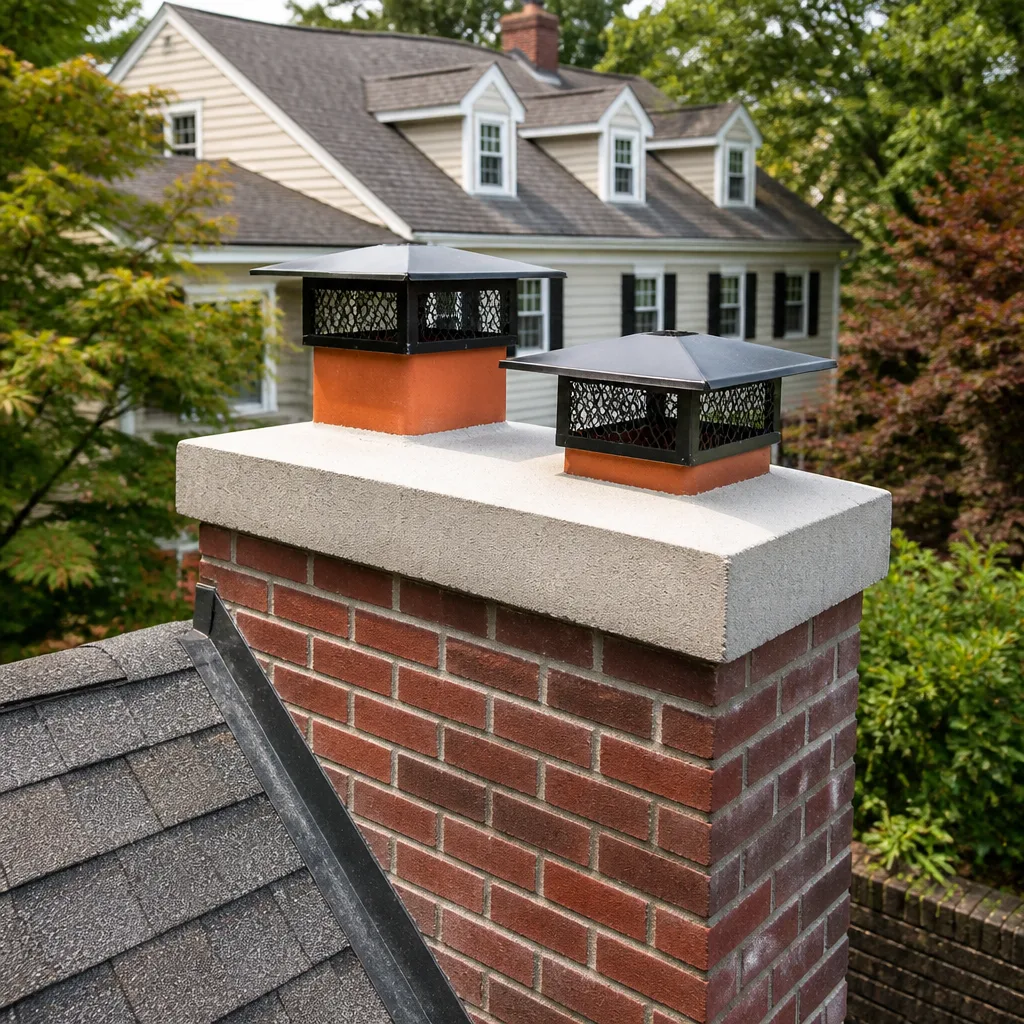 Caps & crowns
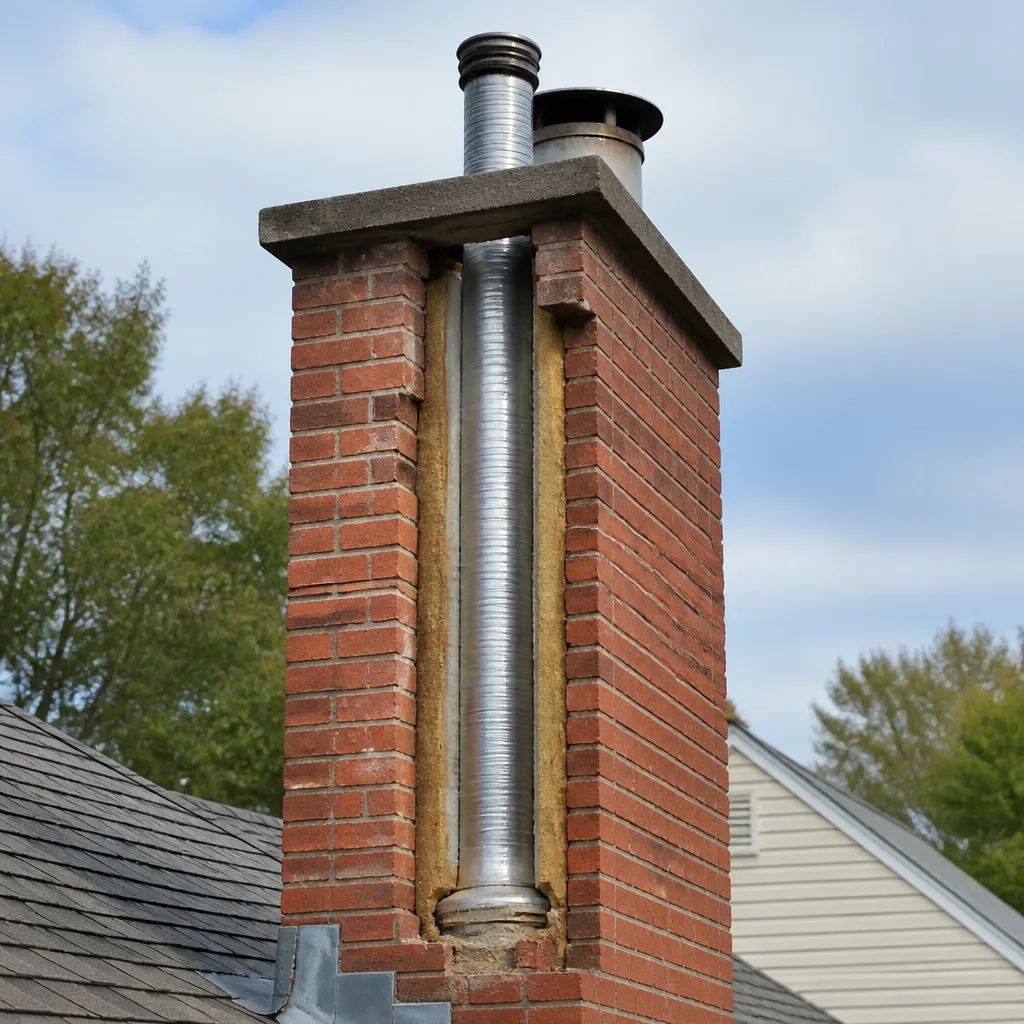 Flue relining
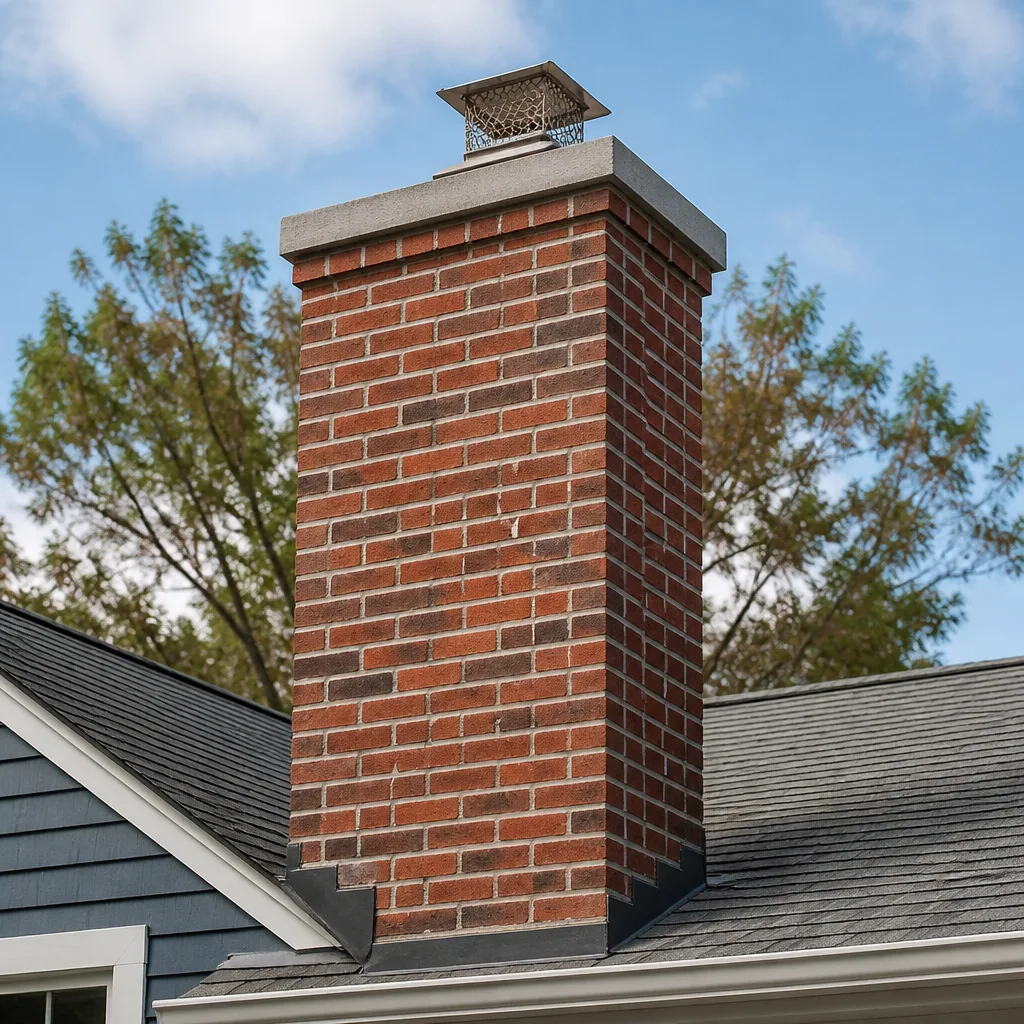 Masonry repair
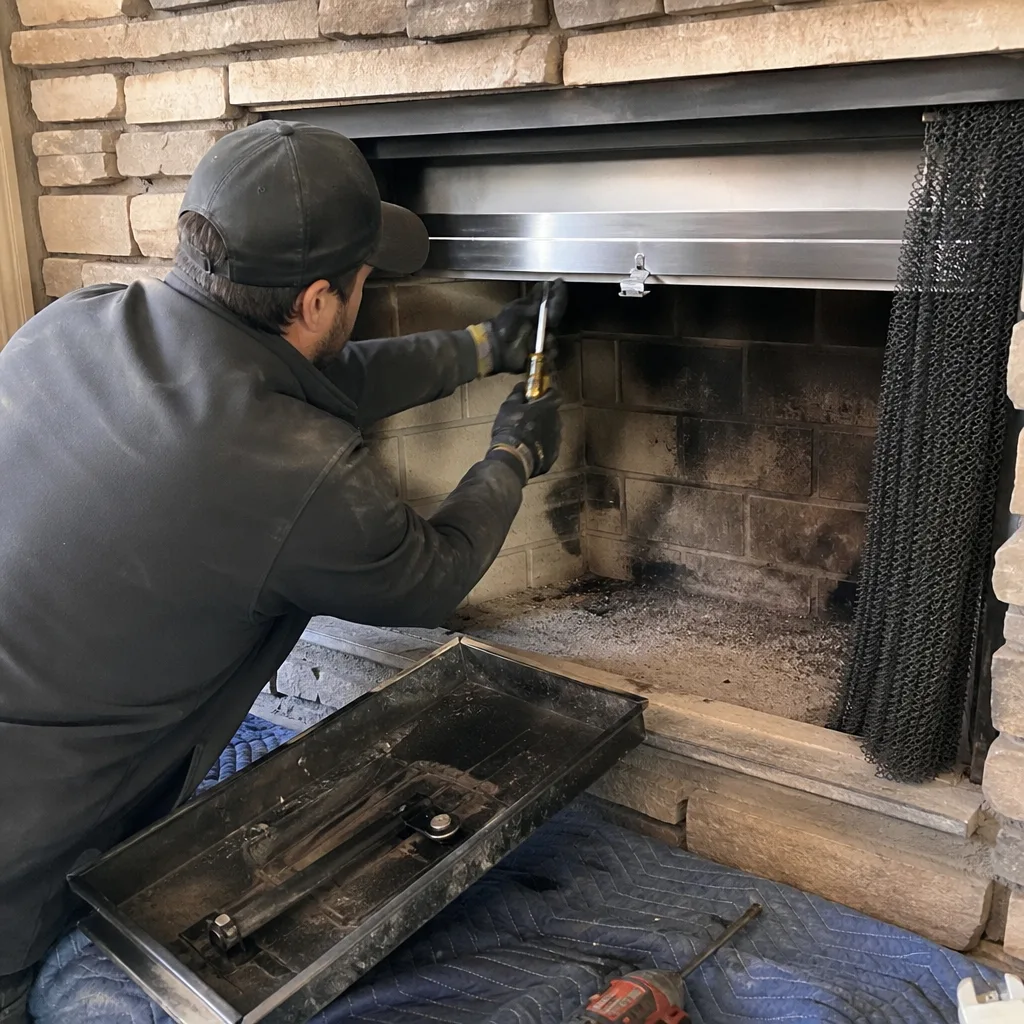
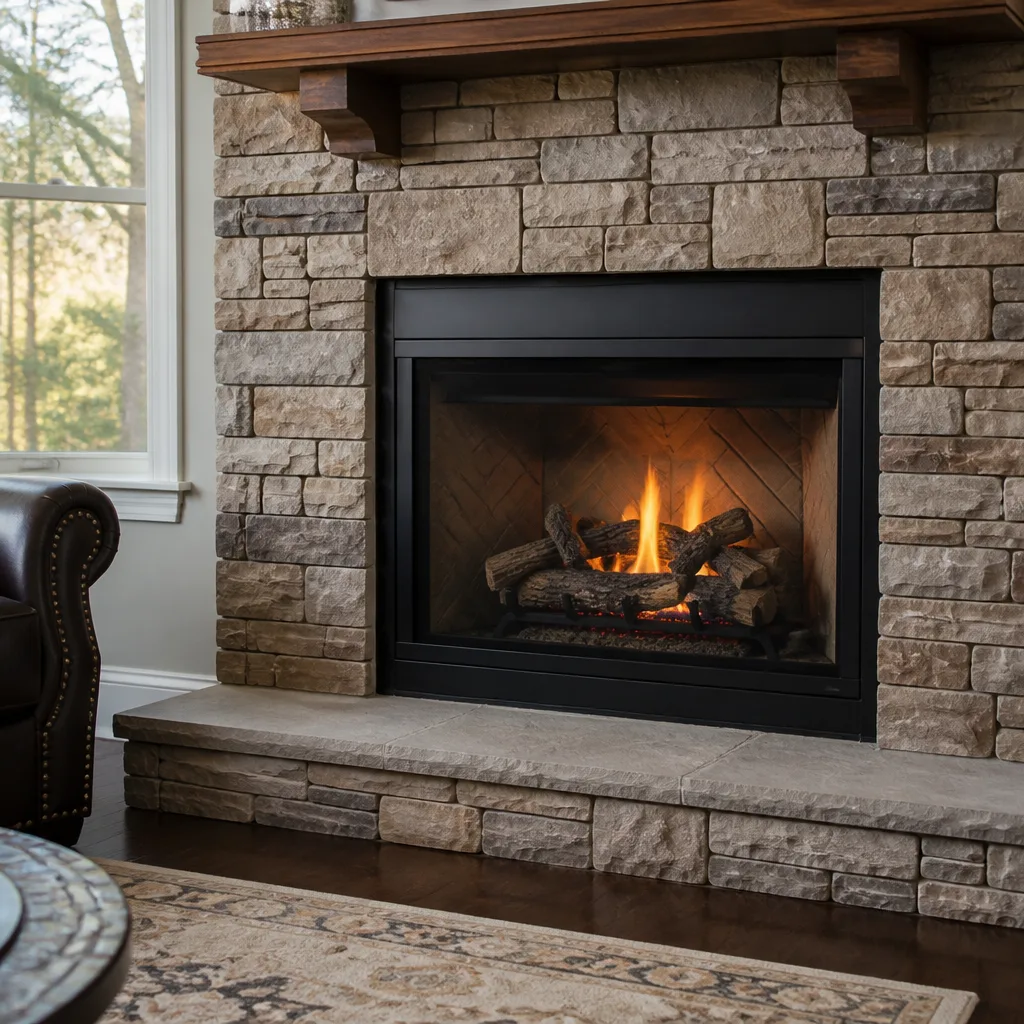 Gas fireplace service
Level 1 sweep and inspection to the NFPA 211 annual standard - flue, crown, cap, and flashing checked and photographed
Chimney sweep logs do not sweep chimneys. They loosen some creosote - which then falls where a brush and vacuum still have to collect it.
Chimney Cleaning Permits, Codes & Inspections in Lakewood, CO: What You Need to Know
Most of the work a chimney needs in Lakewood never touches a permit counter. Sweeping, inspection, cap replacement, crown sealing – routine maintenance. The confusion starts the moment the job shifts from cleaning to modification. A liner swap, a firebox rebuild, a new appliance vented into an existing flue: those cross a line, and in Jefferson County that line is drawn by adopted code, not by the contractor’s judgment. A permit isn’t paperwork theater. It’s the record that proves the work met the standard your insurer will ask about if there’s ever a claim. This guide separates maintenance from regulated work, explains how Colorado’s adopted residential code applies to your flue, what NFPA 211 requires of whoever inspects it, and how to verify that a job was actually permitted and signed off.
Quick Answer
Routine chimney cleaning and annual inspection in Lakewood, CO do not require a permit. Liner replacement, firebox modification, new appliance venting, and structural changes to the chimney do require a building permit through Jefferson County, and the work must meet the adopted International Residential Code plus NFPA 211. Skipping the permit doesn’t just create a code problem; it can complicate an insurance claim after a chimney fire or carbon monoxide incident, because the work has no inspection record behind it.
Styles & brands we work with
- Sweep & inspection
- Caps & crowns
- Flue relining
- Masonry repair
- Gas fireplace service
Key Takeaways
- Sweeping and inspection are maintenance. No permit, no inspection sign-off, no paperwork beyond the report you should keep.
- Liner replacement, firebox modification, appliance re-venting and structural chimney work are regulated. That means a permit and an inspection.
- Colorado operates under a statewide adopted residential code; Jefferson County administers permitting for work inside Lakewood.
- NFPA 211 is the standard inspectors and technicians reference when judging whether a flue is sized, clearanced and vented correctly.
- After a chimney-related claim, an adjuster typically wants a Level 2 inspection – camera-assisted, documented – not a verbal opinion.
- You can verify a permit and its inspection history yourself. That’s the whole point of the system.
Table of Contents
- What’s Maintenance and What Needs a Permit in Lakewood?
- How Colorado’s Adopted IRC Applies to Your Chimney
- NFPA 211 and What It Actually Requires
- Inspection Levels: What Each One Covers
- What an Insurance Adjuster Will Ask For
- How to Verify Permits and Inspections
- What Recourse You Have If Work Wasn’t Permitted
- Why Lakewood’s Climate Makes All of This Matter More
What’s Maintenance and What Needs a Permit in Lakewood?
The dividing line is simple to state and surprisingly easy to blur in practice: cleaning and evaluating a chimney is maintenance, while changing its components or configuration is construction. A technician sweeping creosote from a flue is not altering the building. A technician installing a new stainless liner is, and that installation has to comply with adopted code.
Here’s how the split usually falls for Lakewood homeowners:
- No permit typically required: chimney sweeping, Level 1 and Level 2 inspections, cap replacement with a like-for-like product, crown repair and sealing, masonry tuckpointing that doesn’t alter structure, damper service.
- Permit typically required: liner replacement or relining, firebox rebuild or modification, converting a wood-burning fireplace to gas or inserting a gas appliance, installing or replacing a wood stove, running a new flue for any appliance, removing a chimney, and any structural repair to the chimney stack itself.
- Case by case: HeatShield flue resurfacing. It restores a damaged liner rather than replacing it, and whether it needs a permit depends on the scope and on how your local building department reads the job. Ask before the work starts, not after.
In our experience, the ambiguity sits in the middle category, not the obvious one. Nobody questions whether a full liner replacement is construction. HeatShield restoration, a crown rebuild, or a change in what appliance vents into the flue all sit closer to the line, and that’s exactly where a homeowner gets surprised. The safe move is to ask the contractor to state in writing whether the job will be permitted, and if not, why not. A technician who knows the code can answer that in one sentence. One who doesn’t will change the subject.
If you’re still sorting out whether you need a chimney sweep or something more involved, the inspection is where that gets decided. We inspect first, then recommend.
How Colorado’s Adopted IRC Applies to Your Chimney
Colorado applies the International Residential Code statewide as its residential construction standard, and Jefferson County administers permitting and inspection for work performed inside Lakewood. That means the IRC’s chimney and venting chapters aren’t abstract for you – they’re the rulebook a county inspector opens when they look at your flue.
What the IRC chapters on chimneys and vents actually govern, in practical terms:
- Liner sizing. The flue has to be correctly sized for the appliance venting into it. Too large and the flue runs cold, which builds creosote. Too small and you get poor draft. Both are code issues, not preferences.
- Clearances to combustibles. The required air space between the chimney and framing, sheathing and insulation. Most chimney fires that spread into a structure start with a clearance violation somebody covered over decades ago.
- Materials and listing. Liners and venting components have to be listed for the application. A liner class that isn’t approved for the appliance it serves is a failed inspection even if it was installed beautifully.
- Termination and height. Where the chimney ends relative to the roofline affects draft and safety, and it’s specified.
- Appliance venting. A new gas insert, wood stove or furnace tied into an existing flue has to be vented per the appliance’s listing and the code, not per what fits.
This is where a lot of unpermitted work quietly goes wrong. A liner gets installed that physically fits the flue but isn’t the correct class for the appliance, or a flue that was sized for an open fireplace gets reused for a sealed insert without recalculating. The work looks fine. The inspection would have caught it. This is why we install DuraFlex flexible liner systems – they’re engineered for offset and irregular flue paths, so the correct liner can actually be installed rather than a compromise that fits the available space.
If a contractor tells you the county doesn’t care about liner work in Lakewood, that’s not accurate. They care. The question is only whether anyone filed for the permit.
NFPA 211 and What It Actually Requires
NFPA 211, the Standard for Chimneys, Fireplaces, Vents, and Solid Fuel-Burning Appliances, is the reference standard that Colorado inspectors and qualified technicians use to judge chimney condition and venting. The IRC tells you what to build; NFPA 211 tells you how to evaluate what’s already there.
What it requires of the technician doing the work, and what it means for you:
- A defined inspection level. NFPA 211 establishes three levels of inspection with different scopes. The technician determines which level applies based on the circumstances, not on how much time they have.
- Access to what needs to be seen. A proper inspection reaches the accessible portions of the flue, the firebox, the smoke chamber, the damper, the crown and the exterior. Camera inspection is part of the standard where conditions call for it.
- Documented findings. The standard contemplates a report – what was inspected, what was found, what’s deficient. Verbal-only findings don’t satisfy it.
- Clearance and condition assessment. The inspector evaluates clearances to combustibles, liner integrity, and the condition of the chimney structure, not just creosote buildup.
- Recommendations tied to findings. Repairs are recommended because the inspection found a defect, not because a sales sheet has a checklist.
In our experience, the practical value of NFPA 211 to a homeowner is this: it gives you a shared standard to hold a contractor to. If a technician recommends a full liner replacement, you can ask what the inspection found and which part of the standard it violates. A camera inspection with a photo report you keep is how you make that conversation concrete instead of a matter of trust. Nothing gets recommended without evidence you can see.
Inspection Levels: What Each One Covers
NFPA 211 defines three inspection levels, and knowing which one you need prevents both overspending and under-inspecting. Here’s how they differ:
- Level 1. The routine annual inspection, appropriate when the appliance and chimney are unchanged and there’s no known problem. Covers the readily accessible portions of the appliance, connector, chimney and firebox, without tools that damage the structure. This is what most Lakewood homeowners need once a year.
- Level 2. Required after a chimney fire, after a change in appliance or fuel type, after a property sale, or when a problem is suspected. It reaches the attic, crawlspace and other accessible areas and includes camera inspection of the flue interior. This is the level that produces the documented evidence an insurer or a buyer will want.
- Level 3. Diagnostic inspection that requires opening walls or removing components to reach concealed areas. Used when a Level 2 identifies a problem that can’t be evaluated otherwise.
Most Lakewood homes need a Level 1 each year, a Level 2 whenever anything changes or after any incident, and a Level 3 only when a specific defect requires going behind the drywall. If you’ve just moved into a house with a fireplace, or if the previous owner’s paperwork is missing, a Level 2 is the honest starting point.
One strong argument for documenting every inspection: the report from a Level 1 becomes your baseline. When something changes, the difference between “this looks bad” and “this has changed since the last inspection” is the difference between a recommendation and a hard finding. The report also stays useful for insurance and resale, which is why we include a camera inspection and photo report as part of the job. That same report is what you hand over if you ever need fireplace repair and want to know exactly what failed.
What an Insurance Adjuster Will Ask For
If you file a chimney-related claim in Colorado – a chimney fire, smoke damage, a carbon monoxide scare traced to the flue – the adjuster’s first question is almost always the same: was there a recent inspection, and was any repair work permitted? That’s not a trick. The insurer is trying to establish whether the loss came from a sudden event or from a known deficiency that went unaddressed.
Here’s the pattern that recurs in Lakewood and across the Front Range:
- A Level 2 inspection report showing the condition of the flue at the time of service. Adjusters typically ask for the most recent inspection, and a documented report carries far more weight than a verbal “it was fine.”
- The permit and inspection record for any liner, firebox or appliance work. This is where unpermitted installations become a real problem, because there’s no third-party confirmation that the work met code.
- Proof that the appliance was installed per its listing – which the permit record usually documents.
Unpermitted liner work doesn’t automatically void a policy, but it does give an insurer a legitimate question to raise about whether the deficiency was avoidable, and that can slow or complicate a claim. The whole reason to keep inspection reports and permit paperwork in the same folder is that you can answer these questions in one email instead of a month of back-and-forth.
The reason we lead with HeatShield restoration before recommending replacement is related. A certified technician can often restore a damaged flue in a qualifying chimney rather than tearing out and replacing the liner, which means less work, lower structural risk and, when applicable, a smaller permitting footprint. Restoration isn’t right for every flue – a cracked or collapsed liner still needs replacement – but it’s the less invasive option worth evaluating before anyone quotes a full tear-out.
How to Verify Permits and Inspections
You don’t have to take a contractor’s word for it. Verifying a permit is a direct, step-by-step process:
- Ask for the permit number before work starts. A legitimate contractor can give you the number or the date it will be pulled. If they can’t, that’s your answer.
- Confirm the permit with Jefferson County’s building department. The county maintains the permit record and inspection history for work inside Lakewood. Give them the address and the permit number.
- Ask when the inspection is scheduled. Permitted work includes an inspection by the county, and the inspection has to pass before the job is complete. Final payment should not precede a passed inspection.
- Get the inspection result in writing. Passed, partial or failed, you want the record. If it failed, the correction that follows is part of the job.
- Keep the inspection report and the permit final with your inspection report and appliance manuals. That folder is what you hand an adjuster or a buyer.
Here’s what a permit is not: a guarantee the work is good. It’s a check that a third party reviewed the work against the code. Skilled work still matters, which is why the material brands matter too. We work with professional-trade brands – Olympia Chimney and Famco components, DuraFlex liner systems, Copperfield products – the same materials specified by certified technicians nationwide, not hardware-store substitutes. When the county inspector opens the flue, the material class and listing matter as much as the workmanship. Both being right is what gets a clean inspection.
What Recourse You Have If Work Wasn’t Permitted
Discovering that prior work was never permitted is common, especially in older Lakewood neighborhoods where multiple owners have touched the chimney over decades. The situation is fixable, and it’s better handled proactively than after a problem.
- Retroactive permitting. In most cases you can apply for a permit after the fact for existing work. The county inspects what’s there, and you either pass or get a correction list. It’s the cleanest path to a documented record.
- A documented current-condition inspection. A Level 2 inspection report on the existing installation establishes what’s actually there, which is often the first step the county or an insurer will want before addressing the permit question.
- Correct the deficiency if it’s flagged. If the inspection finds a liner class mismatch or a clearance violation, fixing it brings the installation into compliance and closes the permit out.
- Ask about the contractor’s accountability. If work was done recently by a contractor who should have pulled a permit and didn’t, that’s a conversation to have with them in writing. The permit requirement sits with whoever performs the work.
What you can’t do is make the problem disappear by ignoring it. An unpermitted installation is a question mark that surfaces at the worst possible time – at a sale, at an insurance claim, or when a technician opens the flue and finds something that doesn’t match the appliance. Better to resolve it now, while it’s a paperwork problem rather than a safety one.
This is also why we keep the whole service under one roof. Whether the answer is a sweep, a camera inspection, a chimney cap & crown rebuild, liner work or structural repair, it’s one company, one inspection report and one invoice from start to finish. There’s no handoff to a second contractor midway through, and no gap where a permit question falls between two companies.
Why Lakewood’s Climate Makes All of This Matter More
Lakewood sits on the eastern edge of the Front Range, and that geography sets up a specific set of chimney conditions that show up across the city year after year.
The freeze-thaw cycle is the headline. Winters swing between hard overnight freezes and above-freezing afternoons, sometimes within a single day. Water gets into masonry, freezes, expands and works the mortar and the crown loose over time. A crown that’s cracked but still in place lets water in at the top, and that water travels down the flue structure in a way that’s hard to see from outside. This is why cap and crown work isn’t cosmetic in Lakewood – it’s the first line of defense against the moisture that eventually shows up as interior damage. We install Gelco and Famco cap products because both are recognized trade-standard for weather and animal exclusion, which is exactly the job in this climate.
The dry, windy shoulder seasons add a second factor. Homes here run their fireplaces through long heating seasons, and a chimney that gets used heavily and then sits idle for months is a chimney where creosote accumulates. The dry air also means a masonry chimney that isn’t properly capped is exposed to wind-driven debris and animal entry, both of which are common reasons a flue needs inspection before it needs repair.
The Front Range’s altitude affects draft as well. A flue that drafts marginally at sea level can draft poorly at Lakewood’s elevation, and a marginal flue combined with a liner that’s the wrong class for the appliance is exactly the combination a county inspection catches and a homeowner never sees. Our technicians have up to 11 years of experience reading these conditions in Front Range homes, and the difference between a smooth heating season and a smoky, backdrafting one is often a liner detail that was never checked.
See the difference
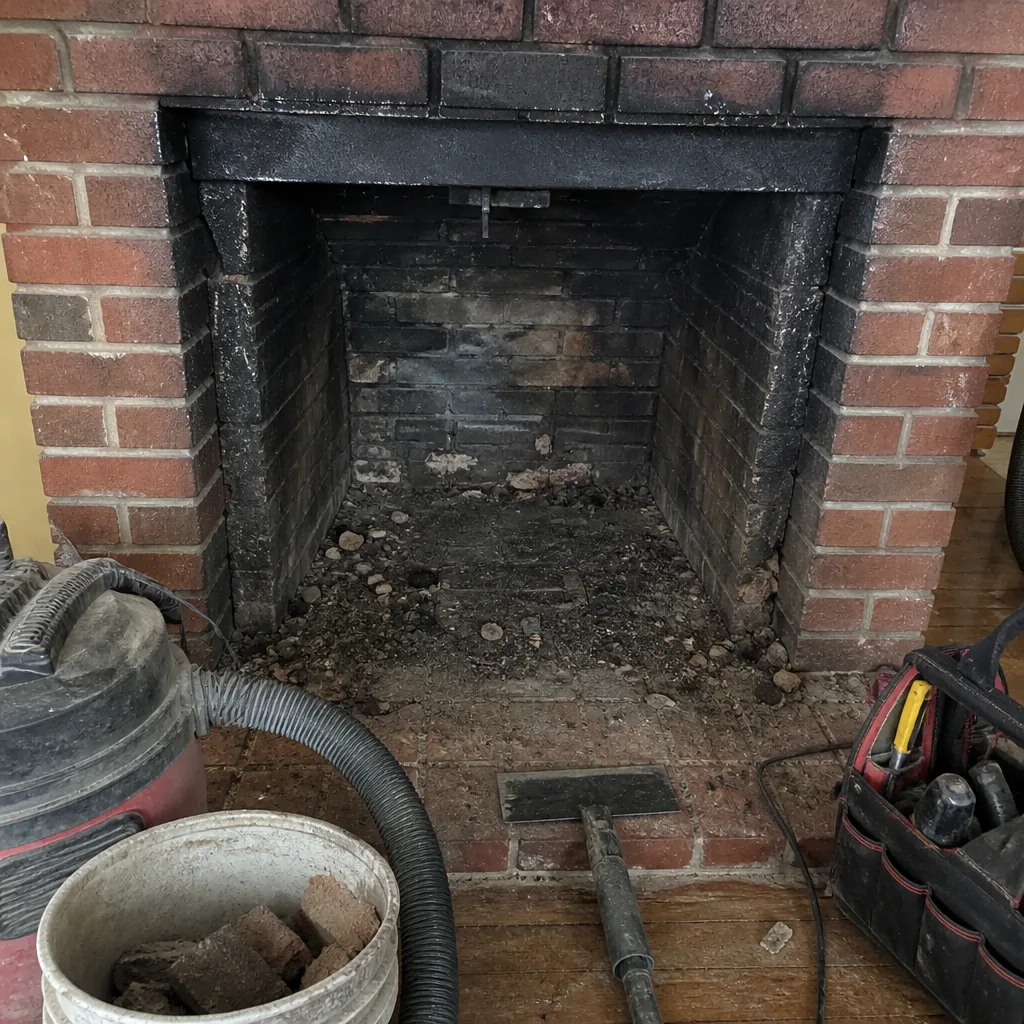 Before
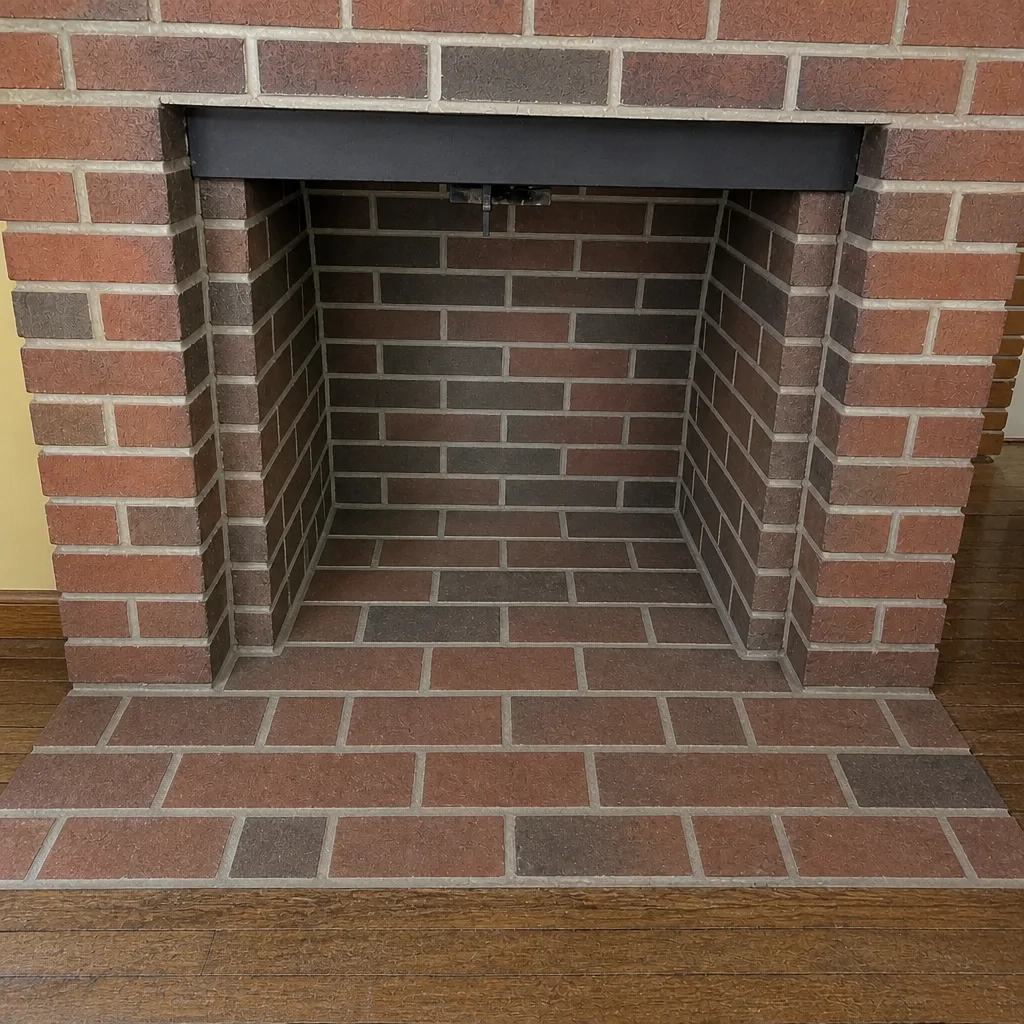 After
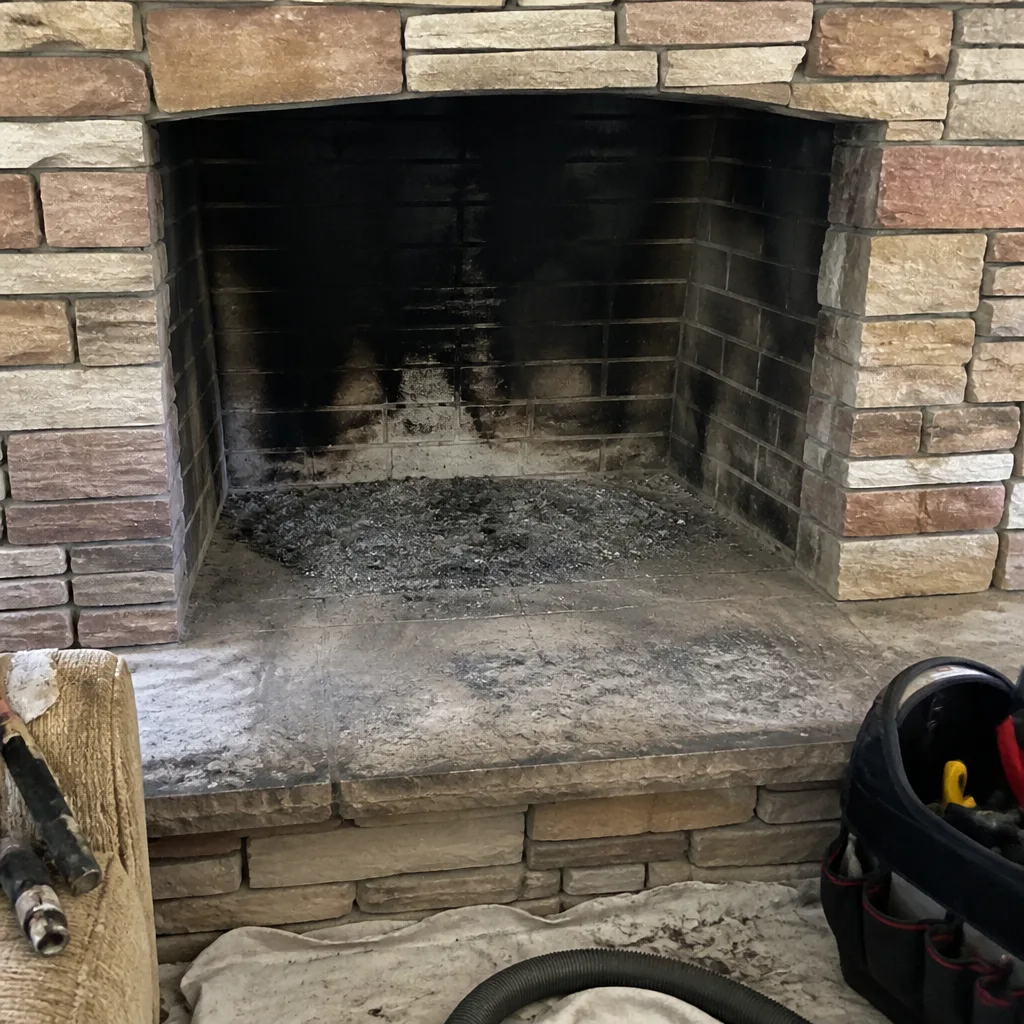 Before
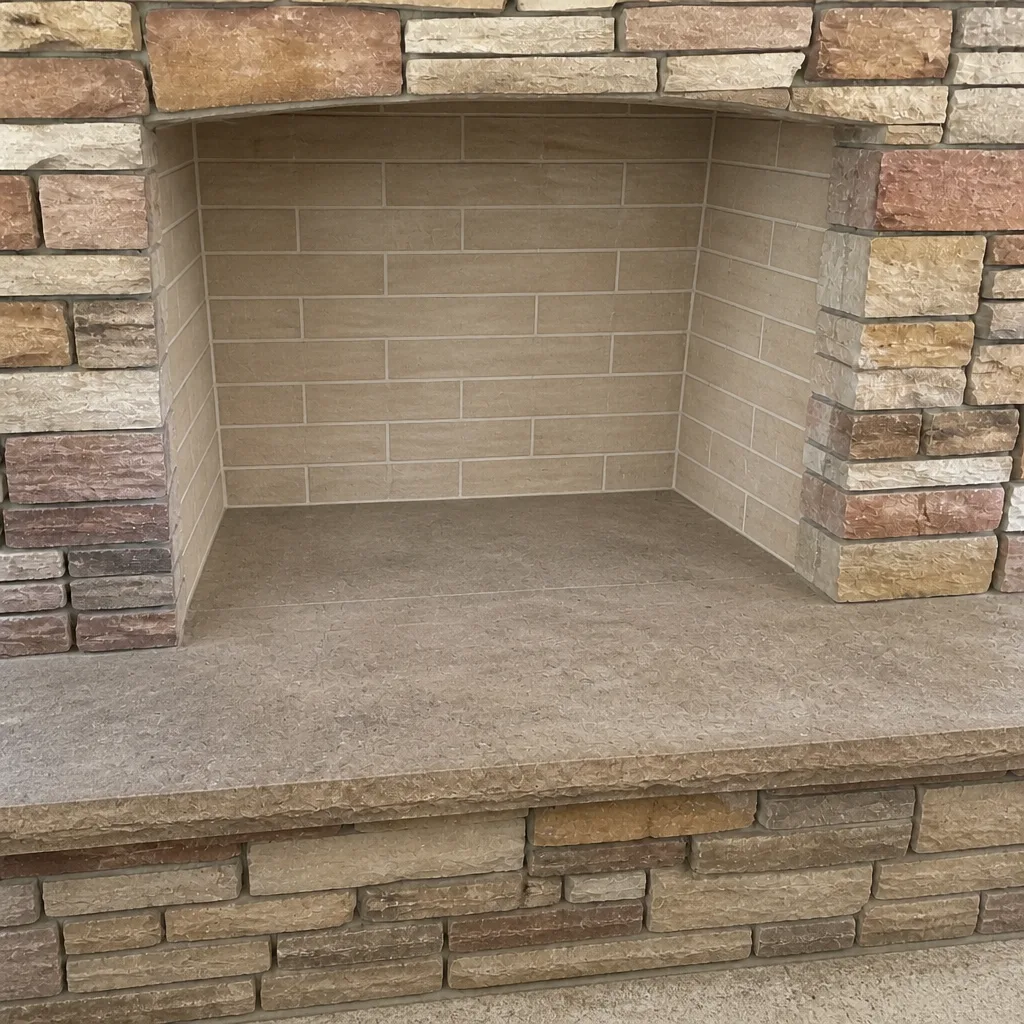 After
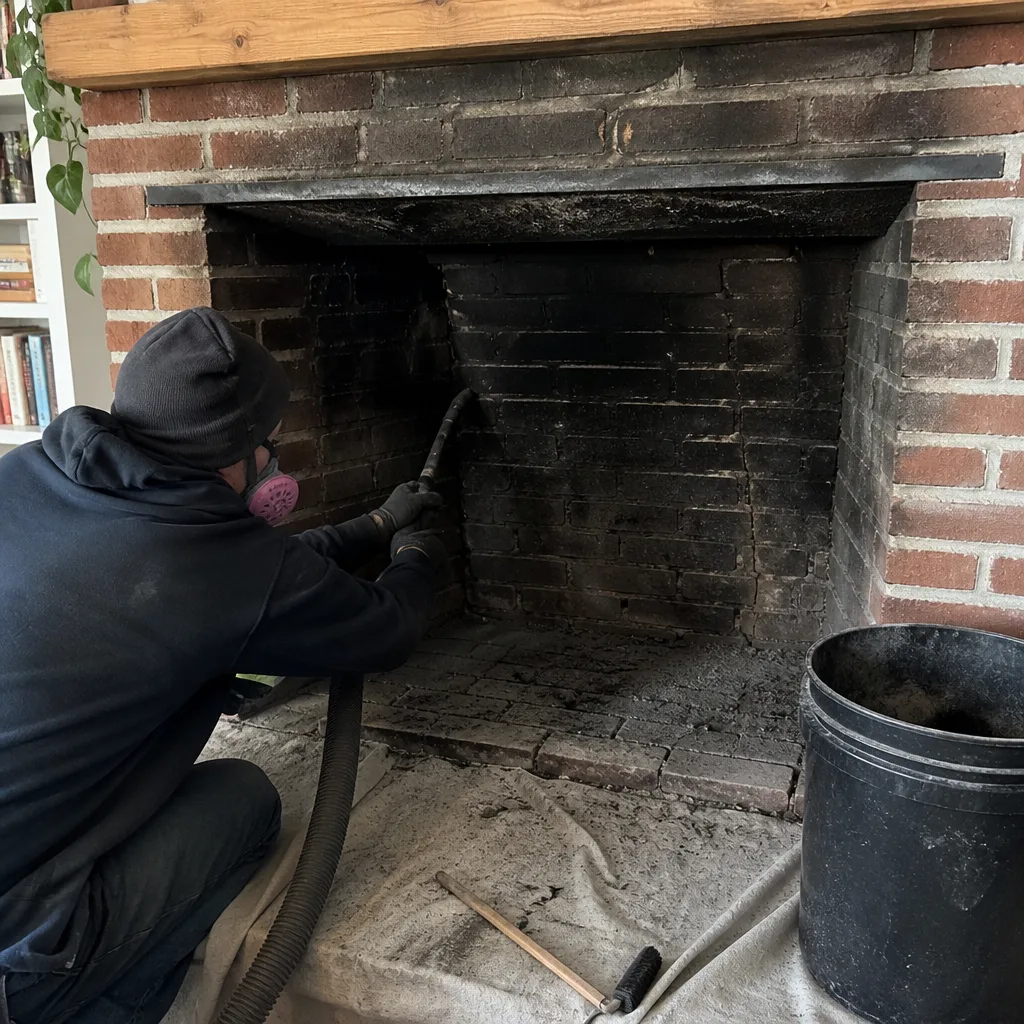 Before
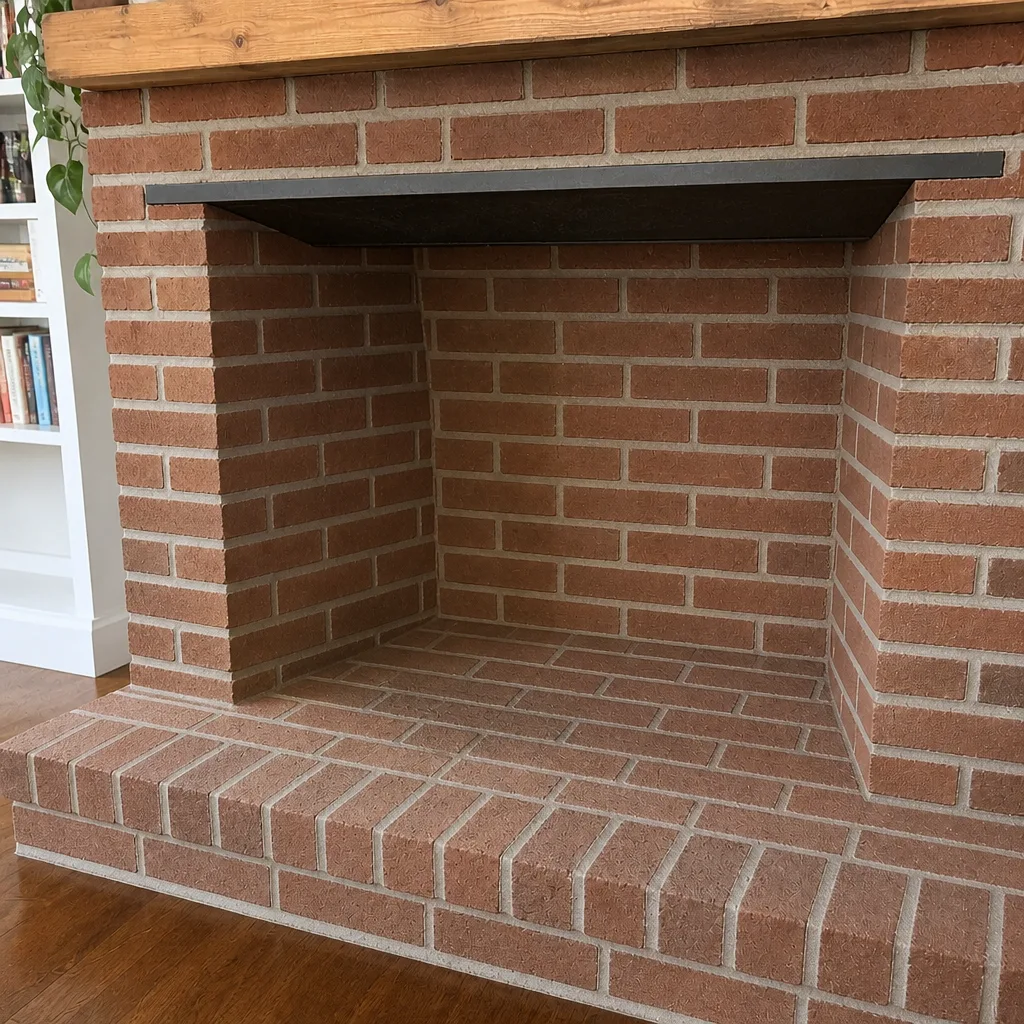 After
Common Mistakes to Avoid
- Assuming cleaning needs a permit. It doesn’t. Confusing maintenance with construction leads some homeowners to skip the legitimate permit on the work that actually needs one, because they’ve heard “chimneys don’t need permits.” Wrong half of the sentence.
- Skipping the permit on liner work. A liner replacement done without a permit has no inspection record, and that’s the document an insurer will ask for. The savings on a permit is trivial next to a complicated claim.
- Reusing a flue without resizing it. Installing a gas insert or wood stove into a flue sized for an open fireplace is a code and performance problem, even when it fits. The flue has to be sized to the appliance.
- Accepting a verbal inspection. A report you can’t produce isn’t documentation. A Level 2 with a camera inspection and photo report is what satisfies NFPA 211 and what an adjuster will request.
- Letting a cracked crown go. In Lakewood’s freeze-thaw climate, a cracked crown is a water entry point. It’s a small repair now and a structural repair later.
- Hiring on price alone for regulated work. When a liner quote is dramatically lower than others, ask what material class, what listing and whether a permit is included. That’s usually where the difference lives.
- Forgetting to verify the inspection passed. A pulled permit that was never inspected is half the process. Confirm the final inspection before you consider the job closed.
When to Call a Professional
Some conditions warrant a call rather than a wait. If your flue hasn’t been inspected in a year or more, if you’ve changed appliances or fuel type, if you’ve had a chimney fire however small, or if you smell smoke in the house, notice staining on the chimney exterior, or see crumbling mortar at the crown, schedule an inspection. The same goes for any change to what vents into the flue, and any liner or firebox work you’re considering, since that’s the work where permitting gets decided. A genuine safety concern – a smell of gas, a carbon monoxide alarm that isn’t explained, visible damage to a liner – means stop using the fireplace and get it evaluated. Chimney Sweep Lakewood Pros offers free estimates in Lakewood, and we’ll tell you plainly when something can wait and when it can’t. Call (877) 792-6835. We answer 24/7. Fast dispatch from 7am to 7pm, Sunday through Friday.
Frequently Asked Questions
No. Routine chimney cleaning and annual inspection are maintenance and don’t require a permit in Lakewood. Permits apply to work that changes the chimney or firebox – liner replacement, appliance installation, firebox modification and structural repair. Call (877) 792-6835 for an exact quote on an inspection – estimates are free.
Pricing is set per job by a written estimate, so the right way to get a number is to have your flue evaluated. The estimate is free, and it covers inspection, sweeping and any findings from the camera inspection, so you know the full scope before you commit. Call (877) 792-6835 – estimates are free.
It depends on what the inspection finds. Many damaged flues can be restored with HeatShield resurfacing rather than a full tear-out, while cracked or collapsed liners still need replacement. We inspect first, then recommend based on camera evidence you can see yourself. Call (877) 792-6835 – estimates are free.
Once a year is the standard for a regularly used wood-burning fireplace, and more often if you burn heavily or notice creosote buildup. A Level 1 inspection each year keeps the record current, and a Level 2 after any change or incident. Call (877) 792-6835 – estimates are free.
You lose the inspection record, which is exactly what an insurer will ask for after a chimney fire or carbon monoxide claim. It doesn’t automatically void coverage, but it creates a legitimate question about whether the work was done to code. Call (877) 792-6835 – estimates are free.
Typically a Level 2 inspection – one that reaches the accessible attic and crawlspace and includes camera inspection of the flue, with a written report. That’s the documentation that establishes condition. Call (877) 792-6835 – estimates are free.
The Bottom Line
The permit question in Lakewood comes down to one distinction: cleaning and evaluating a chimney is maintenance, while changing it is construction. Sweeping and inspection don’t need a permit, and they should happen annually with a report you keep. Liner replacement, firebox modification, new appliance venting and structural work do require a Jefferson County permit and an inspection, because the adopted IRC and NFPA 211 apply to them and the inspection record is what your insurer will ask for. Verify the permit yourself, keep the report, and choose a company that will tell you when work can safely wait. If you’re unsure which side of the line your job is on, we’ll look first and tell you straight.
If your chimney needs inspection, sweeping, a liner evaluation, cap and crown work or fireplace repair, we’d like to help. Chimney Sweep Lakewood Pros covers the full lifecycle, from sweep to structural repair, with trade-grade materials and one point of accountability throughout. Call (877) 792-6835. We answer 24/7. Fast dispatch from 7am to 7pm, Sunday through Friday. The estimate is free, and we won’t recommend anything without evidence you can see.
Written by the team at Chimney Sweep Lakewood Pros.