
Last updated November 23, 2026
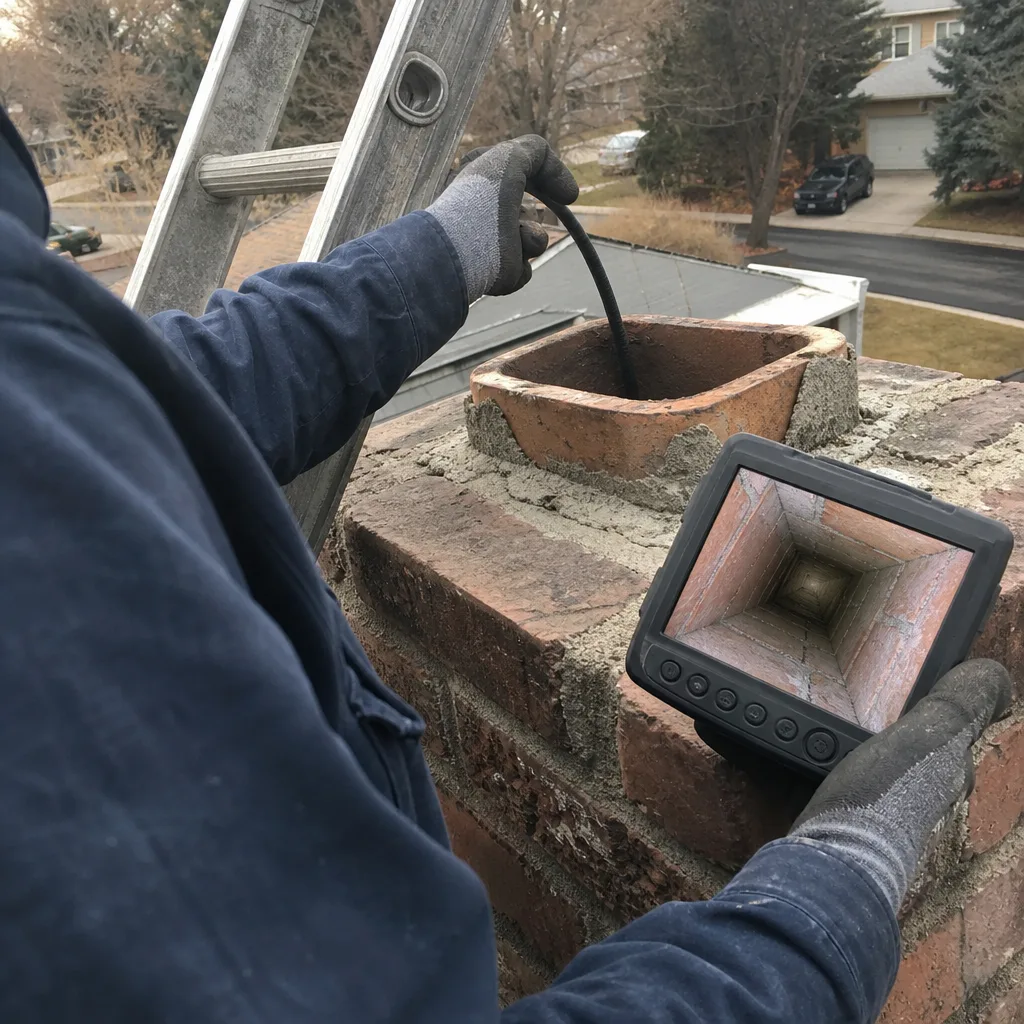
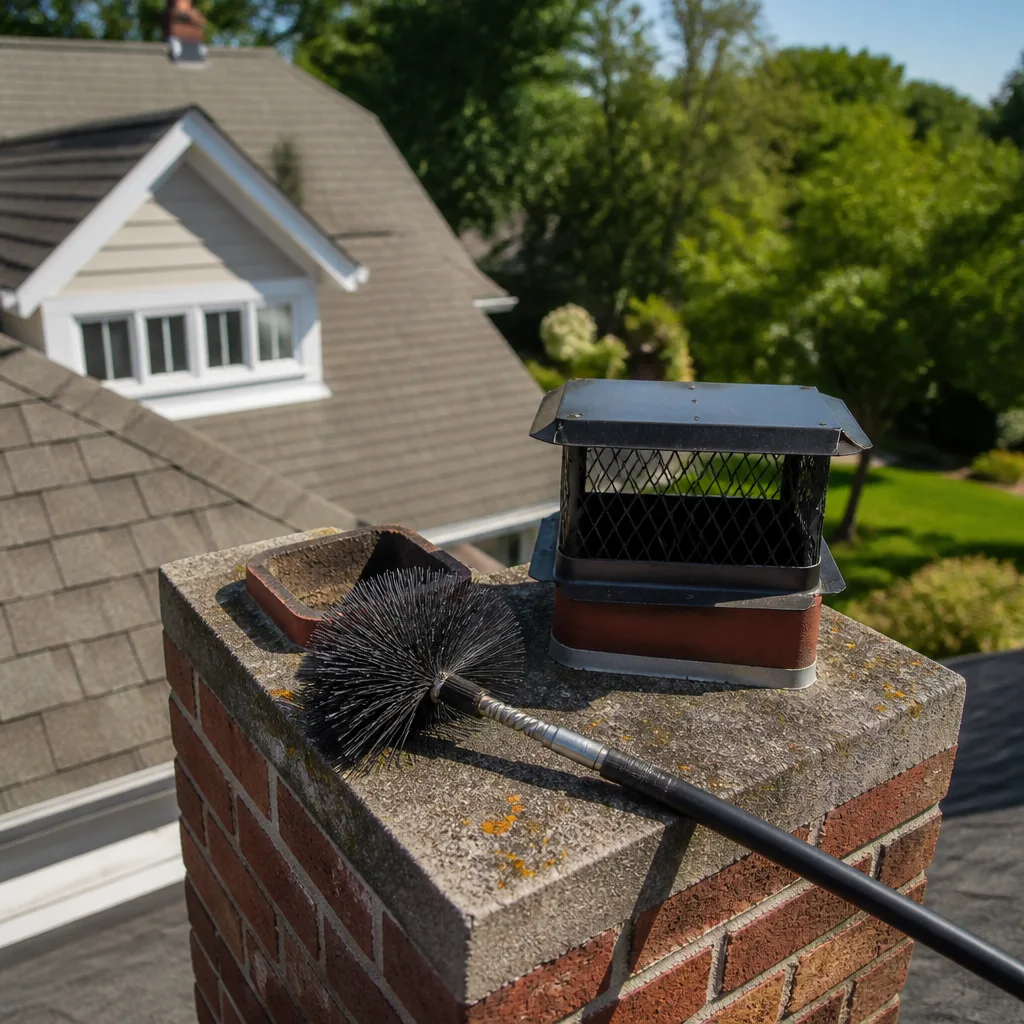 Sweep & inspection
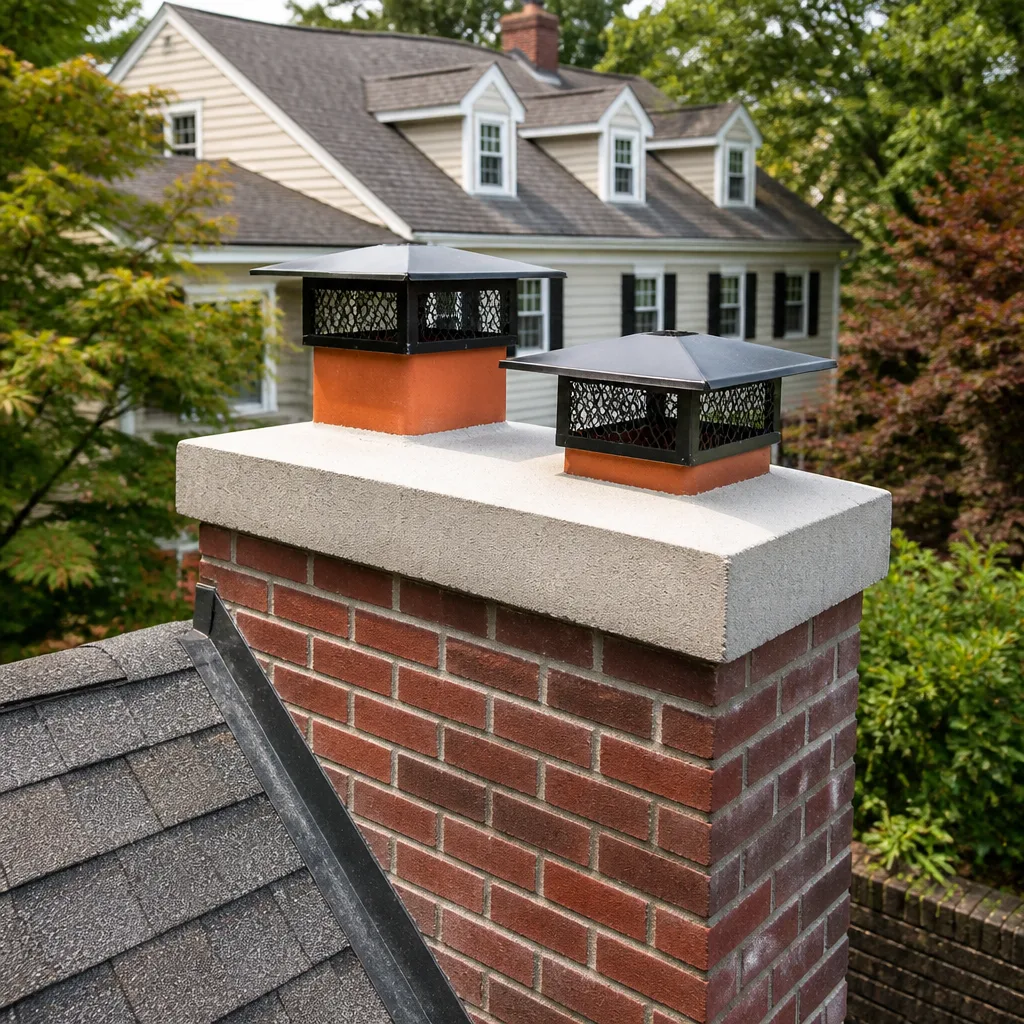 Caps & crowns
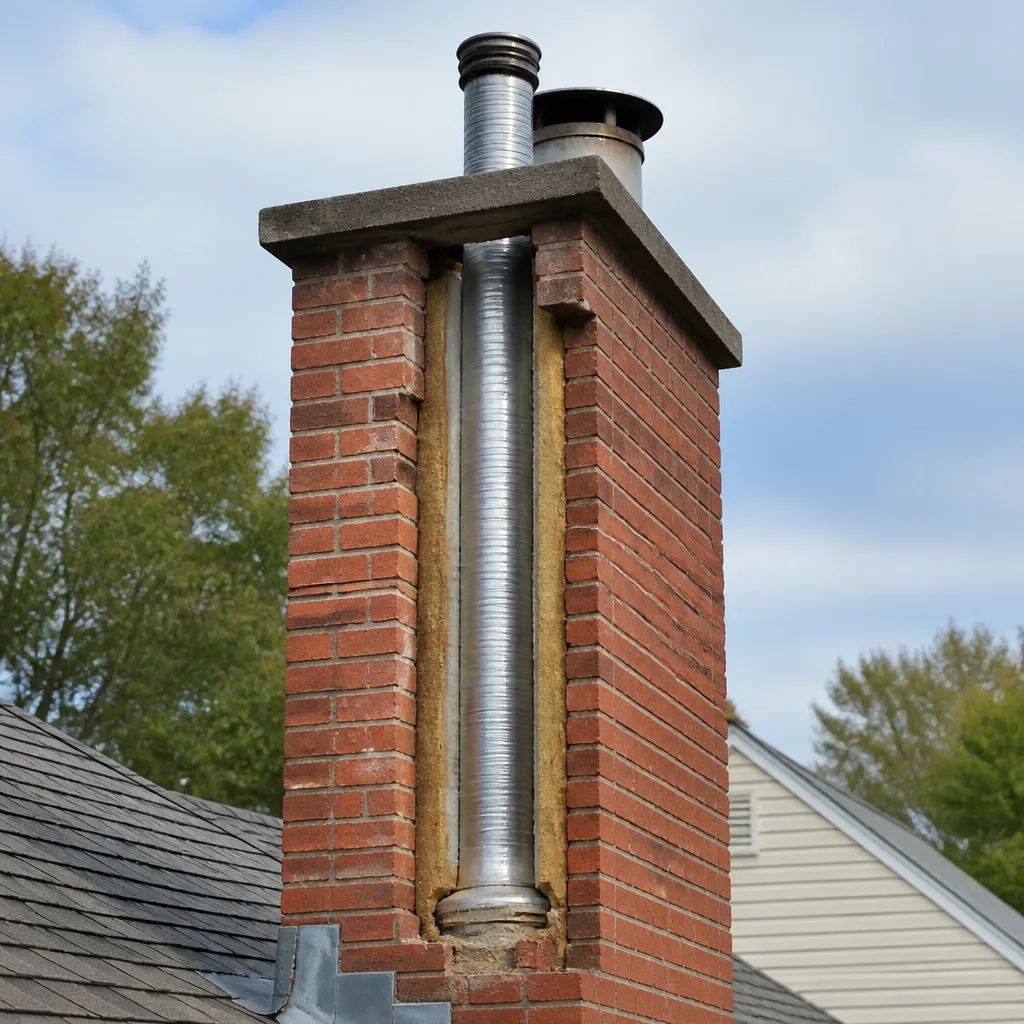 Flue relining
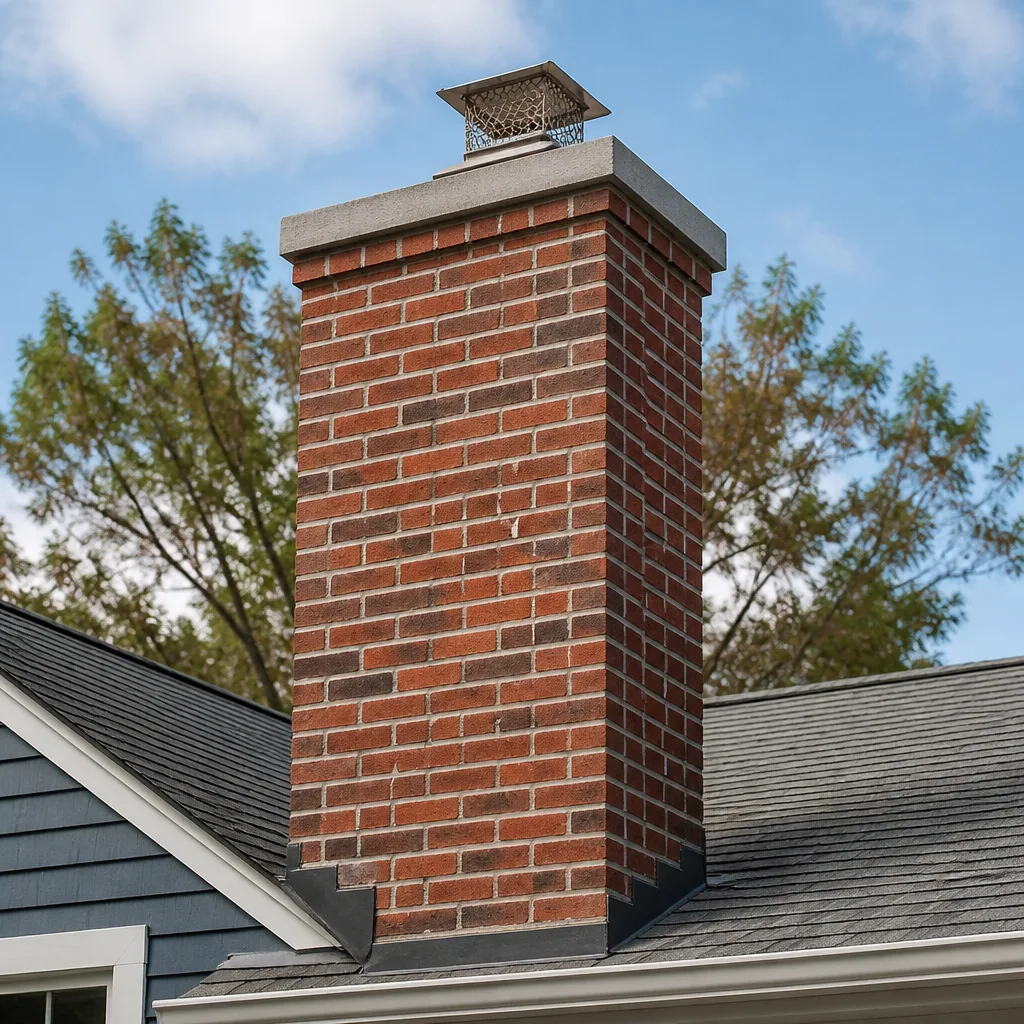 Masonry repair
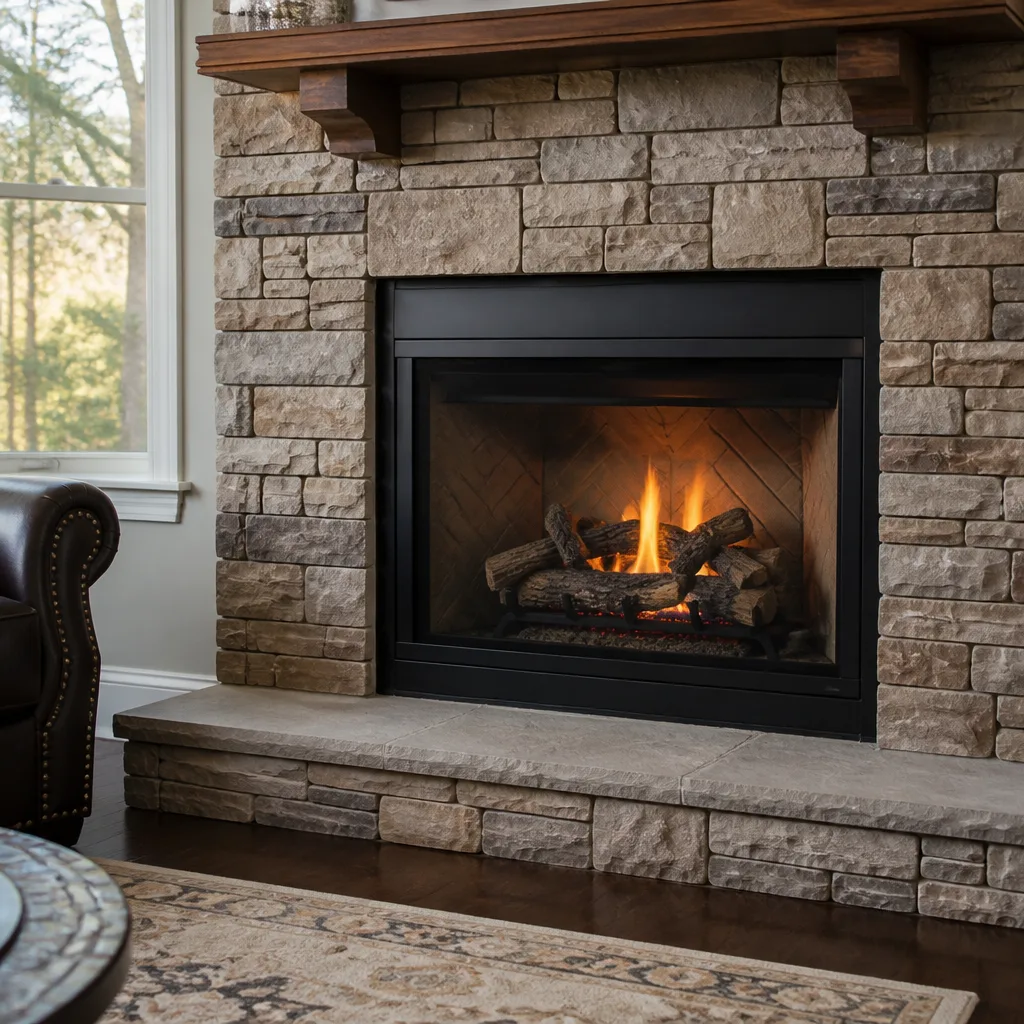 Gas fireplace service
Level 1 sweep and inspection to the NFPA 211 annual standard - flue, crown, cap, and flashing checked and photographed
Chimney sweep logs do not sweep chimneys. They loosen some creosote - which then falls where a brush and vacuum still have to collect it.
Chimney Cleaning Cost Breakdown: The Lakewood Homeowner’s Reference for 2026
The $89 chimney sweep special almost never includes a camera inspection, which means you’re paying to have creosote removed without knowing whether the liner holding it together is cracked. That’s not a knock on cheap sweeps as much as a warning about what “same service on paper” actually means. Chimney cleaning quotes in Lakewood range widely for work that looks identical in a phone estimate, and the spread almost always comes down to what’s bundled in, what’s left out, and which materials get installed if a problem turns up. This reference walks through the line items behind every quote, the structural and material reasons Lakewood homes cost what they do, and how to read a written estimate so you’re comparing scope instead of a single number.
Quick Answer
A standard chimney sweep in Lakewood typically runs $175 to $300, and a Level 1 inspection is usually included in that price when the technician is already on the roof. A Level 2 video scan adds roughly $125 to $250 because it requires camera equipment and, in many homes, access through the firebox or a rooftop camera port. Creosote treatment for heavier buildup adds $150 to $400 depending on stage and flue length. Where costs really diverge is repair: a small crown patch lands around $250 to $500, while HeatShield resurfacing of a damaged liner runs $1,200 to $2,800 and full stainless liner replacement often falls between $2,500 and $6,000. The written estimate, per job, sets the final price.
Styles & brands we work with
- Sweep & inspection
- Caps & crowns
- Flue relining
- Masonry repair
- Gas fireplace service
Table of Contents
- Why Chimney Cleaning Quotes in Lakewood Range So Widely
- The Line-Item Cost Breakdown for 2026
- Why Multi-Flue, Gas Log, and Factory-Built Chimneys Cost More
- How Professional-Grade Materials Change the Project Cost
- The Cost of Deferred Maintenance
- How to Read a Chimney Quote in Lakewood
- What Actually Drives Chimney Work in Lakewood
- Common Mistakes to Avoid
Why Chimney Cleaning Quotes in Lakewood Range So Widely
The spread isn’t random. When one Lakewood company quotes a low number and another quotes double, the difference is almost always the depth of inspection and what the price protects you against. A sweep that pulls soot and leaves is one job. A sweep that pulls soot, runs a camera up the flue, checks the damper and smoke chamber, and writes you a report is a different job with a different price. Both can be labeled “chimney cleaning,” which is where most confusion starts.
There’s also the matter of the chimney itself. A single-flue masonry chimney on a 1950s ranch west of Wadsworth costs less to clean than a two-flue chimney on a 1970s build with an offset tile liner and a factory-built insert. Access, roof pitch, and flue configuration all affect labor. The technician has to climb, stage a ladder, sometimes pull a firebox panel, and work around components that get fragile with age. That labor is real and shows up in the quote.
Here’s the part most homeowners don’t hear in the initial call. Many low-quote operations are built around a model where the sweep is a lead-in, and the actual revenue comes from the repairs “discovered” during the visit, often without camera evidence the homeowner can verify. We don’t work that way. Our starting point is an inspection, a written report, and a clear recommendation of what can wait and what shouldn’t. If a liner or crown genuinely needs work, we show the photos before we quote the fix.
What a fair Lakewood quote looks like in 2026 usually includes a sweep, a Level 1 visual inspection, a written condition report, and a photo set good enough that you could forward it to a friend and have them understand what’s going on. Anything less, and the low number is doing what it was designed to do: get somebody in the door.
If you’re starting the process, a chimney sweep from a specialist is where most homeowners land, and it’s the right first step before any talk of repair.
The Line-Item Cost Breakdown for 2026
The table below reflects typical Lakewood market ranges for 2026, broken out as separate line items so you can compare quotes apples-to-apples. These are estimates; the written estimate from the company you hire sets the final price. Prices vary by flue count, roof access, chimney height, and how much of the work can be handled from inside the house versus the roof.
- Standard sweep (single flue, wood-burning): $175 – $300
- Standard sweep (each additional flue): $75 – $150
- Level 1 visual inspection (often bundled with sweep): $0 – $75 quoted separately
- Level 2 video scan (camera inspection): $125 – $250
- Creosote treatment (stage 2, chemical or rotary): $150 – $400
- Stage 3 creosote removal (glazed, heavy): $400 – $1,200
- Factory-built fireplace cleaning (with insert): $225 – $375
- Crown patch or masonry repair: $250 – $900
- Cap installation (trade-grade stainless or equivalent): $300 – $700
- HeatShield liner resurfacing (qualifying flues): $1,200 – $2,800
- Full stainless liner replacement: $2,500 – $6,000
- Crown reconstruction (full): $1,200 – $3,000
Three things push any of these toward the high end of the range. First, flue height: a 30-foot exterior chimney takes materially longer than a 12-foot interior one, and the numbers reflect that. Second, roof pitch and access: a steep Denver-region roof on a two-story Lakewood home needs more staging than a single-story with a walkable pitch. Third, condition: a chimney that hasn’t been swept in many years often carries buildup that requires extra passes or chemical treatment before the flue is clear.
What we don’t include, and what you shouldn’t accept from anyone: a “service call” fee layered on top of the sweep, prices quoted without seeing the chimney, or a Level 2 scan offered only as an emergency add-on after the initial visit. Those are the patterns that turn a $200 job into a $2,000 one.
Why Multi-Flue, Gas Log, and Factory-Built Chimneys Cost More
Not every chimney is the same job, and the labor differences are bigger than most homeowners expect. Understanding why helps you read a quote without assuming you’re being overcharged.
Multi-Flue Chimneys
A two-flue chimney means twice the access staging, twice the sweep passes, and twice the inspection time. Multiple flues also raise the odds that one serves a fireplace and another serves a furnace or water heater vent, which changes the safety picture. A furnace flue carries its own venting rules, and a technician who’s sweeping a fireplace flue should be looking at what’s happening in the adjacent one while the staging is up. That extra attention shows up in the quote and is worth paying for.
Gas Log Inserts
Gas log sets look low-maintenance and are often treated that way by homeowners. They still vent, still deposit material in the flue, and still need inspection. What changes the cost is access: the burner assembly and log set usually have to be pulled to reach the firebox floor and damper area, and the venting configuration has to be checked for proper draft. Cleaning around an installed gas log set without pulling it isn’t really cleaning, and it leaves you paying for a service that didn’t do what it said on the receipt.
Factory-Built Fireplaces
Factory-built fireplaces have a steel firebox and a listed chimney system with specific clearances to combustibles, and those listed clearances are non-negotiable. A technician working on a factory-built unit needs to know the manufacturer’s specs and needs to check that the chimney hasn’t been altered in ways that compromise the installation. This takes more time than a standard masonry sweep because there’s no room for guesswork. It’s also why a factory-built cleaning is priced closer to the top of the sweep range – the technician is doing both cleaning and compliance work in one visit.
If the visit surfaces issues with the fireplace box or damper, fireplace repair is the next step and a familiar follow-up job for a chimney specialist familiar with these systems.
How Professional-Grade Materials Change the Project Cost
Materials drive a big share of any repair line item, and the gap between a hardware-store substitute and a trade-grade component is real. It’s not just price; it’s how the material behaves in the application and how long before someone has to come back.
A few examples from the work we handle:
- HeatShield liner resurfacing runs $1,200 to $2,800 in Lakewood for qualifying flues. It restores the integrity of a clay tile liner without tearing out the existing structure, which is why it’s a fraction of the cost of full replacement. The system is specified by certified chimney technicians because the material is engineered to bond to the tile and hold up under heat cycling, not just fill a gap.
- DuraFlex flexible liner systems handle chimneys with offsets, bends, or non-standard flue paths that a rigid liner simply can’t be installed into. A rigid liner in an offset flue means either a compromised install or a masonry tear-out, both of which cost far more than a DuraFlex system priced correctly from the start.
- Gelco and Famco caps are trade-standard for weather and animal exclusion. A commodity cap at half the price often fails at the anchor points or rusts through in a few seasons, at which point the replacement cost plus the water intrusion damage it allowed turns out to be the expensive path.
- Olympia Chimney components round out the professional-trade lineup we install, and each piece is chosen for the application rather than selected because it was on a truck.
The delta between a trade-grade material and a commodity alternative typically adds 15 to 40 percent to a given repair line item. In return, you get a component that’s rated for the application, correctly installed, and expected to last decades rather than seasons. Where the delta is not worth it: cosmetic items you can see and touch every day and that don’t affect fire safety. Where it always is: liner systems, caps, and crown materials, because those are the pieces that protect the rest of the chimney from water and heat.
Cap and crown work is a good example of where material choice shows up in cost and where it earns its keep. A proper chimney cap & crown install handles the two most common sources of water intrusion, and it protects every repair beneath it.
The Cost of Deferred Maintenance
An annual sweep is the least expensive chimney service you’ll ever have done. The numbers tell a clear story, and this is where the math gets uncomfortable for homeowners who skip a few years.
- Annual sweep and Level 1 inspection: roughly $175 to $300.
- Crown patch after water gets in: $250 to $900.
- HeatShield liner resurfacing after moisture-damaged tiles appear: $1,200 to $2,800.
- Full stainless liner replacement after resurfacing is no longer an option: $2,500 to $6,000.
- Crown reconstruction after structural damage: $1,200 to $3,000.
The pattern is simple. A small problem caught during a routine sweep is a small repair. The same problem caught three winters later is often a major one, because the mechanisms that drive chimney damage are time-based, not event-based. Creosote accumulates. Moisture wicks into masonry and freezes and thaws through Front Range winters. Tiles crack from the thermal cycling. Each cycle makes the next repair line item longer.
We’ve seen the sequence play out enough times to know it’s not an occasional outcome. Water intrusion through a failing crown or an uncapped flue is the single most common reason chimneys in Lakewood end up needing structural work. The cap and crown are also the two most cost-effective items on the entire list relative to what they prevent. If the sweep finds a marginal crown, fixing it now at the patch level avoids going to the reconstruction line later.
What we tell homeowners who are deciding between “sweep this year” and “sweep next year”: book the sweep. The camera inspection that comes with it is the cheapest form of diagnostic information you’ll get on the whole chimney system, and the difference between a recommendation that says “wait” and one that says “fix this now” is almost always visible on camera.
How to Read a Chimney Quote in Lakewood
A written quote tells you what the contractor thinks is worth documenting. If the quote is one line and one number, that’s a signal. Here’s what a proper quote from a Lakewood chimney specialist should contain, line by line.
Line items that should always appear
- Service name in plain language – “chimney sweep, single flue” rather than “chimney service.”
- Inspection level specified – Level 1, Level 2, or both, with the price for each.
- Number of flues and access details – these affect the price and should be on paper.
- Photos from the inspection – a written report plus a photo set, not just a verbal summary.
- Material brand and grade for any repair line – HeatShield, DuraFlex, Gelco, Olympia Chimney, or Famco, specified by name.
- Separately priced repair recommendations – you should be able to approve the sweep and hold the repair decision for a day if you want to.
- Estimated timeline for each line item – so you know what can be done in one visit and what’s a follow-up.
- Total, with a clear statement that the written estimate sets the final price.
Vague language that signals a contractor cutting corners
- “Liner repair as needed” – with no price, scope, or material specified.
- “Additional work may be required” – a phrase that leaves the final number open-ended.
- “Camera inspection optional” – in 2026, this is essentially telling you the contractor doesn’t want you looking.
- “Crown repair” with no material brand – crown work in commodity cement without proper bonding is a short-lived fix.
- No mention of cap or crown condition anywhere in the report – these are the primary water-intrusion points and should always be addressed.
A quote that follows the first list protects both sides. A quote that leans on the second list is a warning. We inspect first, then recommend, and every repair line comes with the photos that support it. If the answer is “nothing needs to be done this year,” that’s what the report says.
What Actually Drives Chimney Work in Lakewood
Lakewood’s housing stock spans a wide range – postwar ranches, 1960s and 1970s splits, and newer builds – and each generation of construction brings its own chimney characteristics. Homes built in the 1950s and 1960s often have masonry chimneys with clay tile liners that have now gone through plenty of freeze-thaw cycles. Those liners were built well but weren’t designed to last forever, and a camera inspection will show where they’re holding up and where they aren’t. Homes from the 1970s often have a factory-built fireplace or an insert installed later, and the venting configuration on those needs a technician who knows the listed specs.
The Front Range climate matters. Lakewood sits at elevation with cold, dry winters and warm summers, and the temperature swings drive expansion and contraction on masonry every year. A cape or crown that has a hairline crack in spring will typically open up through a winter of freeze-thaw. Creosote also behaves differently in a dry climate – it can flake and spall in ways that look manageable on the surface while leaving glazed deposits below – which is one reason a camera inspection matters more here than the visual sweep.
Burning season concentrates the work. Most homeowners in Lakewood schedule their sweep in late summer or early fall before the first fire, which is the right timing. Sweeping after a season of heavy use is also fine, and it’s often the only option when someone has just moved into a home and doesn’t know its history. What we don’t recommend is skipping a year on the theory that last season’s burn was light. Chimney damage doesn’t chart linearly with wood burned.
Two more local factors show up on quotes. Many Lakewood homes have chimneys on the exterior wall of the house, which means they run colder than interior chimneys and condense more creosote as a result. And a lot of homes have a cap that was installed by a previous owner or roofing contractor without being matched to the flue size. A cap that’s undersized for the flue restricts draft and can contribute to smoke problems; correcting it is a modest line item that improves the whole system.
For homeowners starting fresh with a new-to-them house, the sequence is straightforward: chimney sweep first, camera inspection second, then a written report. That’s how Chimney Sweep Lakewood Pros structures the visit, and it’s the sequence that keeps you from paying for repair work before anything has been verified.
Common Mistakes to Avoid
- Booking a sweep without a camera inspection. The sweep clears the flue, but it doesn’t tell you the condition of the liner above the visible section. Without the scan, you’re paying for cleaning with no diagnostic information attached.
- Accepting a repair quote on the spot without seeing the photos. Any recommendation worth making is worth showing. Ask for the camera images and the written report before you approve repair work – if a technician can’t or won’t provide them, that’s the answer.
- Assuming a low-price sweep includes the same scope. A $89 special and a $250 sweep are rarely the same job. Compare what’s listed in the quote rather than the bottom number.
- Skipping the sweep because the fireplace “worked fine last year.” Chimneys fail from accumulation and moisture, not from use. A chimney that drafts well can still have a cracked tile or a compromised crown behind it.
- Installing a commodity cap on a flue that needed a trade-grade one. An undersized or low-grade cap restricts draft or rusts through in a few seasons. Gelco and Famco caps cost a little more and last far longer.
- Putting a patch on a crown that needs reconstruction. A patch buys time and is often the right call. But if the crown is failing structurally, patching it delays the reconstruction bill by a year without reducing it – and often grows the water damage underneath.
- Letting a good chimney go three or four seasons between sweeps in Lakewood. The Front Range climate accelerates what the burning season deposits. An annual sweep is the discipline that keeps repairs small.
See the difference
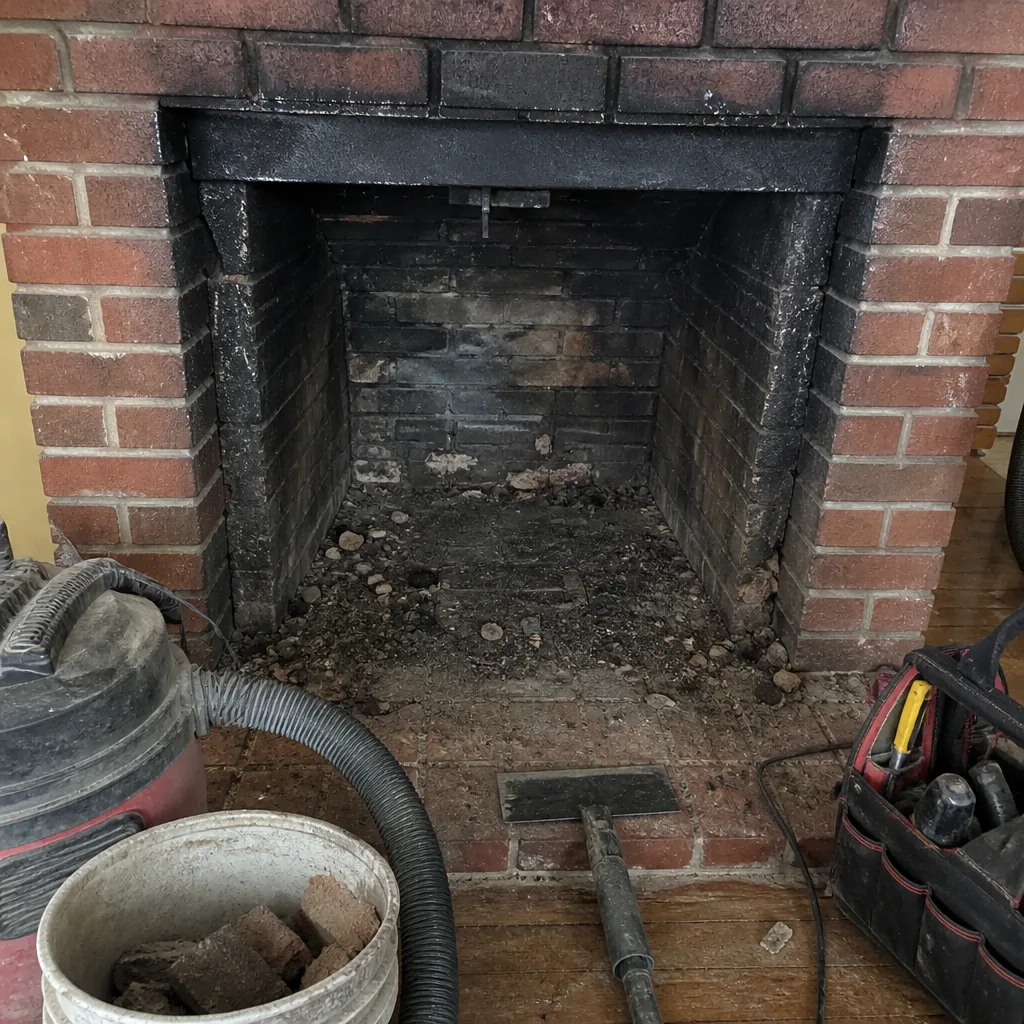 Before
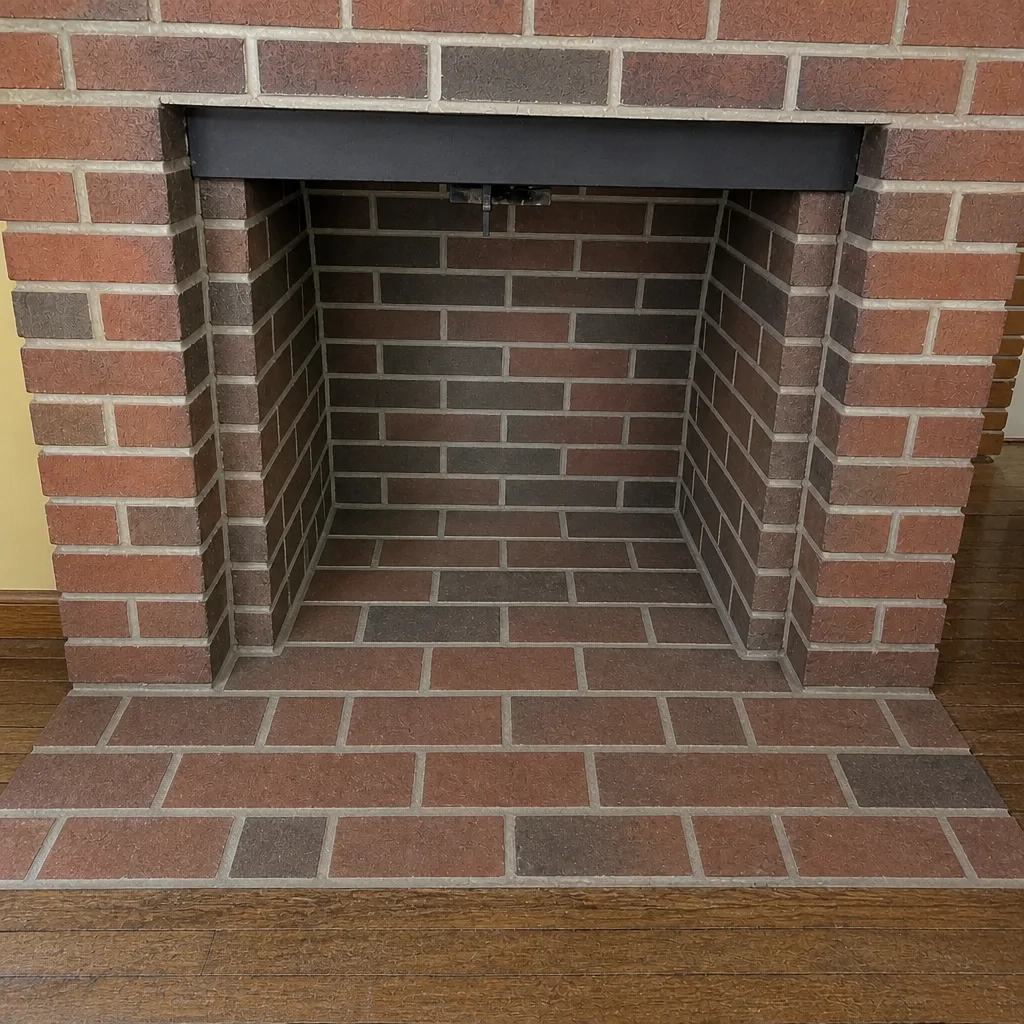 After
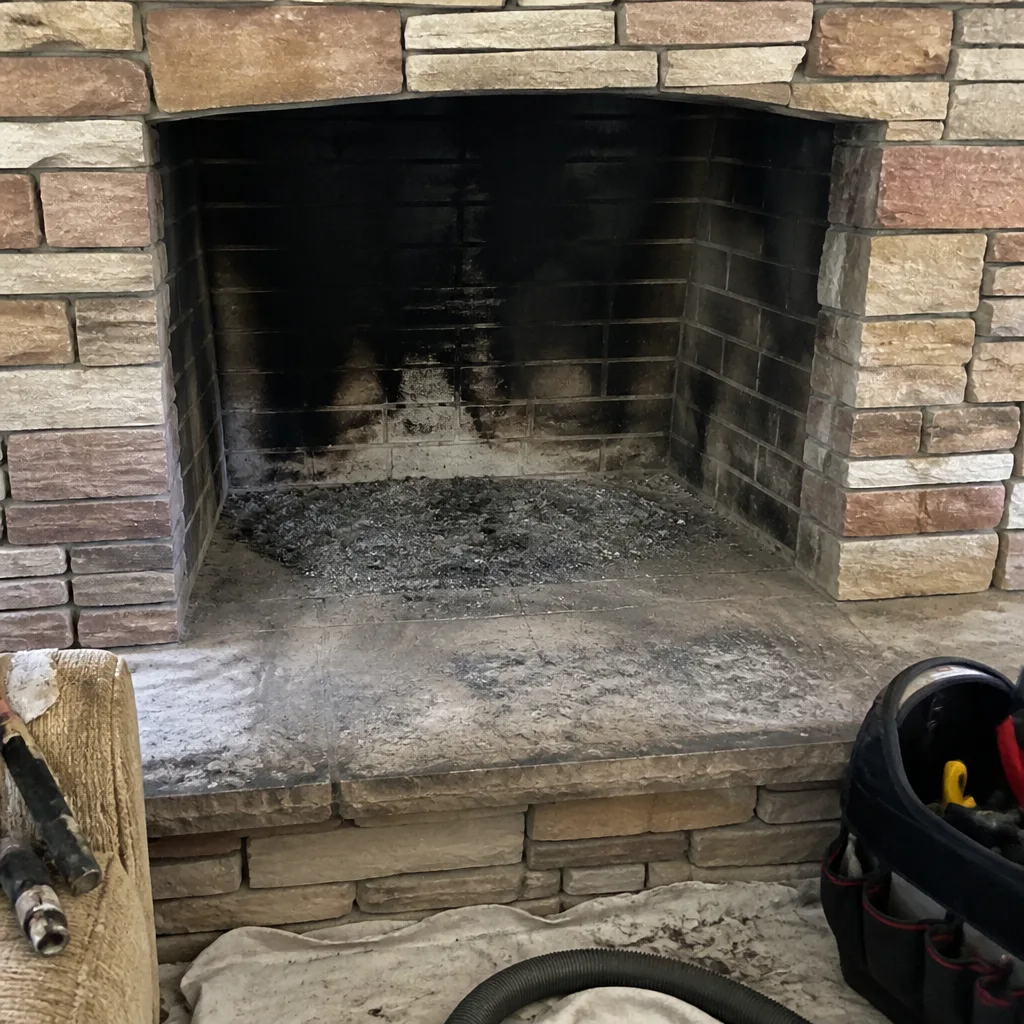 Before
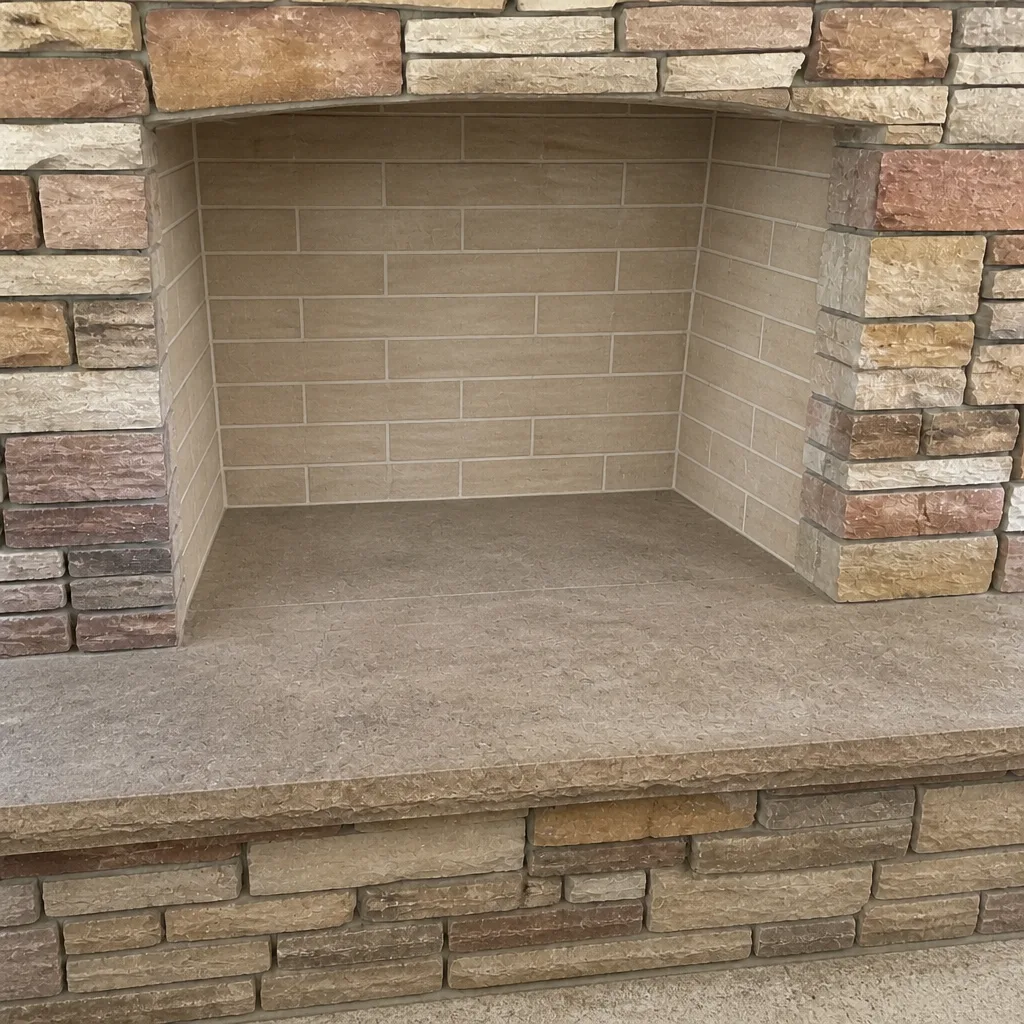 After
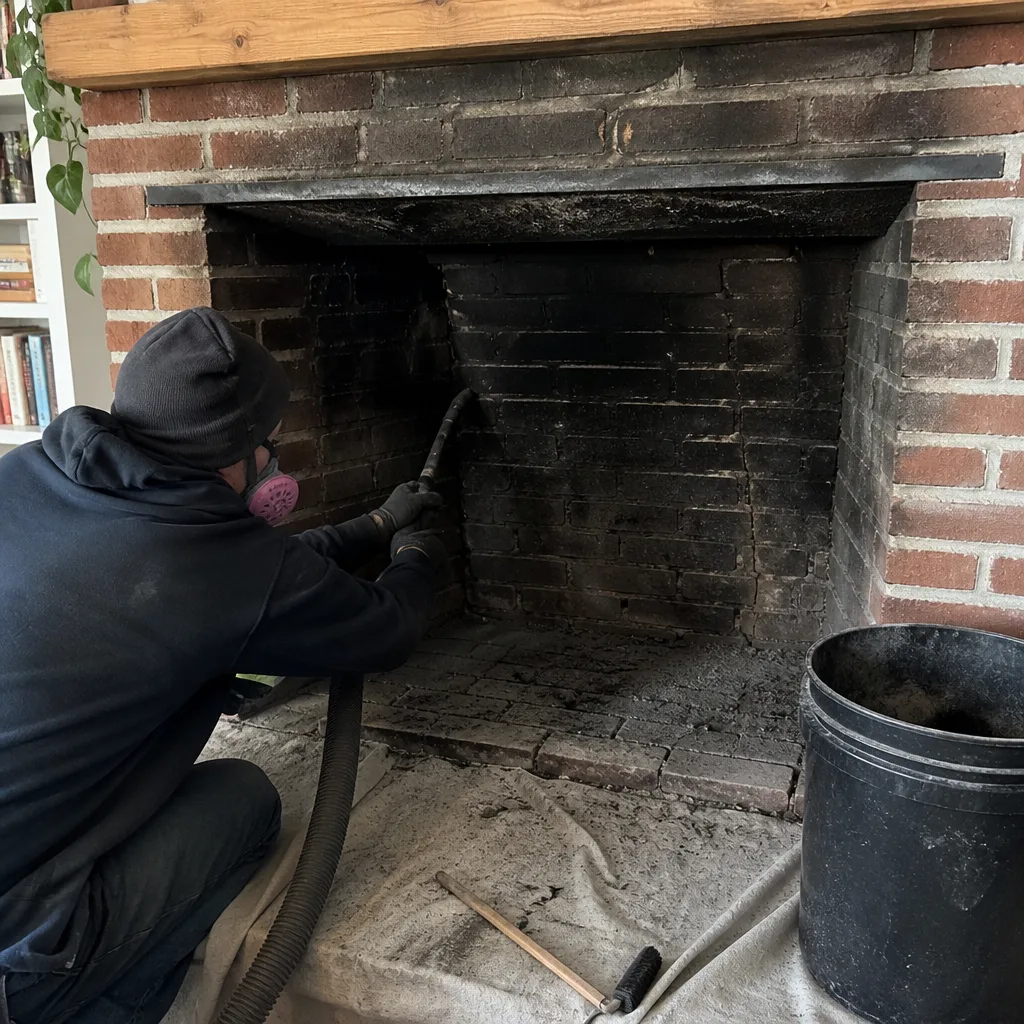 Before
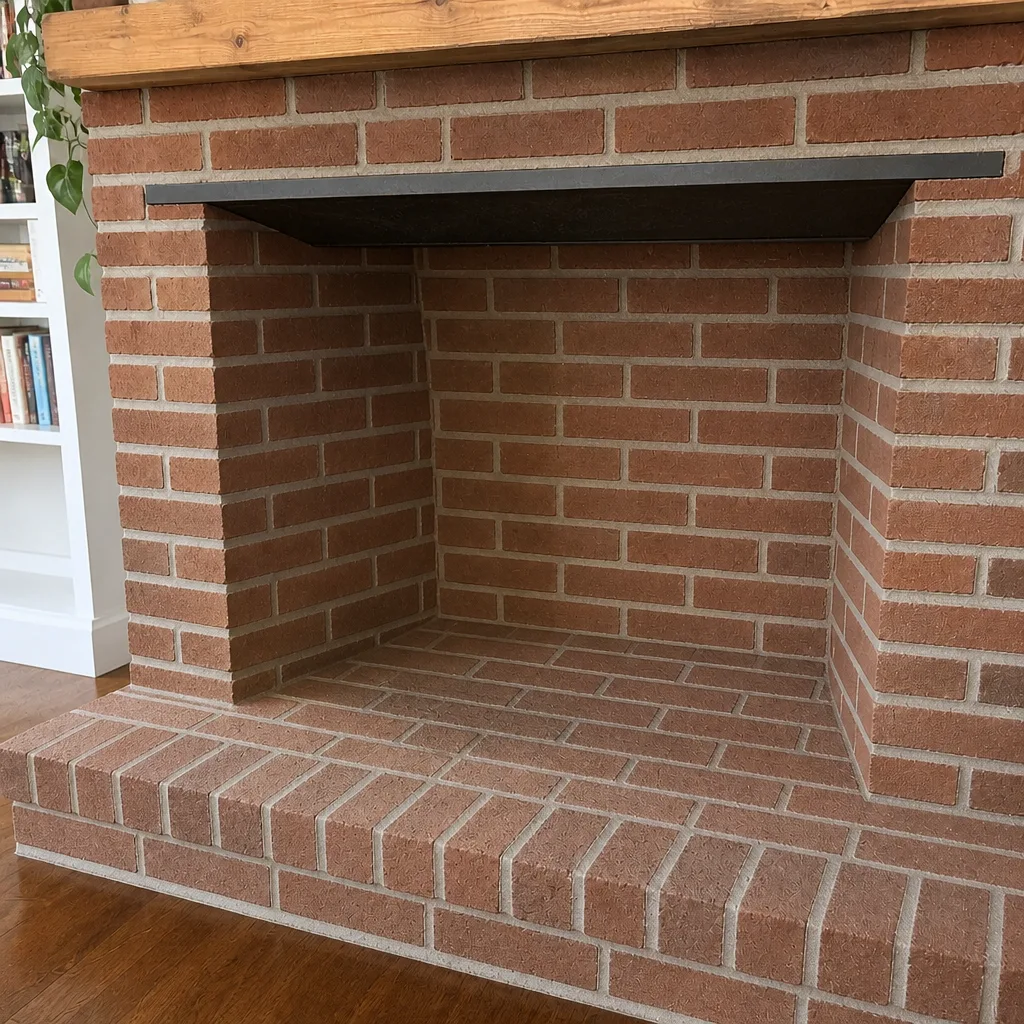 After
When to Call a Professional
Some chimney issues are safe to watch and some aren’t. Call a professional if you’ve burned more than a season’s worth of wood since your last sweep, if you see cracked or flaking material in the firebox, if there’s water staining on the chimney exterior or ceilings near the flue, if smoke backs into the room, or if the cap is missing or damaged. Any of those signals needs a trained technician with a camera on the flue, not a weekend DIY attempt at the crown. High-tension chimney components, structural masonry repair, and gas or electrical work are all areas where a trained professional is the right call and DIY is the wrong one.
Chimney Sweep Lakewood Pros offers free estimates in Lakewood – call (877) 792-6835. We answer 24/7. Fast dispatch from 7am to 7pm, Sunday through Friday. Our technicians have up to 11 years of experience, and each visit includes a written inspection report and photos that back up any recommendation.
Frequently Asked Questions
A standard single-flue chimney sweep in Lakewood typically costs $175 to $300, and a Level 1 inspection is usually included. A Level 2 video scan adds roughly $125 to $250, and creosote treatment for heavier buildup adds $150 to $400. The written estimate from the company you hire sets the final price. Call (877) 792-6835 for an exact quote – estimates are free.
The difference is almost always what’s bundled in. A $89 sweep typically clears soot without a camera scan, so you don’t learn the condition of your liner or crown. A $275 sweep in Lakewood generally includes a Level 1 inspection, a written report, and a photo set that supports any recommendations. Compare quotes on scope, not the bottom number. Call (877) 792-6835 if you want to see what’s included in our written estimate before booking.
You need it, and it isn’t upsold when it’s priced as its own line item. A camera scan is the only way to see the upper flue where tiles crack, creosote concentrates, and offsets can hide damage. Without it, a sweep leaves you with a clean flue and no diagnostic information. In Lakewood’s freeze-thaw climate, that information matters more than in mild-winter regions. Call (877) 792-6835 to book an inspection – estimates are free.
Once a year during active burning is the standard recommendation, and Lakewood’s cold, dry winters with heavy seasonal use are the reason. Even with light burning, an annual visit is what catches small issues before they grow. The Front Range freeze-thaw cycle wears crowns and tiles slowly, and a yearly sweep with a camera scan is the disciplined way to track that wear. Call (877) 792-6835 to schedule yours.
Creosote accumulates, moisture finds its way in through marginal caps and crowns, and masonry cycles through freeze-thaw every winter. In practice, the first year of skipping turns a $250 sweep into a crown patch, the third year turns that into liner resurfacing, and by year five the line item is often full liner replacement or crown reconstruction. Call (877) 792-6835 for an honest inspection – the answer might be “nothing needs doing yet,” and if so, that’s what the report will say.
Usually yes, when the flue qualifies. HeatShield resurfacing in Lakewood runs $1,200 to $2,800 and restores the integrity of a cracked clay tile liner without tearing out the existing structure, where full stainless replacement typically lands between $2,500 and $6,000. DuraFlex is specified when the flue has offsets or a non-standard path that a rigid liner can’t fit. Whether your chimney qualifies is a question for the camera inspection, not the quote. Call (877) 792-6835 to find out – estimates are free.
The Bottom Line
The spread in Lakewood chimney quotes is almost always a scope story, not a price mystery. A standard sweep runs $175 to $300 with the Level 1 inspection included, a Level 2 camera scan adds $125 to $250, and creosote treatment runs $150 to $400. Those numbers are the easy part. The decisions that actually change your total are whether to fix a marginal crown or liner now at a small price or wait and pay for the larger repair later. Trade-grade materials – HeatShield, DuraFlex, Gelco, Famco, Olympia Chimney – cost more up front and cost far less over the life of the chimney, and a written quote that names them is a quote worth taking seriously. Everything we recommend is backed by camera evidence you can see. Nothing is done without it.
Call (877) 792-6835 for a free estimate on a sweep, an inspection, or repair work. We answer 24/7. Fast dispatch from 7am to 7pm, Sunday through Friday. Whether it’s routine maintenance or a repair surfaced by the camera, we can help you read the report and decide what can wait and what shouldn’t.
Written by the team at Chimney Sweep Lakewood Pros.