
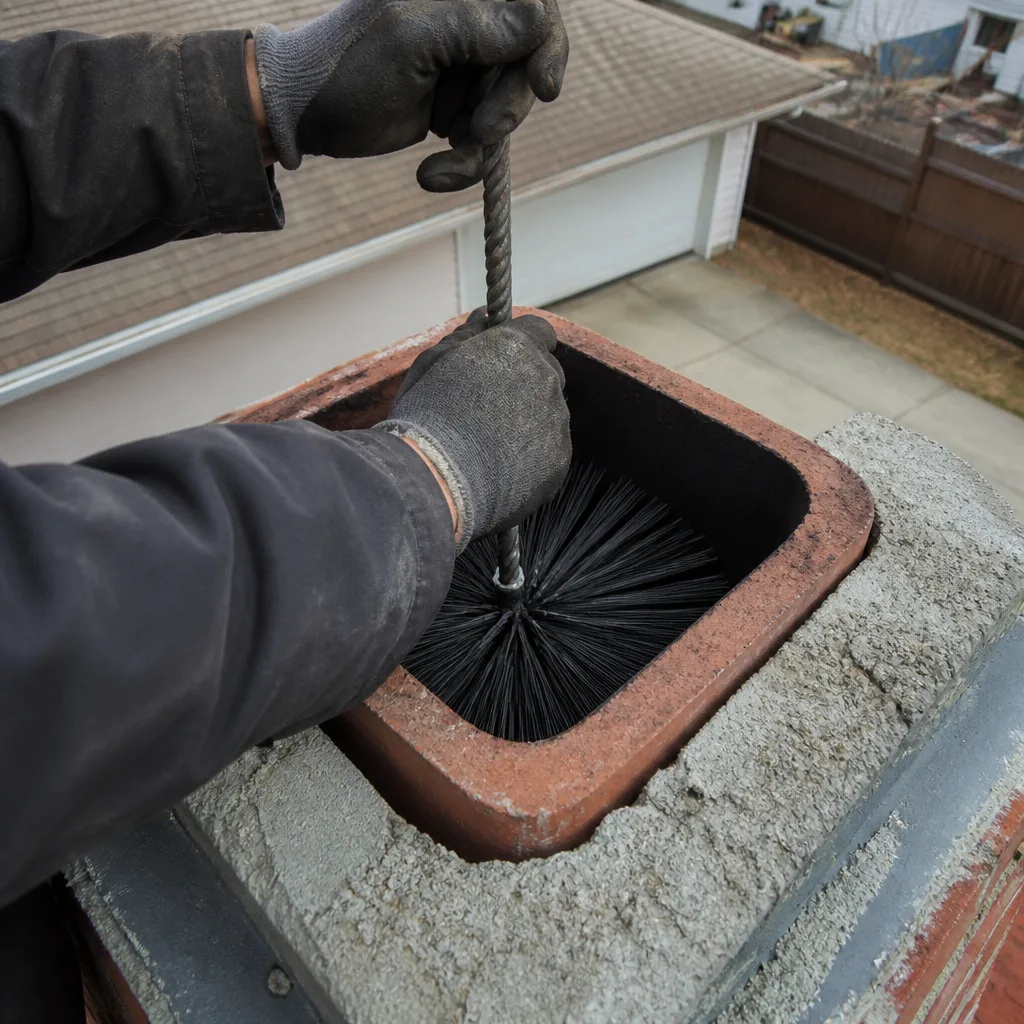
 Sweep & inspection
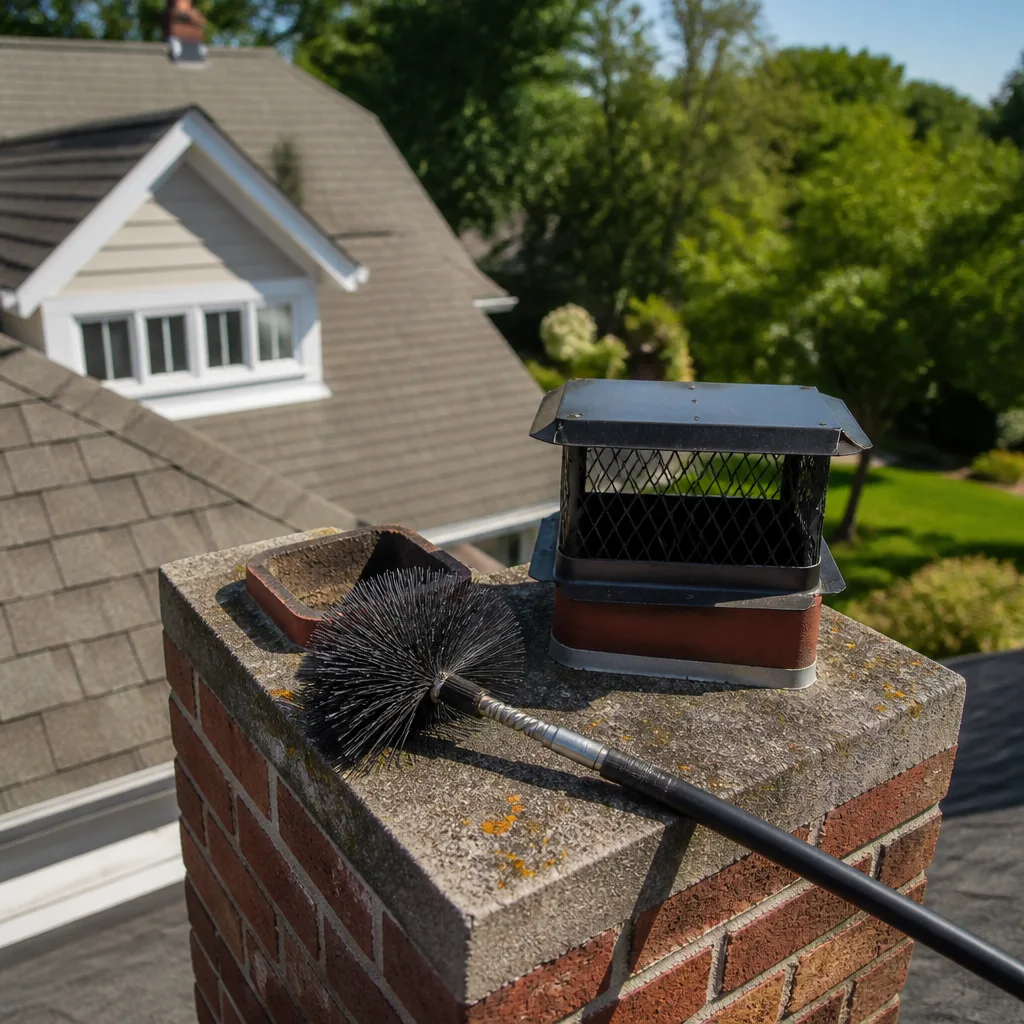
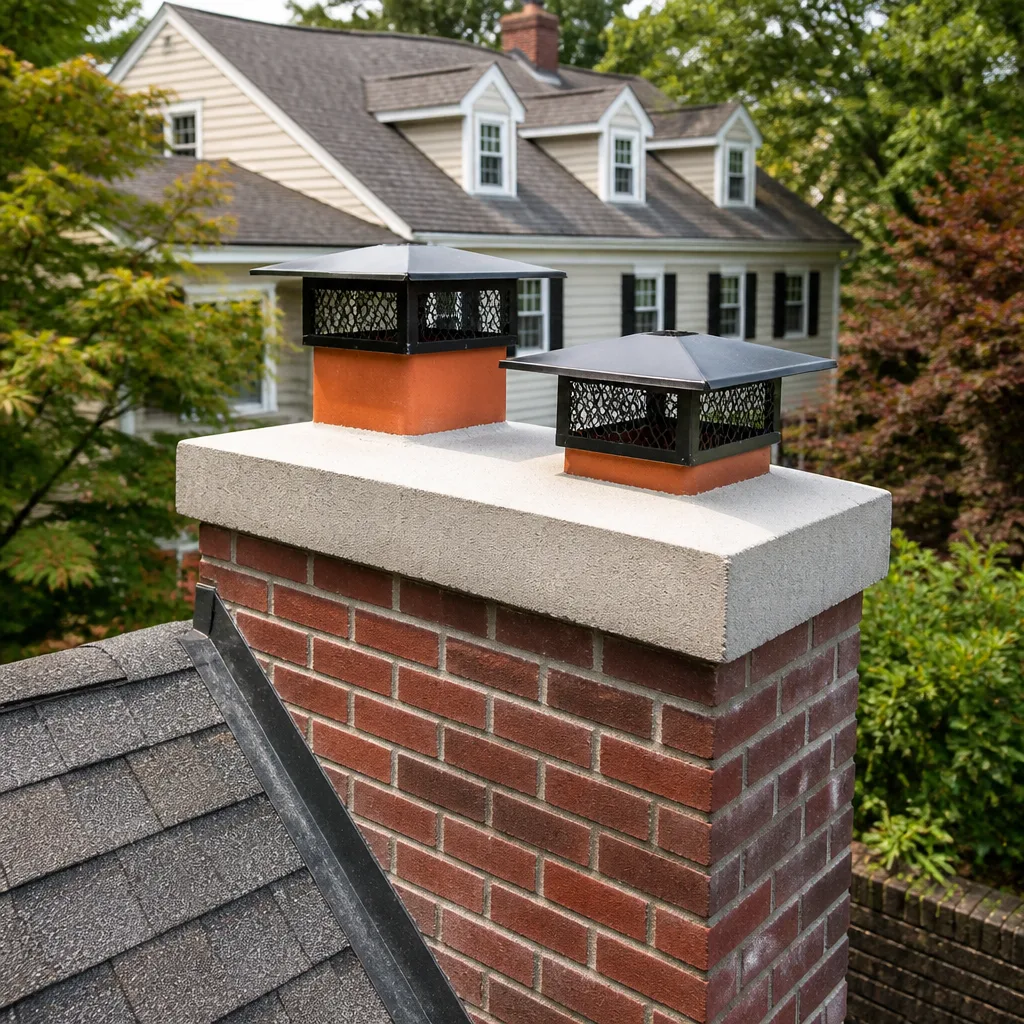 Caps & crowns
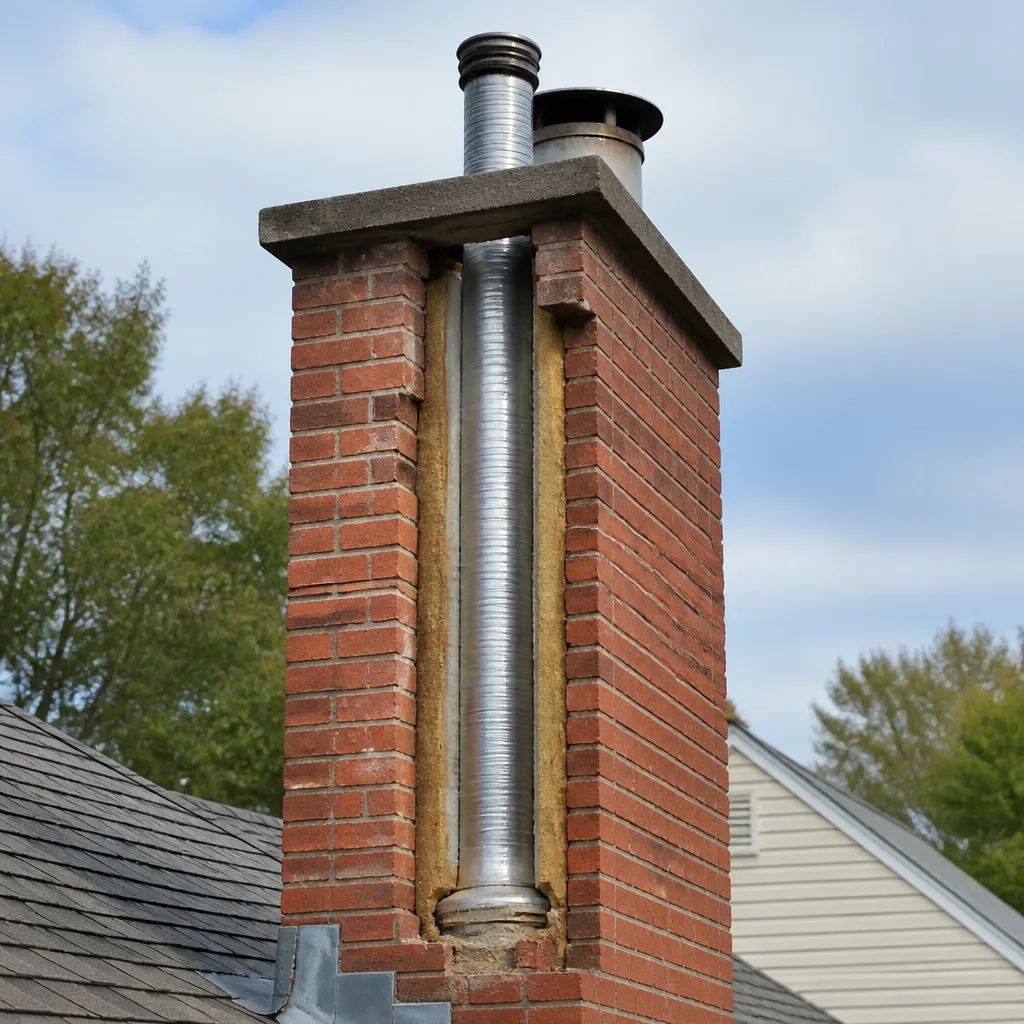 Flue relining
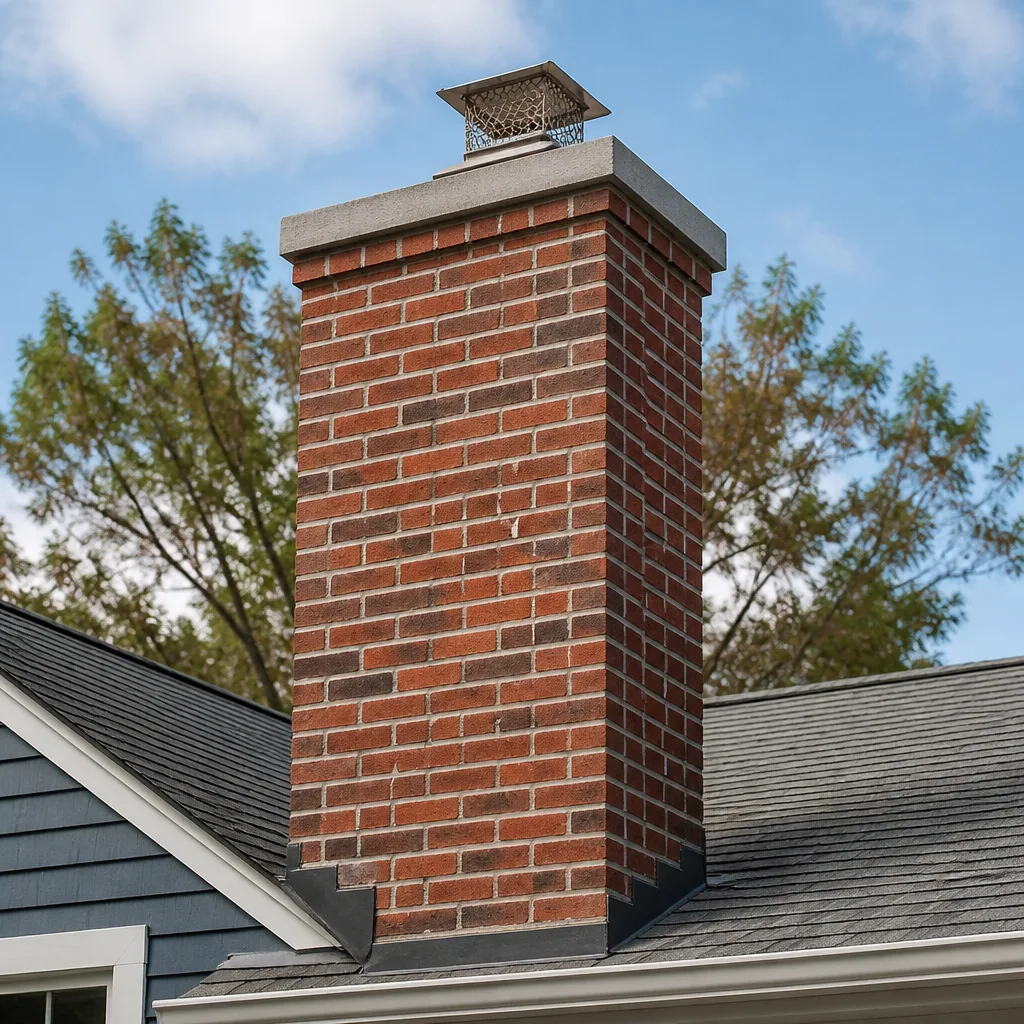 Masonry repair
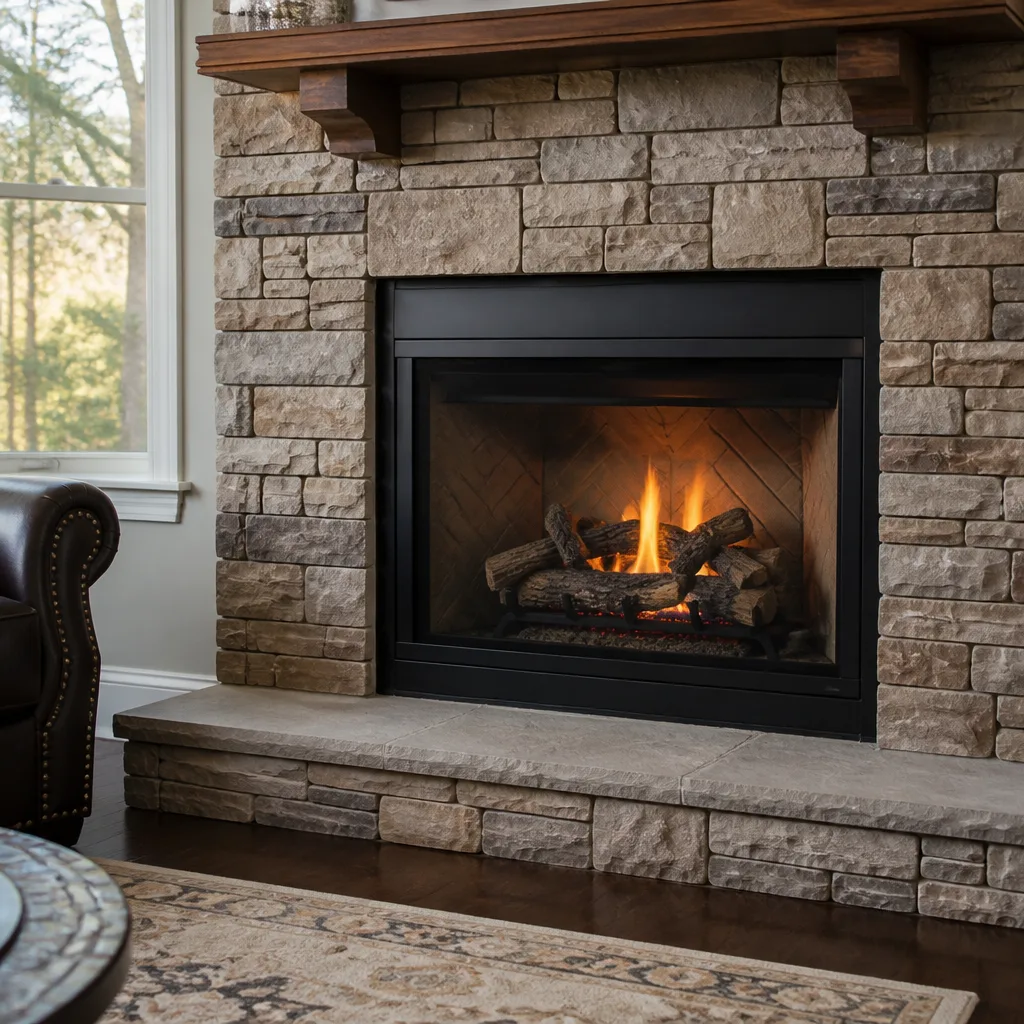 Gas fireplace service
Level 1 sweep and inspection to the NFPA 211 annual standard - flue, crown, cap, and flashing checked and photographed
Chimney sweep logs do not sweep chimneys. They loosen some creosote - which then falls where a brush and vacuum still have to collect it.
Styles & brands we work with
- Sweep & inspection
- Caps & crowns
- Flue relining
- Masonry repair
- Gas fireplace service
See the difference
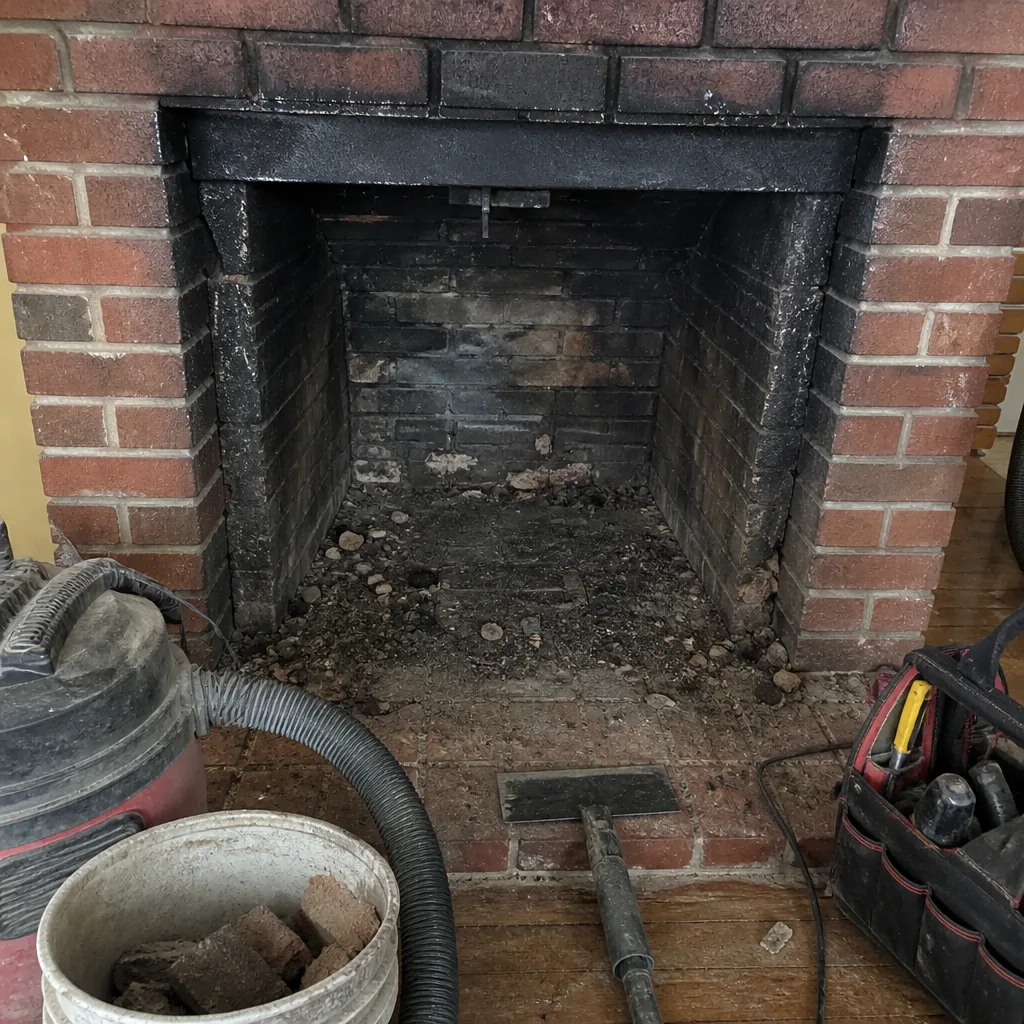 Before
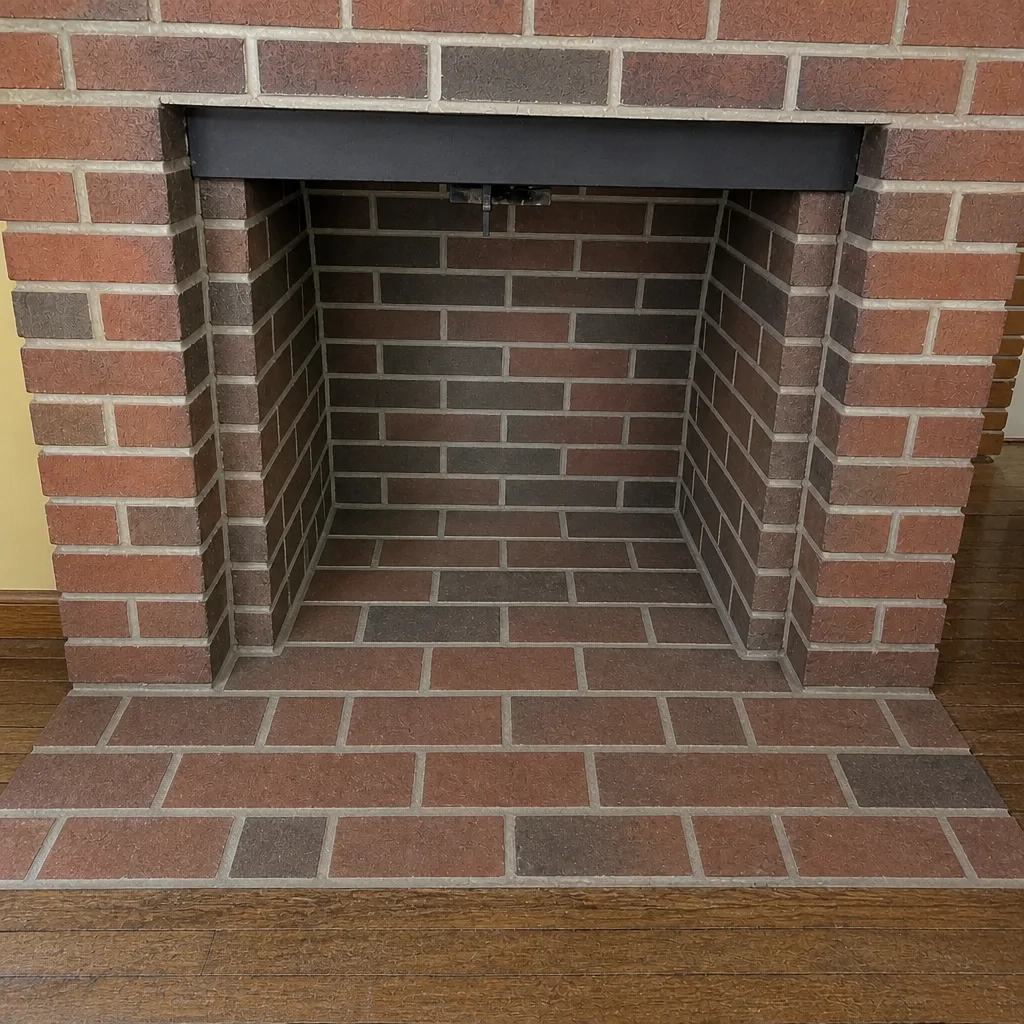 After
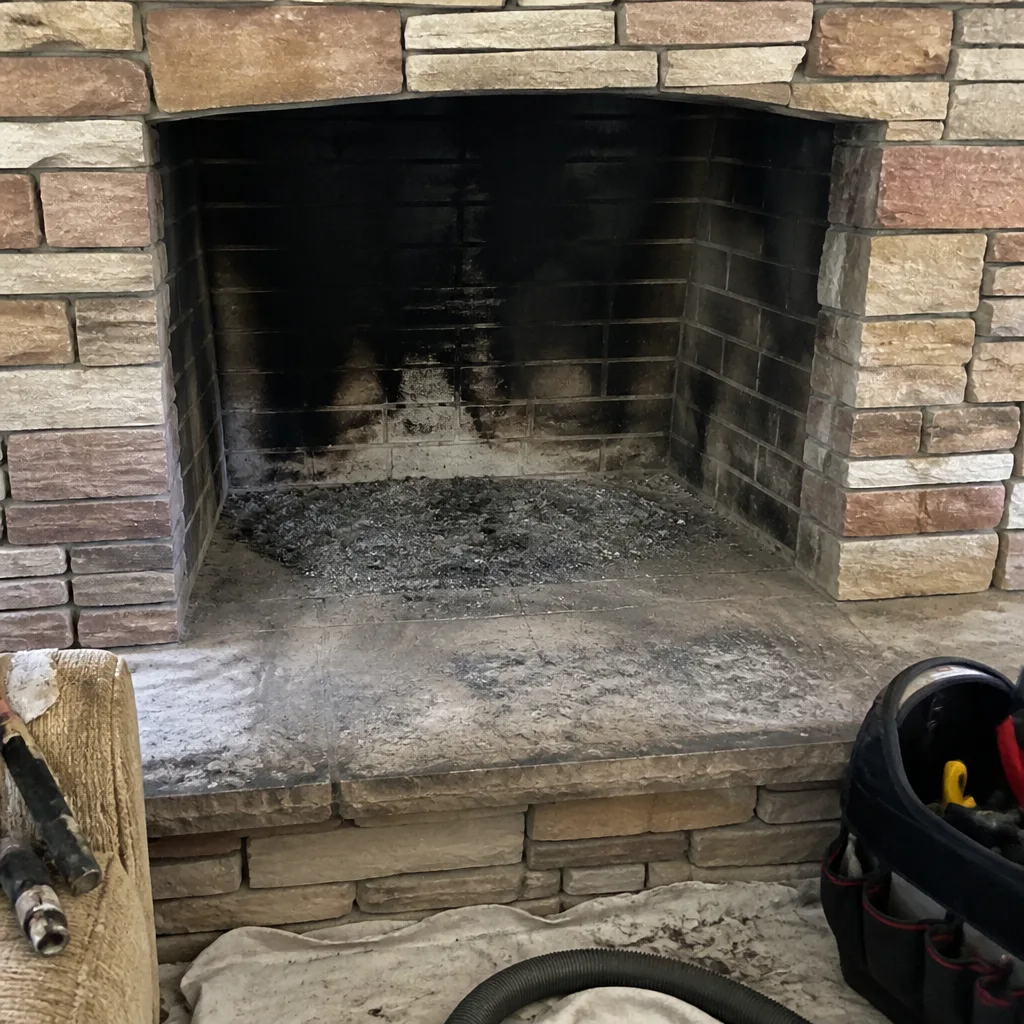 Before
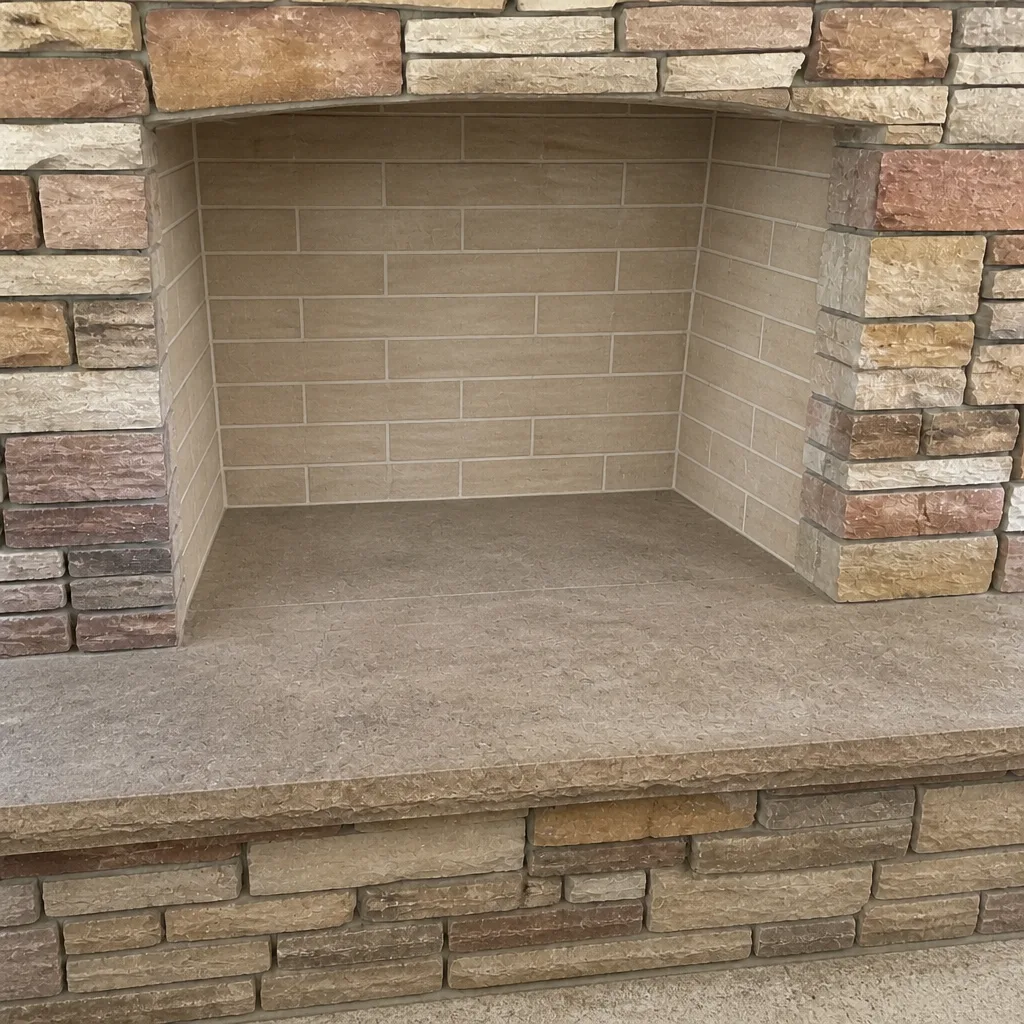 After
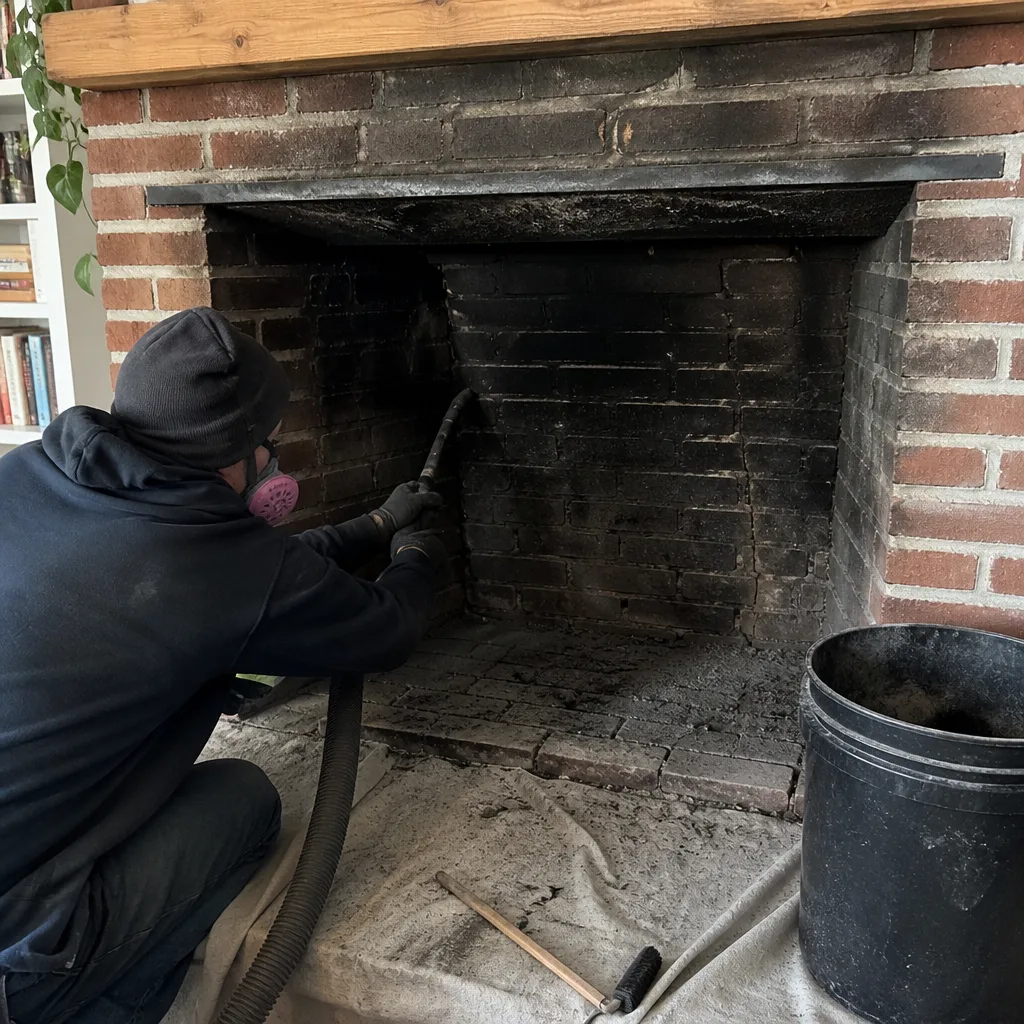 Before
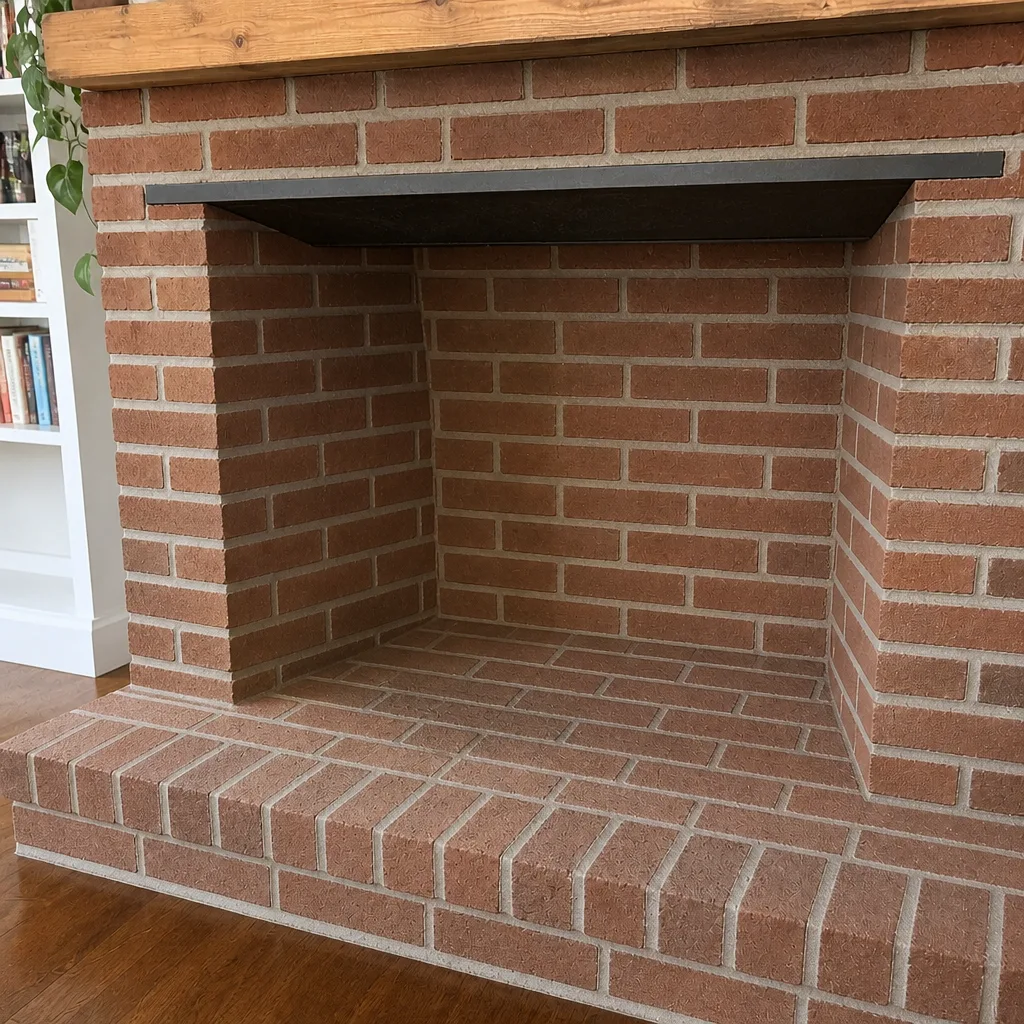 After
How Much Does Chimney Cleaning Cost in Lakewood?
Chimney cleaning in Lakewood typically costs $150 to $290 for a standard sweep, and most homes land around $195. That range covers a routine cleaning of a wood-burning flue with normal soot and creosote buildup. Heavier deposits, a gas appliance, or a flue that hasn’t been touched in several seasons pushes the number toward the top of the range or beyond it.
We inspect first, then recommend. That order matters here because the sweep price and the repair price are two different things, and you shouldn’t pay for the second until the first has told you it’s needed. Estimates are free, and the written estimate you get after the inspection is what sets the final price. Call (877) 792-6835. We answer 24/7. Fast dispatch from 7am to 7pm, Sunday through Friday.
Key Takeaways
- A standard chimney sweep in Lakewood runs $150 to $290, with most jobs near $195.
- Chimney inspections run $95 to $275 depending on the level of inspection you need.
- Creosote stage and flue accessibility are the two biggest price drivers.
- A cracked flue liner doesn’t always mean replacement: HeatShield resurfacing can restore a qualifying flue for less than a full tear-out.
- Free estimates, and the written estimate sets the final price.
Chimney Cleaning Cost Breakdown (2026)
Here’s how chimney work in Lakewood breaks down by line item. These are typical ranges we see in the local market, not exact quotes. Your written estimate is the number that counts.
| Service | Typical Lakewood Range | What It Covers |
|---|---|---|
| Standard chimney sweep (wood-burning) | $150 – $290 | Full flue cleaning, soot and creosote removal, firebox brush-down |
| Heavy creosote removal (Stage 3) | $290 – $600 | Glazed, hardened creosote that needs mechanical removal beyond a standard sweep |
| Gas fireplace or appliance vent cleaning | $120 – $220 | Vent and flue cleaning on a gas-burning system |
| Level 1 inspection (visual) | $95 – $150 | Readily accessible portions of the chimney and flue |
| Level 2 inspection (camera) | $175 – $275 | Video scan of the flue interior, often paired with a sweep |
| Chimney cap installation | $175 – $425 | Trade-grade cap (Gelco, Famco, Copperfield) to keep out water and animals |
| Crown repair or rebuild | $350 – $1,200 | Crown sealing up to full crown replacement |
| HeatShield flue resurfacing | $1,200 – $2,800 | Restores a damaged liner in qualifying chimneys without full replacement |
| DuraFlex liner installation | $2,200 – $4,500 | Flexible liner for offset or irregular flue paths |
What pushes a job toward the higher end? Creosote stage is the big one. A flue that’s been swept regularly carries soft, brushable soot. A flue that’s gone several seasons without a cleaning can build glazed, tar-like creosote that resists a standard brush and needs mechanical work. Flue accessibility matters too: a straight vertical flue is quick, while a chimney with an offset or a tight roof pitch takes more time and care. And a gas appliance cleans differently than a wood-burning one, which changes the labor.
The sweep and the inspection are usually done together, and that’s the honest starting point. We inspect first, then recommend, so you’re never quoted a repair before anyone has actually looked up the flue.
What Affects Chimney Cleaning Pricing in Lakewood
- Creosote stage. Stage 1 soot brushes out easily. Stage 3 glazed creosote is hard, shiny, and needs mechanical removal, which adds labor and time to the job. This single factor moves the price more than anything else.
- Flue configuration. A straight flue is straightforward. A flue with an offset, a bend, or an irregular path is slower to clean and slower to inspect, and it’s exactly the kind of chimney where a flexible DuraFlex liner matters if a liner turns out to be needed.
- Fuel type. Wood-burning fireplaces produce soot and creosote and typically need annual sweeping. Gas appliances vent differently and clean faster, so the price reflects the shorter job.
- Chimney height and roof access. Lakewood homes sit at roughly 5,500 feet, and the metro’s freeze-thaw swings between seasons crack crowns and mortar joints over time. A taller chimney or a steep roof pitch means more setup and more safety rigging, which shows up in the labor line.
- What the inspection finds. A sweep that turns up a cracked flue tile, a failing crown, or a missing cap changes the conversation. That’s where HeatShield resurfacing, Crown repair, or a new cap comes in, and those are priced separately so you can see exactly what you’re paying for.
- Whether the chimney has ever been cleaned. A first-time sweep on a long-neglected flue takes longer and sometimes uncovers damage that changes the scope. It’s worth knowing before you book.
How to Save on Chimney Cleaning
The most reliable way to keep chimney cleaning costs down in Lakewood is to sweep on a regular schedule. Annual cleaning prevents creosote from reaching the glazed stage, and a routine sweep is far cheaper than heavy creosote removal. Skipping a season or two to save money usually costs more later.
A few practical moves:
- Sweep before the heating season starts. Book the cleaning while the chimney is idle rather than after the first cold snap, when everyone in the metro is calling at once.
- Get the inspection and the sweep done together. Combining a Level 1 inspection with a standard sweep is more efficient than booking them separately.
- Ask about resurfacing before replacement. If an inspection turns up a damaged liner, HeatShield restoration is often the less invasive, cost-conscious option for a qualifying chimney. We lead with that before recommending a full liner.
- Address water intrusion early. A missing cap or a cracked crown lets water in, and water is what degrades mortar and flue tiles. A trade-grade cap (we install Gelco, Famco, and Copperfield caps) is a small line item that prevents larger repair bills down the road.
- Take the free estimate. We don’t charge to look and quote. Call (877) 792-6835 and we’ll set up an estimate so you know the number before any work starts.
Why Material Choice Changes the Long-Term Cost
A chimney cleaning quote only covers the cleaning. But what gets installed when a repair is needed is what determines whether you’re paying for the same fix again in a few years. That’s where we draw a hard line: trade-grade materials, not hardware-store substitutes.
We work with DuraFlex flexible liner systems, HeatShield, Gelco, Olympia Chimney, Famco, and Copperfield. These are the brands specified by certified chimney technicians, and they’re chosen for a reason. DuraFlex liners are engineered for offset and non-standard flue configurations that rigid systems can’t handle. HeatShield resurfacing lets us restore a damaged flue in qualifying chimneys without tearing out the existing liner. Gelco and Famco caps are recognized trade-standard products for weather and animal exclusion.
The point isn’t to sell you on a brand name. It’s that a cheap cap or a commodity liner fails sooner, and a failed liner means another repair. From sweep to structural repair, the goal is to do the job once with materials that hold up to Lakewood’s freeze-thaw cycles.
Repair or Replace? How to Think About It
When a cleaning reveals damage, the question is whether to repair or replace the liner or the chimney structure. The answer depends on what’s actually wrong. A cracked flue tile in an otherwise sound chimney is a candidate for HeatShield resurfacing, which restores the flue interior and is typically far less than a full liner replacement. A flue with multiple failures, a shifted liner, or an irregular path that no resurfacing can correct is a candidate for a DuraFlex liner install.
We inspect first, then recommend, and the recommendation follows the condition of the chimney, not a sales target. You’ll see the inspection findings and the options in writing before anything is approved. One crew, one invoice: the same company that sweeps the chimney handles the liner, the cap, the crown, and any structural repair, so there’s no handoff to a second contractor mid-project.
What a Typical Chimney Cleaning Visit Involves
Knowing what happens during a sweep helps you understand what you’re paying for. A standard visit starts with protecting the work area and checking the firebox and flue for obvious issues. We then brush the flue from the top down or bottom up depending on the configuration, removing soot and creosote and capturing the debris so it doesn’t end up in your living room. The firebox and smoke chamber get brushed down, and we do a visual check of the accessible portions of the chimney.
If a Level 2 inspection is part of the job, we run a camera down the flue to see the interior condition. That’s how small cracks, gaps, and early-stage damage get caught before they become a bigger problem. Gas and wood-burning systems are handled differently, and the visit reflects which one you have. At the end, you get a clear picture of the chimney’s condition and any recommended next steps, priced separately.
Safety: Why This Isn’t a Do-It-Yourself Job
Chimney cleaning looks simple from the ground. It isn’t. Creosote is highly flammable, and a poorly cleaned flue leaves deposits that can ignite. Roof access at Lakewood’s elevations involves ladders, heights, and fall risk that a trained technician manages with proper equipment. And the inside of the flue, once you’re looking at it, is where cracked liners, gaps, and carbon-monoxide pathways get found. Those are exactly the things that should be identified by someone who inspects chimneys for a living.
This is why we recommend a trained professional for anything beyond basic surface checks. If you’re unsure whether your chimney needs attention, the safest move is a cleaning and an inspection by a specialist who can see the full flue, not a DIY attempt that misses what matters. Our technicians have up to 11 years of experience, and every job starts with an inspection report.
Same-Day Booking and What Happens When You Call
Chimney cleaning is scheduled work, not an emergency call, but we keep the booking process simple. When you call, we’ll ask about your fireplace type, when it was last cleaned, and whether you’ve noticed any smoke issues, water intrusion, or animal activity. That tells us what to expect and how long to set aside. Some jobs can be handled same-day depending on the schedule.
We answer 24/7. Fast dispatch from 7am to 7pm, Sunday through Friday. We’re closed Saturday. If you call outside dispatch hours, we’ll book you into the next opening, Sunday through Friday, 7am to 7pm. Estimates are free, so there’s no cost to get the number and decide.
FAQs – Chimney Cleaning Cost
How much does a chimney sweep cost in Lakewood?
A standard chimney sweep in Lakewood typically runs $150 to $290, with most homes landing around $195. Heavy creosote removal runs $290 to $600. Call (877) 792-6835 for a free estimate tailored to your chimney.
How often should a chimney be cleaned?
Most wood-burning chimneys should be cleaned once a year, and more often with heavy use. In Lakewood, where the heating season is real and creosote builds steadily, an annual sweep keeps deposits from reaching the glazed stage that costs more to remove. Call (877) 792-6835 to schedule.
Is it cheaper to repair or replace a chimney liner?
Repair is often cheaper when the damage qualifies for resurfacing. HeatShield restoration typically runs $1,200 to $2,800, while a full DuraFlex liner installation runs $2,200 to $4,500. The inspection tells you which one your chimney needs. Call (877) 792-6835. We answer 24/7.
Do I need a chimney inspection with every cleaning?
A Level 1 inspection is usually paired with an annual sweep and adds $95 to $150 to the visit; a Level 2 camera inspection runs $175 to $275. Pairing them is more efficient than booking separately, and it’s how small problems get caught early. Call (877) 792-6835 for a free estimate.
Can you come today?
Same-day chimney cleaning is often possible depending on the schedule, and estimates are free. We answer 24/7. Fast dispatch from 7am to 7pm, Sunday through Friday. Call (877) 792-6835 and we’ll find the next opening.
Why Choose Chimney Sweep Lakewood Pros
Households along Alameda, Belmar, and the older neighborhoods near the Lakewood Country Club are working on chimneys that go back decades, and Lakewood’s freeze-thaw cycles make crowns, mortar, and flue tiles work harder than in milder climates. That’s why we handle the whole lifecycle (sweep, inspection, repair, cap and crown) under one company using trade-grade materials: chimney sweep lakewood pros. Whether you’re due for an annual cleaning or the inspection just turned up a cracked liner, we’ll give you a free estimate, write it down, and stand behind the work with our satisfaction guarantee. The local pro is licensed and insured as their state requires.
Get Your Free Lakewood Chimney Cleaning Estimate
Call (877) 792-6835 for a free estimate. We answer 24/7. Fast dispatch from 7am to 7pm, Sunday through Friday. We’ll inspect first, give you the numbers in writing, and let you decide. Our technicians have up to 11 years of experience, and every estimate is free. Estimates are free, the final price is set per job in writing, and there’s no pressure.
Written by the team at Chimney Sweep Lakewood Pros.
Pricing reflects the Lakewood market as of 2026. Chimney Sweep Lakewood Pros offers free estimates – call (877) 792-6835.
What Our Customers Say
"Swept it, capped it, and installed a proper damper. The downdraft smell in the summer that we'd lived with for years is gone."
- Veronica Delgado"Crown was cracked and taking water. Repaired it rather than quoting a rebuild, which the previous company had pushed hard for."
- Yolanda Reyes"Good work. The written inspection report took about a week to arrive after I asked for it, which was slower than I expected."
- Greg Barrett