
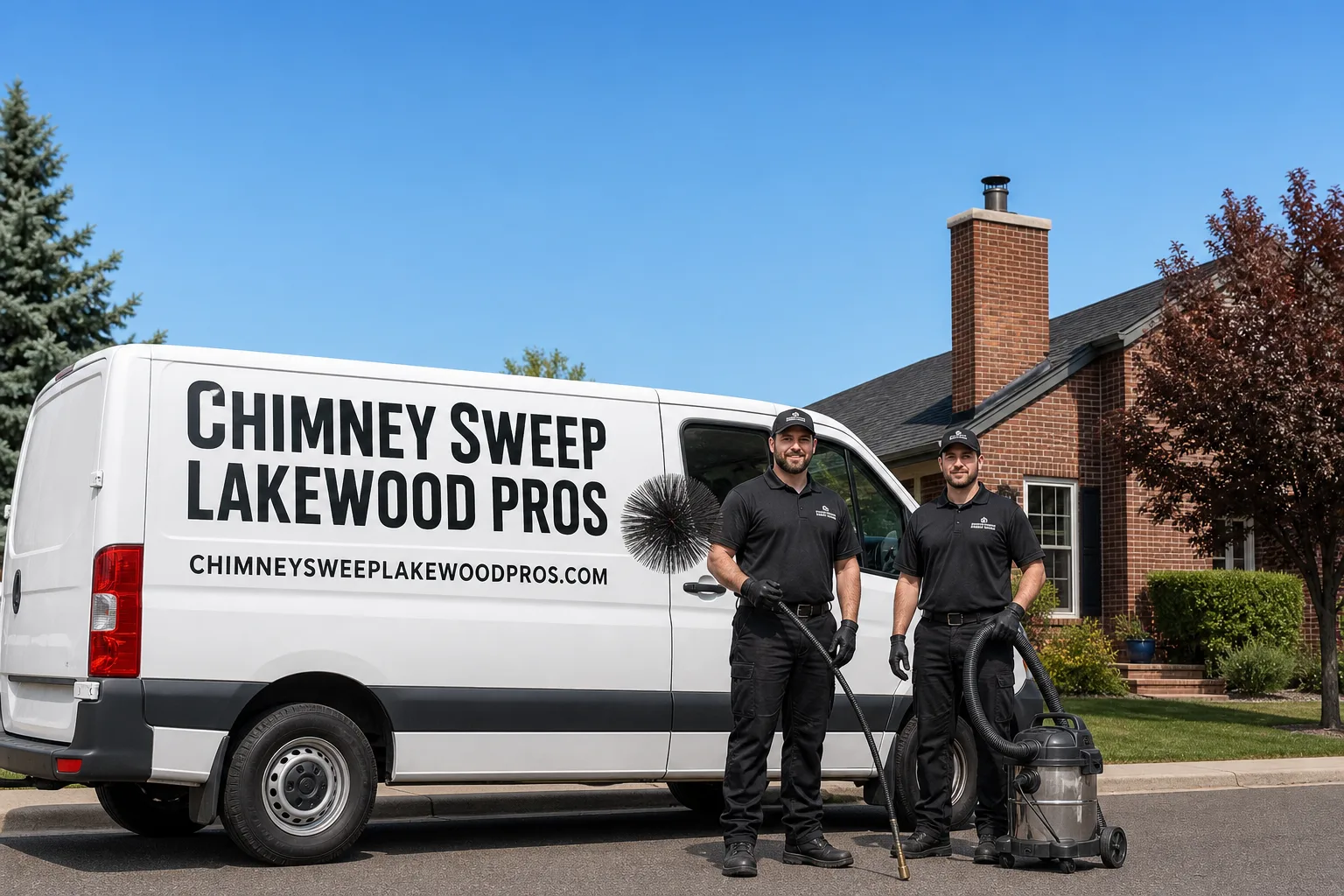
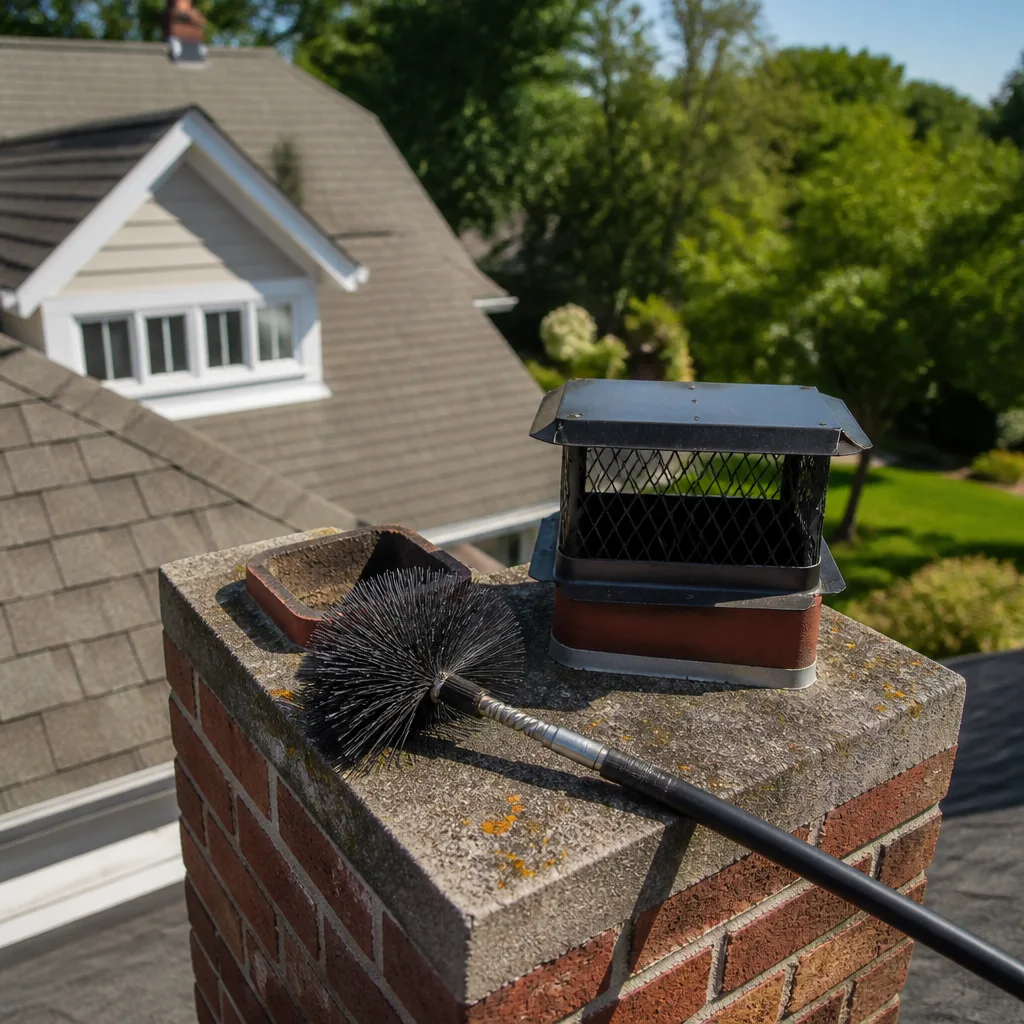
 Sweep & inspection
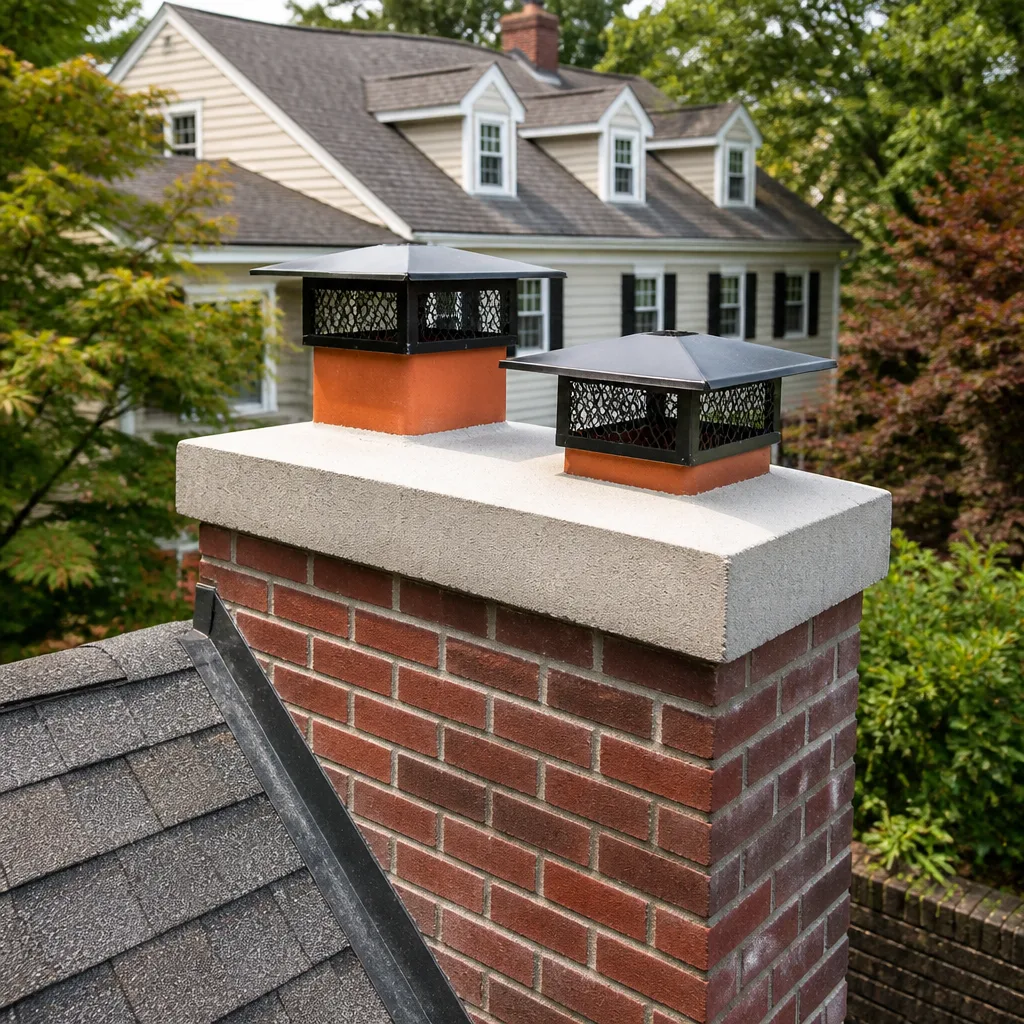 Caps & crowns
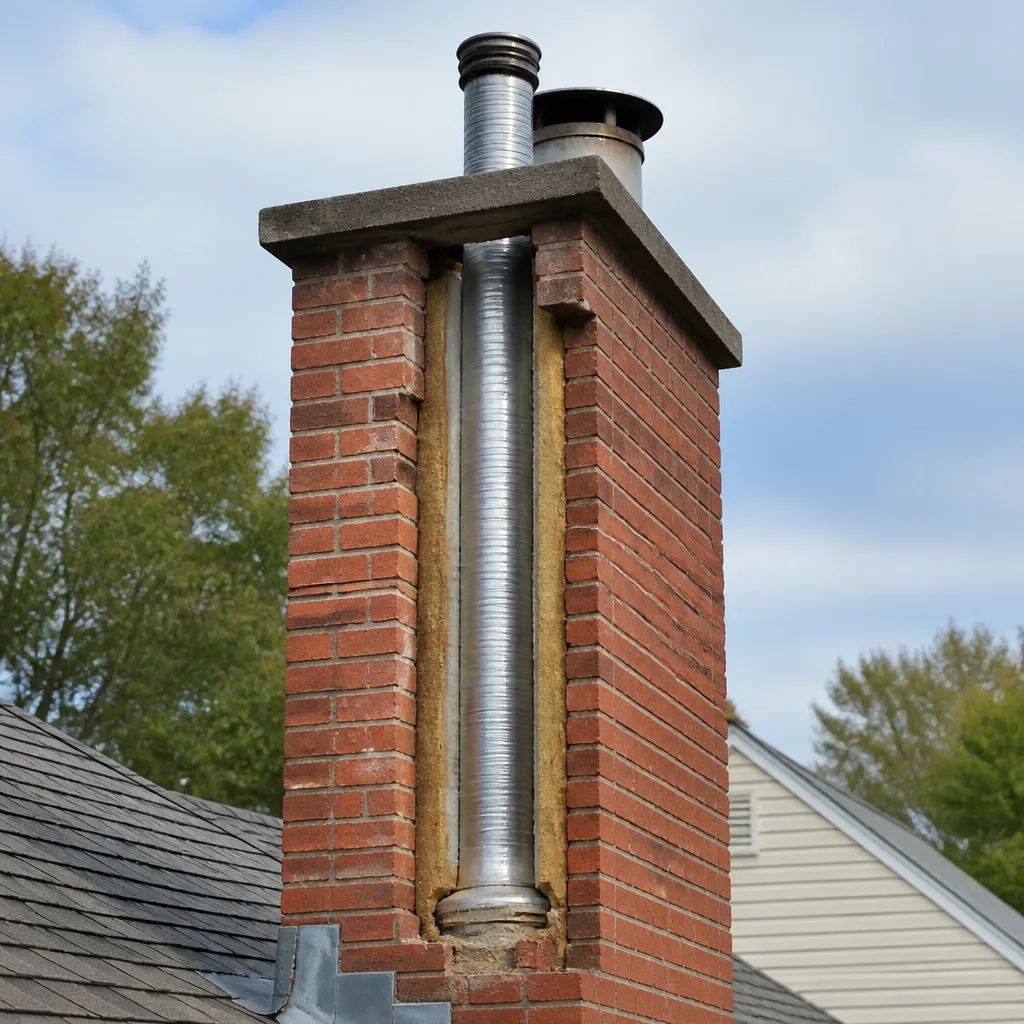 Flue relining
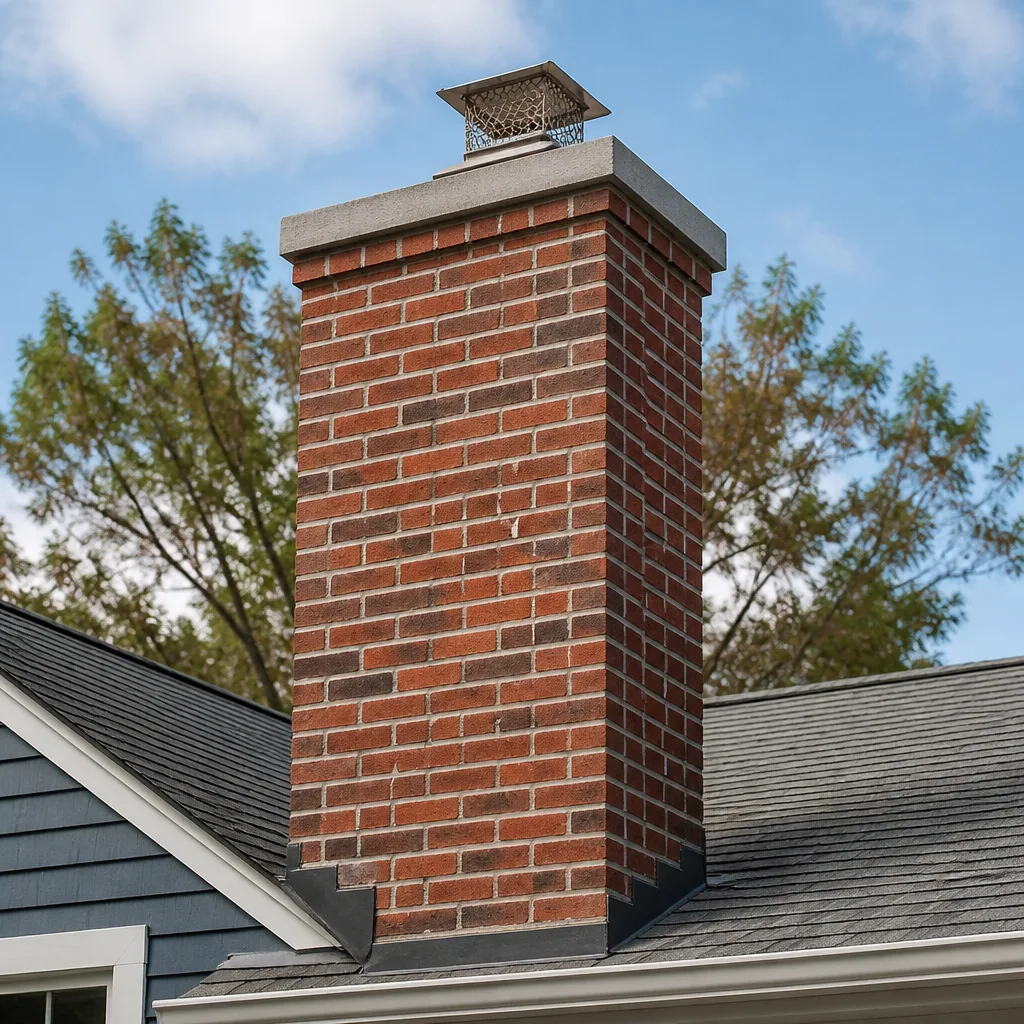 Masonry repair
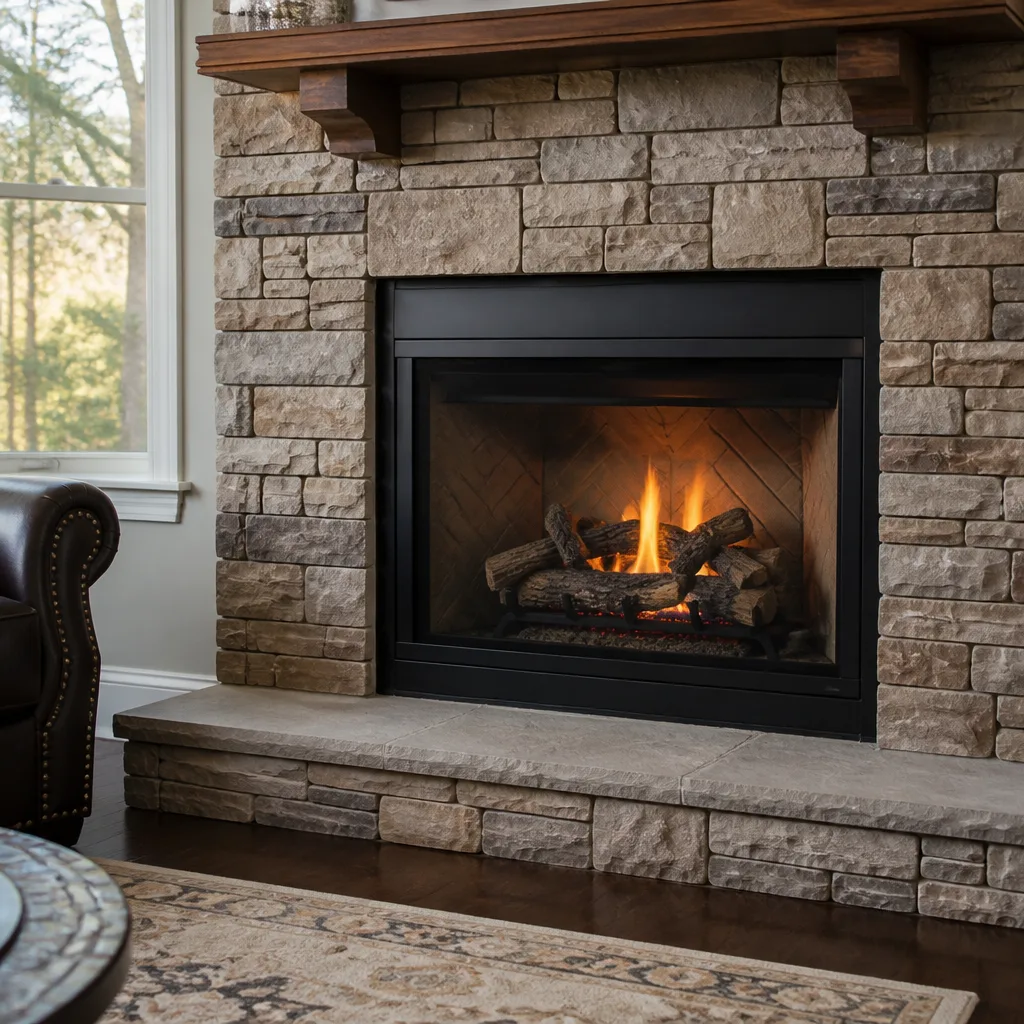 Gas fireplace service
Level 1 sweep and inspection to the NFPA 211 annual standard - flue, crown, cap, and flashing checked and photographed
Chimney sweep logs do not sweep chimneys. They loosen some creosote - which then falls where a brush and vacuum still have to collect it.
Chimney Repair in West Pleasant View, CO
Chimney repair in West Pleasant View typically runs $350 to $2,800, depending on whether you’re looking at repointing, waterproofing, flashing work, or a partial rebuild. Here in West Pleasant View, that range leans toward the higher end more often than you’d expect, because the canyon-edge ranches carry a specific set of problems we’ll get into below. If your fireplace smells like smoke on a cold, calm night, or you’re seeing crumbly mortar joints on the chimney’s weather side, call (877) 792-6835 for a free estimate. We answer 24/7, with fast dispatch from 7am to 7pm.
Key takeaways:
- Most West Pleasant View masonry repairs fall between $350 and $2,800.
- Short exterior chimneys on canyon-edge homes often draft poorly, and a sweep isn’t always the fix.
- Spalling brick and cracked crowns are the two most common repair calls in the neighborhood.
- Trade-grade materials only: HeatShield, Gelco, Olympia Chimney, Famco.
Why Chimney Repair in West Pleasant View Isn’t a Generic Job
West Pleasant View sits right where Clear Creek Canyon opens onto the plains. That geography does more to a chimney than most homeowners realize. Cold air drains down the canyon at night, and the same downslope winds that make the foothills dramatic can push right into an exterior flue. At the same time, upslope storms off the Front Range drive snow hard against the chimney’s exposed faces. Both forces hit the same masonry.
The result: a repair profile you don’t see in flat, sheltered communities. Freeze-thaw cycles work the mortar joints on the west and north sides. Wind-driven snow finds its way into uncapped flues. Creosote builds through a heating season that starts early and runs long. And the houses themselves are mid-century ranch and split-level builds from the 1950s through the 1970s, many with original clay-tile liners that are now well past their optimistic years.
There’s a second group here too: newer foothill-adjacent homes with factory-built metal chimney systems. Owners of those often can’t figure out why the fireplace smokes when the fire’s just getting going. The answer is usually draft, not dirt. Same result either way. You need someone who’s diagnosed this specific chimney profile before, not someone reading a checklist off a template.
Styles & brands we work with
- Sweep & inspection
- Caps & crowns
- Flue relining
- Masonry repair
- Gas fireplace service
The West Pleasant View Draft Problem Nobody Talks About
Here’s the thing worth slowing down for. The canyon-edge ranches in West Pleasant View frequently have short exterior chimneys, and a short exterior chimney sitting on the pressure-plane side of a house is a chimney that’s fighting itself. On a calm, cold night, warm flue gases want to rise but the stack isn’t tall enough to overcome the negative pressure the house creates. The fireback spills smoke into the room. The homeowner assumes the flue is dirty and books a sweep. Sometimes it is dirty. But if the sweep comes back clean and the smoke problem stays, the issue isn’t maintenance. It’s physics.
That misdiagnosis matters, because it sends people toward the wrong spend. A short chimney that won’t draft properly may need its height addressed, its cap geometry rethought, or its liner evaluated for the right diameter and configuration, not a few hundred dollars of cleaning every season. Fixing the draft starts with actually looking at the flue and the chimney top and measuring what you find. We inspect first, then recommend, and we show you what we saw.
The clever part, if there is one: once the chimney’s properly configured, the creosote problem in a lot of these houses shrinks noticeably on its own. Poor draft deposits more creosote on the flue walls. Good draft burns cleaner and carries it up and out. That’s not a sales pitch, that’s combustion.
What Causes Chimney Problems in West Pleasant View
The specific failure modes here come down to wind, snow, and time. After a heavy upslope storm, foothill winds drive snow and debris into uncapped exterior flues. That packed snow melts and refreezes inside the flue, and repeated cycles crack clay tiles. Packed debris and animal nests are routine on the older ranch homes along the canyon edge, and wind-driven downdrafts are one of the most common calls we take from West Pleasant View.
Meanwhile, the original clay-tile flues in those 1950s through 1970s houses are often carrying third-degree creosote glaze, which hides behind spalling mortar joints where it’s easy to miss until an inspection opens things up. And the short exterior chimneys on foothill-adjacent homes draft weakly on calm nights, which masks early flashing failures: the smoke smells like a draft problem, but water is already working its way in at the flashing.
How a Typical Chimney Repair in West Pleasant View Usually Goes
In West Pleasant View’s older ranch homes, the common repair issue is spalling brick around the firebox or the chimney crown, driven by freeze-thaw cycles and wind-driven snow getting into uncapped flues. A qualified local pro typically performs a Level 2 inspection first, then repoints the mortar and applies a waterproofing sealant to stop further deterioration, and usually recommends a proper chimney cap to block snow and debris. That sequence is deliberate. You assess, then repair, then protect. Skipping the assessment is how people end up paying twice.
If the liner’s in rough shape, HeatShield resurfacing can often restore a damaged flue without the cost and disruption of a full tear-out liner replacement. That’s the option to ask about before assuming you’re facing a rebuild. DuraFlex flexible liner systems handle offset and irregular flue paths that rigid liners can’t navigate, which matters in these older houses where the flue path isn’t a clean straight run. One crew, one invoice, from inspection through the finished repair.
Why West Pleasant View Homeowners Choose Us
We handle the full scope in-house: five distinct service categories, all delivered by our own technicians, no handoffs to a second contractor mid-project. From a routine sweep to structural repair, the same accountability applies. West Pleasant View has a lot of older masonry that’s reached the age where half-measures cost more than doing it properly the first time, and our approach leans toward doing it properly the first time.
Our technicians have up to 11 years of experience, and we work exclusively with professional-trade materials. HeatShield for liner resurfacing, DuraFlex for flexible liner systems, Gelco and Famco caps, Olympia Chimney components, Copperfield where the job calls for it. Not the big-box substitutes. The same materials specified by certified chimney technicians nationally. That’s not a marketing flourish. It’s the difference between a repair that holds through a few Front Range winters and one that doesn’t. We inspect first, then recommend, and we’ll tell you plainly when work can safely wait.
Our Chimney Repair Services in West Pleasant View
Mortar Repointing
Repointing is the bread and butter of chimney repair in West Pleasant View, because the freeze-thaw cycle works hard on mortar joints that are already 50 or 60 years old. We rake out the failing joints to sound masonry and repack them properly, not just smear a layer over the surface. On the much-affected west and north faces of canyon-edge ranches, we often find the joints are further gone than the brick itself. Repointing saves the brick. That’s the point of doing it while there’s still brick worth saving.
Spalling Brick Repair
Spalling is brick that’s flaking, peeling, or losing its face, and it’s the damage that follows water getting in and freezing. Once you’re seeing it, the brick is already porous and taking in more water every storm. We assess how deep the damage runs, replace brick that’s too far gone, and treat the surrounding masonry so the spall pattern stops spreading. Catching spalling early is genuinely cheaper. Catching it late means a bigger rebuild, and the differential is real.
Chimney Waterproofing
Waterproofing is the single most cost-effective thing you can do to a masonry chimney that’s showing stress. We apply a breathable sealant that keeps liquid water out while allowing the masonry to release the vapor it needs to release. That distinction matters. A sealed-in chimney with trapped moisture spalls worse. On West Pleasant View’s wind-and-snow-facing chimneys, breathable waterproofing buys years of life from a relatively modest spend, and we recommend it alongside repointing for the best long-term result.
Flashing Repair
Flashing is the metal where the chimney meets the roof, and it’s the quiet source of leaks that appear as moisture inside the house rather than at the chimney. In West Pleasant View, early flashing failures get masked by the draft and smoke issues on short exterior chimneys; people are so focused on the smoke smell that they miss the water. We inspect the flashing properly and repair or re-lay it as needed. This is why our chimney repair team inspects the roofline, not just the firebox.
Trusted Brands We Service in West Pleasant View
We work with HeatShield, DuraFlex, Gelco, Olympia Chimney, Famco, and Copperfield because these are the materials specified by certified chimney technicians nationwide, not hardware-store alternatives. DuraFlex flexible liner systems install correctly in chimneys with offsets or irregular flue paths. HeatShield resurfacing means a damaged flue can often be restored without full replacement. Gelco and Famco caps are trade-standard for weather and animal exclusion. We don’t claim to stock parts locally, and we don’t need to. We specify correctly and order the right components, and the repair proceeds on the proper schedule rather than being forced around whatever’s convenient. Trade-grade materials, not substitutes, on every job.
See the difference
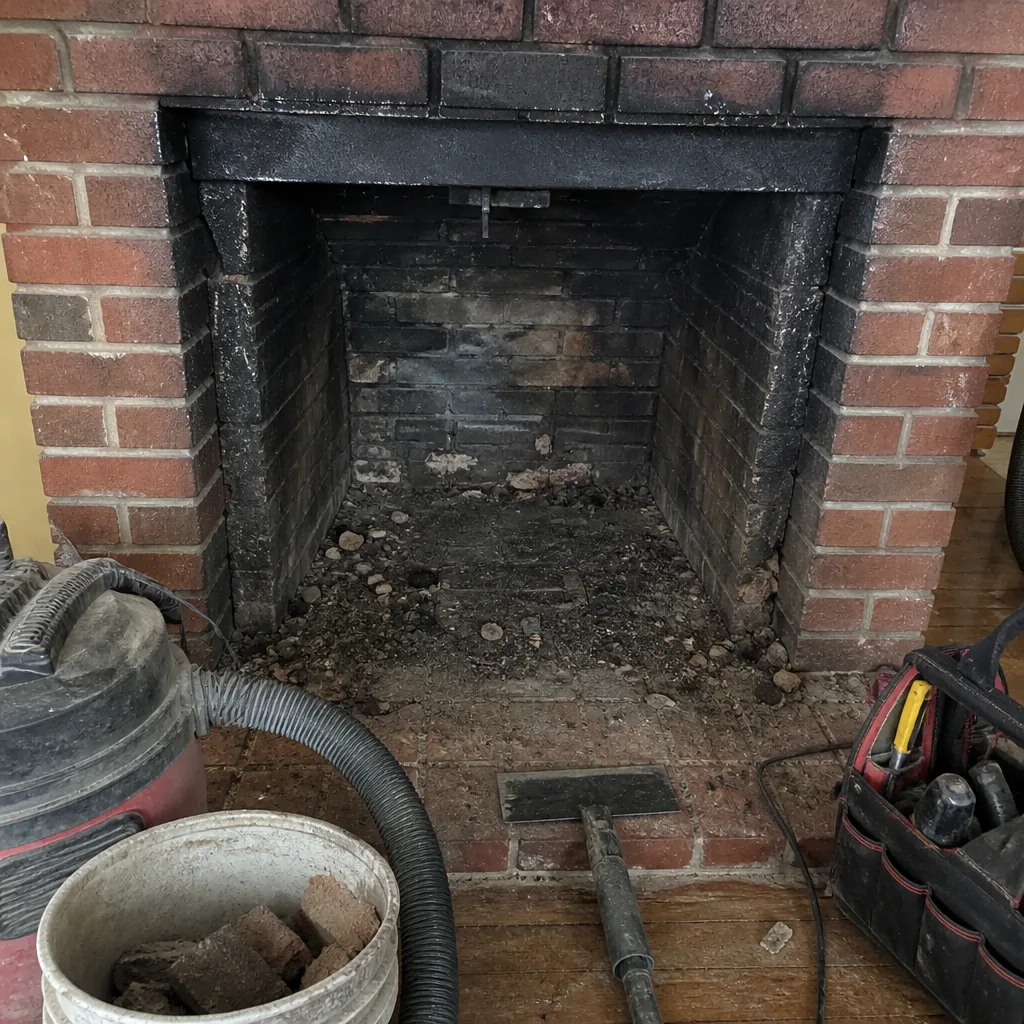 Before
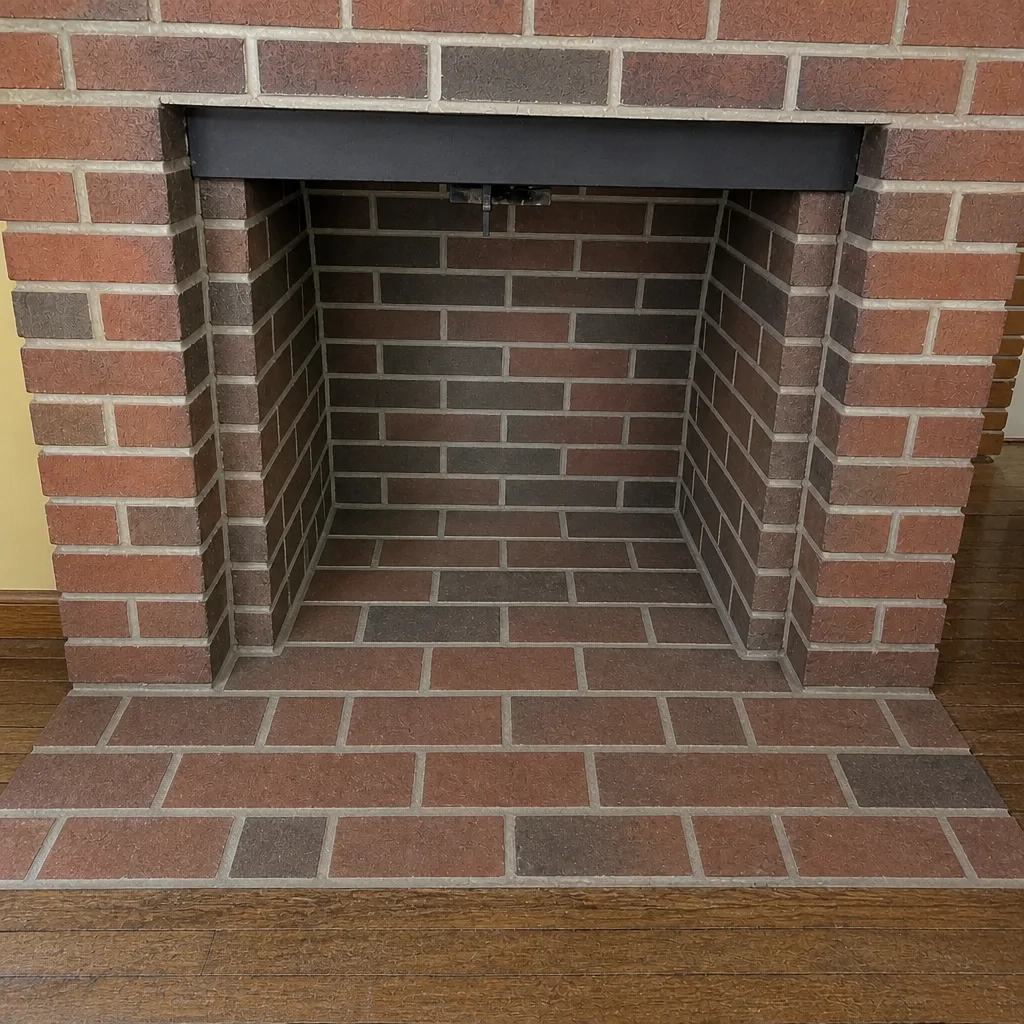 After
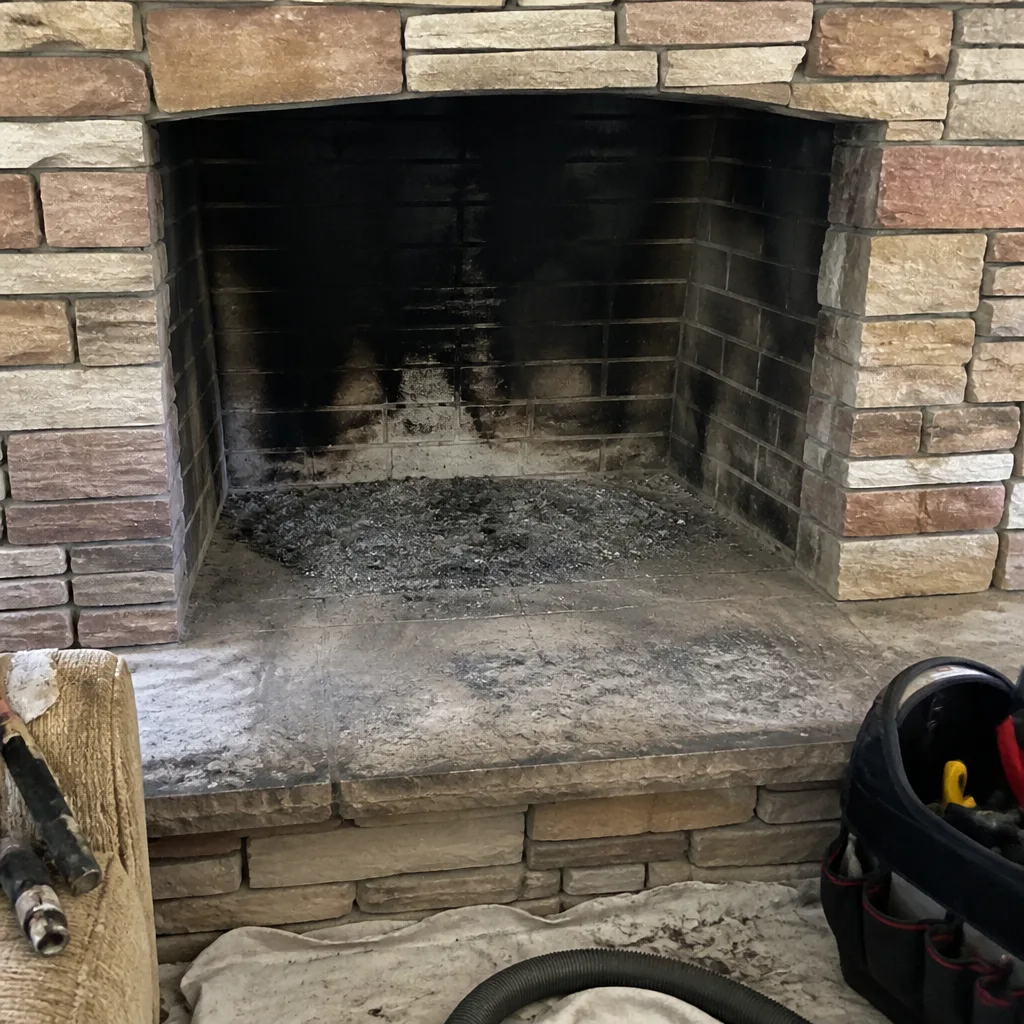 Before
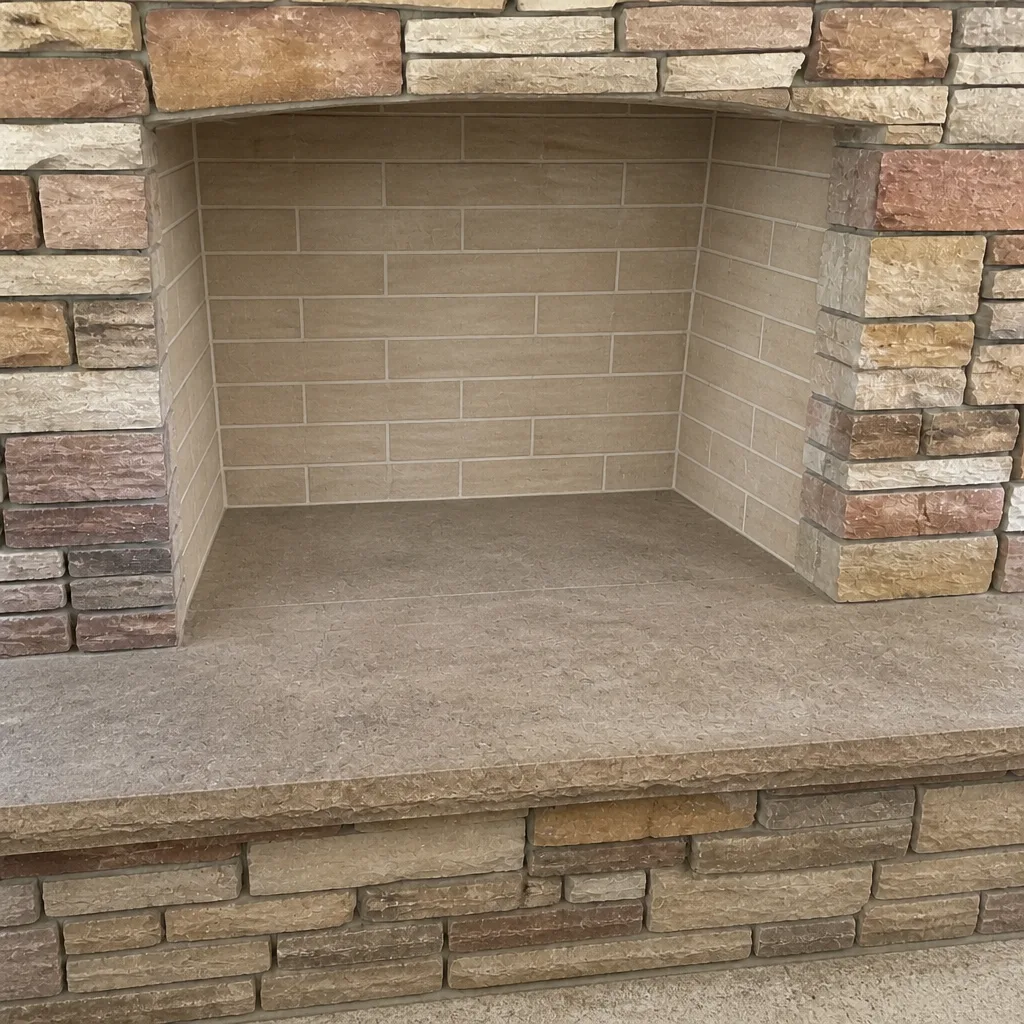 After
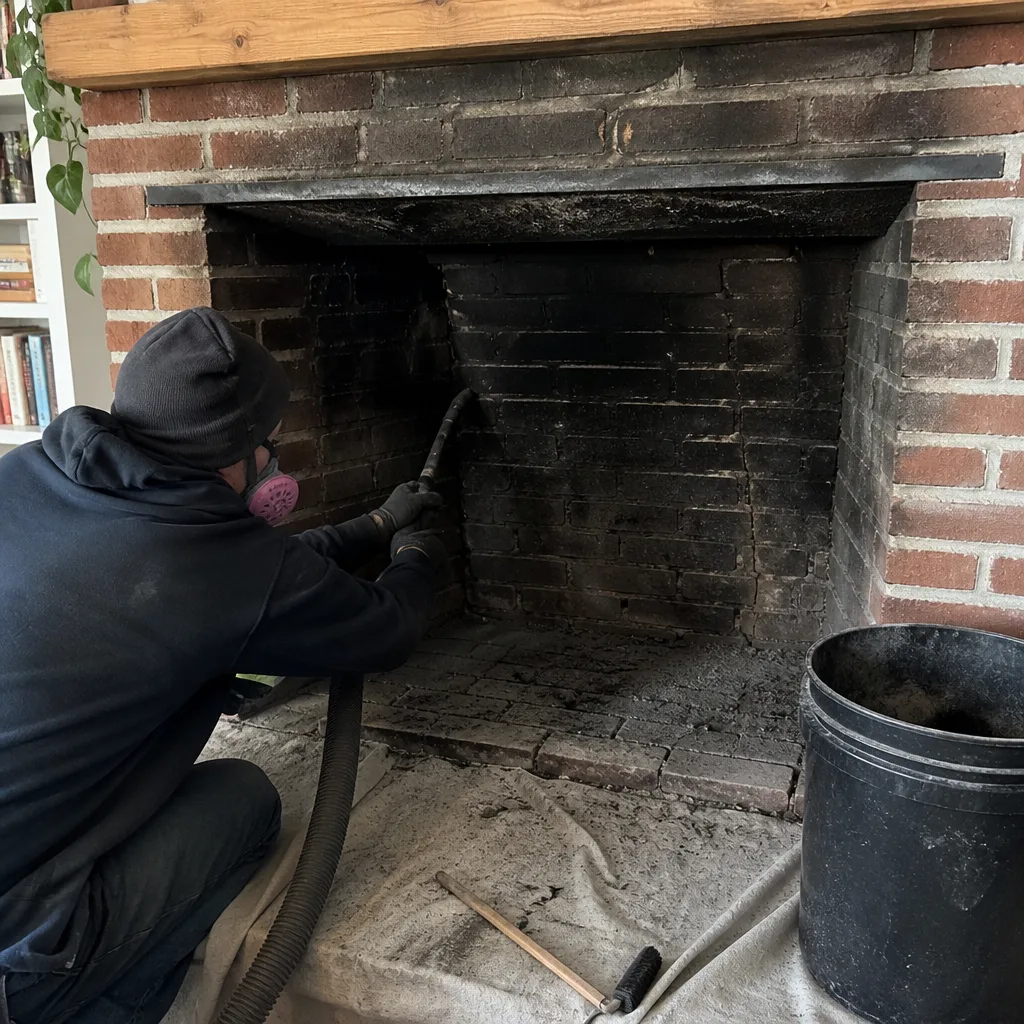 Before
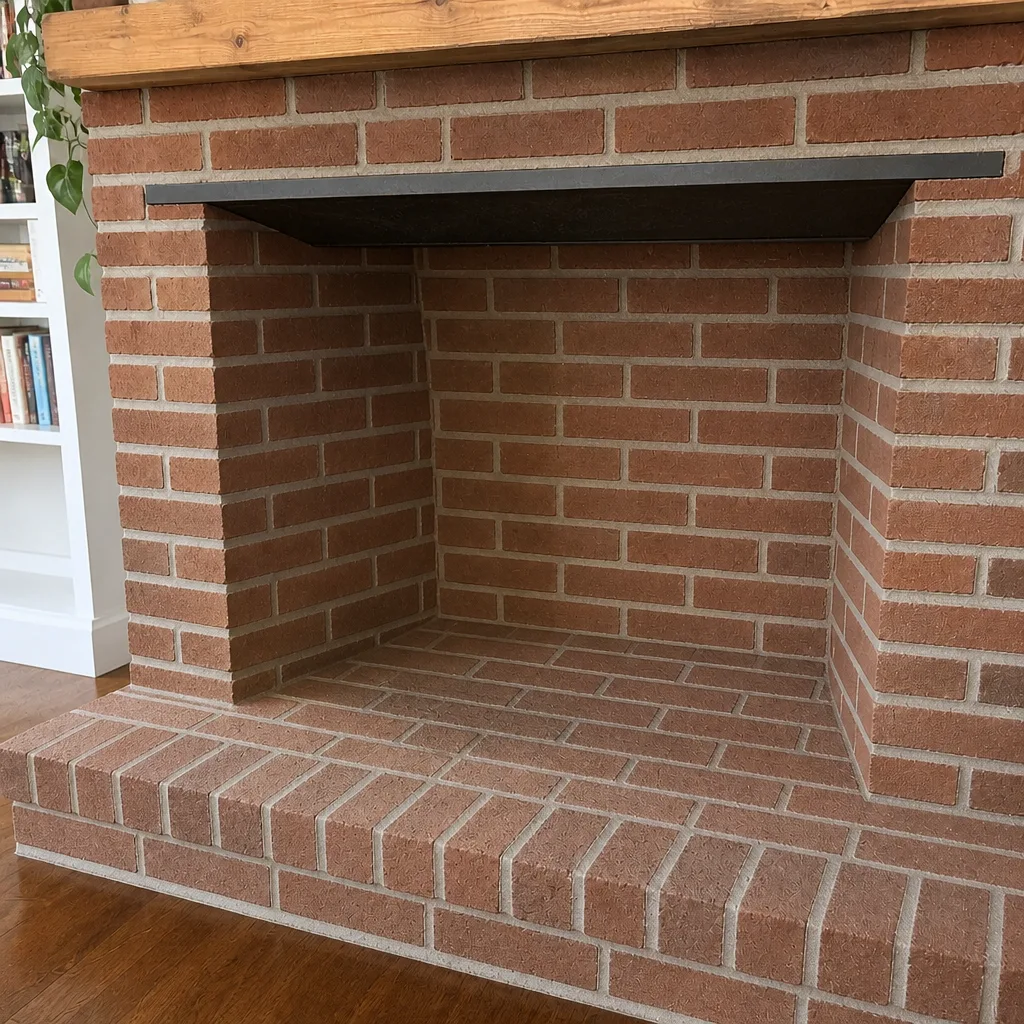 After
Common Chimney Repair Problems We See in West Pleasant View Homes
- Packed snow and debris in uncapped flues. After an upslope storm, wind drives snow and debris into any uncapped exterior flue. We routinely pull packed snow, debris, and animal nests from chimney tops on the older ranch homes along the canyon edge.
- Third-degree creosote glaze behind spalling mortar. The original clay-tile flues in these 1950s through 1970s ranches often carry a glazed creosote glaze that hides behind failing mortar joints. A routine visual check misses it, and that’s why the Level 2 inspection matters.
- Short exterior chimneys that won’t draft on calm nights. Foothill-adjacent homes often have chimneys too short for the house’s pressure zone. Smoke backs up, and homeowners treat the symptom, not the cause.
- Cracked crowns and spalling at the firebox. Freeze-thaw cycles and wind-driven snow do their worst on the crown, and the failure cascades down. Cracked crowns let water in and then the brick around the firebox starts spalling.
Wood Season, Creosote, and Burning Practice in West Pleasant View
Long heating seasons and supplemental wood burning are the reality for a lot of West Pleasant View homes, and that changes the maintenance math. Creosote accumulates faster when the fire runs low and slow for hours, and burning unseasoned wood makes it worse. Burning dry, well-seasoned wood and getting the fire up to a proper temperature at least part of each burn helps reduce buildup noticeably. It’s not a substitute for sweeping. It’s the honest guidance that reduces how often the flue needs it.
Third-degree creosote, the glazed, hard stuff, is the grade that matters most in a wood stove. It’s the fuel that makes a chimney fire dangerous, and it doesn’t scrape off in a routine brush sweep. A Level 2 inspection reveals it, and remediation is a real job. First-degree creosote is surface soot that sweeps off easily. Second-degree is crusty and brushes out with effort. Third-degree glazes and stays. Knowing which one you’re dealing with is the difference between routine maintenance and a safety issue, and we’ll show you which one is on your flue.
Pricing for Chimney Repair in West Pleasant View, CO
Typical repair pricing in West Pleasant View breaks down roughly like this. These are estimates, not quotes; the written estimate sets the final price after inspection.
| Service | Typical West Pleasant View range |
|---|---|
| Mortar repointing | $350 – $900 |
| Spalling brick repair | $500 – $1,400 |
| Chimney waterproofing | $400 – $800 |
| Flashing repair | $350 – $950 |
| HeatShield liner resurfacing | $800 – $2,000 |
| Partial chimney rebuild | $1,200 – $2,800 |
What moves the price: how high the work sits, whether scaffolding is needed, and how far the failure has spread. Tuckpointing in a wide area costs more than a handful of joints. Full chimney rebuilding is a separate order of magnitude. We quote in writing before any work starts, and the estimate is free. Call (877) 792-6835.
We Also Serve Cities Near West Pleasant View
Chimney repair around the canyon follows the same terrain and the same weather, so our service area reaches into West Pleasant View and out to Applewood, Golden, Lakewood, and Genesee. Same technicians, same materials, same accountability. If your chimney’s showing the signs we’ve described and you’re anywhere along the foothills-to-plains line, the conversation starts the same way.
Serving West Pleasant View, CO – Our Local Coverage Area
We serve West Pleasant View and nearby communities. Use the map below to see the area we cover. If you’re nearby, we can almost certainly help.
FAQs – Chimney Repair in West Pleasant View
The most likely cause is a short exterior chimney that can’t overcome the house’s negative pressure on a calm night. The fireback spills smoke because the stack isn’t creating enough draft, and the fix isn’t always cleaning. It’s evaluating chimney height, cap geometry, and liner configuration. Call (877) 792-6835 for an inspection that addresses the draft, not just the soot, and the estimate is free.
Annually at minimum, and closer to every cord burned than to the calendar. With West Pleasant View’s long heating season and heavy supplemental burning, creosote loads faster than in homes that light a fire a few times a month. If your stove is a primary heat source, plan on an annual Level 2 inspection and don’t wait for symptoms. Call (877) 792-6835 to book one.
Water getting into the brick, then freezing and expanding. The freeze-thaw cycles on canyon-edge ranches are relentless, and uncapped flues let wind-driven snow in. Once brick spalls it keeps absorbing more water unless the masonry is repointed, replaced where needed, and waterproofed. Call (877) 792-6835 for a free written estimate on the repair.
Sometimes yes, and we’ll tell you plainly when it can. A hairline crack with no water intrusion is different from a crown that’s pulling away and feeding the brick below. We inspect first, then tell you honestly what can safely wait and what shouldn’t. Call (877) 792-6835 and we’ll take a look before you decide.
First-degree is surface soot that brushes off easily. Third-degree is glazed, hard creosote that welds to the flue and doesn’t come off with a routine brush sweep. That’s the grade that fuels a dangerous chimney fire, and it hides behind spalling mortar joints in older flues. Call (877) 792-6835 to have your flue inspected and graded properly.
Get a Free Chimney Repair Estimate in West Pleasant View
If your chimney’s been giving you trouble – smoke on a calm night, crumbly mortar, spalling brick, or a crown that’s seen better days – the first step is an inspection that tells you what’s actually wrong. From there we quote in writing, use trade-grade materials, and handle the whole repair with one crew. Serving West Pleasant View and the towns along Clear Creek Canyon. Call (877) 792-6835. We answer 24/7. Fast dispatch from 7am to 7pm, Sunday through Friday.
Written by the team at Chimney Sweep Lakewood Pros.